L‘Aiglon represented the 15th episode of Series 4 of the BBC’s Sunday Night Theatre. In the initial five years of its airing, each production was broadcast on Sunday evenings and subsequently re-performed live the following Thursday. This practice was partly due to the technical constraints of the time and the theatrical foundation of early television drama.
Among the earliest collaborations between Rudolph Cartier, who directed L’Aiglon, and Nigel Kneale were produced for this series, including L’Aiglon itself.
The vast majority of the series’ run from 1950 to 1959, which consisted of 721 plays, is absent from television archives; it’s believed that only 27 of these plays still exist as telerecordings. Unfortunately, L’Aiglon is one of the plays that has been lost.
The Story
The story begins in the court of Vienna, Austria, where Count Franz von Prokesch-Ostenapoleon Franz, the Duke of Reichstadt (Peter Wyngarde) son of Napoleon I and Empress Marie-Louise (Eileen Peel), resides in a gilded exile. Affectionately referred to as L’Aiglon (The Eaglet), this delicate yet astute young prince is regarded less as royalty and more as a mere political pawn.
Franz harbors aspirations of returning to France as its emperor, yet his health is precarious. He devises a plan to escape from his ever-watchful guards, but his scheme is uncovered, and he is thwarted in his attempt to flee. He comes to the realization that he lacks the strength and courage to make the sacrifices required to emulate his father, Napoleon. Ultimately, he succumbs to pulmonary tuberculosis.
His grandfather, Emperor Franz I (Milton Rosmer), along with the iron-willed Austrian Chancellor, Prince Metternic (Andre Van Gysengham), maintains strict oversight over him. Metternich is resolute in his efforts to eradicate the boy’s French identity—compelling him to communicate in German and erasing his Bonapartist lineage—to thwart any possibility of his return to France to reclaim his father’s imperial throne.
Left: Peter as Count Franz von Prokesch-Ostenapoleon
In spite of the court’s oppressive indoctrination, Franz remains profoundly inspired by his father’s illustrious military legacy. He clandestinely studies Napoleon’s historic campaigns and longs to escape Austria to realize his destiny as the legitimate ruler of France.
He discovers enthusiastic supporters within his close circle, including his fervent cousin Countess Camerata (Margot Van der Burgh)and Séraphin Flambeau (Wilfred Lawson), a devoted former grenadier of Napoleon’s Grande Armée who has cleverly infiltrated the palace disguised as a French tailor. Together, they establish a covert network and devise an audacious escape plan.
During an extravagant masquerade ball at Schönbrunn Palace, the conspiracy is set into motion. Countess Camerata dons a military uniform identical to that of the Duke, serving as a clever decoy to divert the attention of Metternich’s overly vigilant guards.
Franz and Flambeau manage to slip into the night and ride towards the border. They reach the historic battleground of Wagram, renowned for being the site of one of Napoleon’s most significant military victories. As they stand on the moonlit plains, Franz is engulfed by a sense of tragic fervor, haunted by ghostly visions of the bloody battlefields and the resonances of his father’s illustrious past.
However, the romantic illusion is swiftly shattered. Metternich’s efficient secret police catch up with the fugitives before they can enter French territory. To evade the disgrace of capture and interrogation, the loyal Flambeau takes his own life right on the historic battlefield.
A shattered and defeated Franz is taken back to Vienna, his spirit utterly crushed. The physical strain of the escape worsens his existing tuberculosis. Weak, disheartened, and confined to his bed, the Eaglet quickly deteriorates. He passes away at the tragic age of twenty-one, ensnared by his unfulfilled aspirations. In a final act of political erasure, Metternich decrees that the prince be interred in an Austrian military uniform, thereby stripping him of his identity as a Bonaparte even in death.
Some Notes
L’Aiglon was written by Edmond Rostand who also wrote Cyrano De Bergerac.
Austrian born Rudolph Cartier also directed ‘The Dybbuk‘ (1952), in which Peter played Channon and‘Will Shakespeare – An Invention’(1953) – both with Peter in the lead role.
How to skewer online know-it-all’s in one easy lesson
Recently, my attention was drawn to a post about Peter on a Facebook group page called UK Nostalgia Vibes. While it started out reasonably civilised, it soon descended into the usual carnage with every clown and knuckle-dragger within earshot giving us the benefit of their professed ‘privileged knowledge’.
The following comes of courtesy of some faceless woman by the name of Gaynor Field, who regaled us with a tale that her “ex husband” spun to her and which she, clearly being of independent thought, greedily consumed and regurgitated for our delectation.
Right: From the original UK Nostalgia Vibe post.
Field: (Describing Peter): “Bent as a nine bob note. My ex husband and his workmates were working on a whole row of houses in Chelsea, can’t remember what it was called now, but Madonna had one, they had an underground car park, swimming pools in the basement, etc, and he (Peter?) would be outside every morning, cup of tea/coffee and fag in hand, wearing little white hot pants and staring at all the different tradesmen, “Morning boys”, he’d say, my ex said he made his skin crawl, this was in the late 80’s.
My Reply: I was with Peter for 30 years, right up to his death in 2018, and I can assure you that he wasn’t “as bent as a nine bob note” then!
The properties to which you refer were at Earl’s Terrace in Kensington, not Chelsea. The houses and flats there were completely refurbished in 1996, not in the late 80’s. I know that as a fact because I was living with Peter there at the time.
He did often wear shorts, but never “hot pants”, as he jogged every day – often twice day – and also played tennis. In this picture (left) you can see the type of shorts he wore. I bought two pairs for him myself. As anyone can see, these are everyday men’s sports shorts, NOT “hot pants”. And for the record, Peter quit smoking in 1979, so wouldn’t have had “a fag in his hand” either.
I remember very well the workmen being there as I spoke with them myself on occasion. I recall one of them telling us about his wife who had been a life-long Jason King fan. Peter and I would often make tea for them and take out biscuits. It’s desperately sad that this was construed by your “ex” as something more sinister (no good deed ever goes unpunished?!). I suggest that what your “ex” told you says far more about him than it ever could about my Peter. Perhaps your “ex” was secretly pissed because Peter showed no interest in him and so concocted this story in lieu of a full-on hissy fit(?) Either way, it makes my skin crawl to hear such nonsense!
Oh dear! I do hope that Gaynor wasn’t quite as gullible as she appeared here when her ex-hubby was spinning her a yarn about other topics!
I find that people like dear ol’ Gaynor, when challenged by someone who was actually there and knows what they’re talking about, will either slither back under the stone where they came from in the hope that no-one has noticed what a complete prick they’re made of themselves, or when they realise they’ve been skewered, they’ll resort to foul-mouth abuse and personal insults because they have nowhere else to go.
Gullible Gaynor’s Score’s On The Doors are:
Resorted to foul language and personal abuse when she realised she’d been skewered?
Quickly crawled back under the stone from whence she came
Was wracked with remorse at being so cowardly as to tell outrageous lies about someone who was no longer here to defend himself
X
✔
X
Here’s a few more corkers for your delectation…
Robert Watson: He (Peter) was just a little bit gay though.
Me: He wasn’t during the 30 year relationship I had with him. Or when he was in relationships with Dorinda Stevens, Vivien Leigh, Mary Ure, Anna Massey, Kay Shanton (model). Diana Dors, Elisabeth Skjorekjole (model), Sally Home, Nyree Dawn Porter, Lady Victoria Berkley… the list goes on. I suspect you never came within a 1,000 radius of him during his lifetime, OR anyone who knew him. Your spectacular insight is doubtless based on tabloid tittle-tattle, internet gossip and that font of all knowledge, Wikipedia.
Robert Watson:: ok (sic) calm down’
Me: You do know that penis enlargers are widely available online. You don’t have to attack people who are no longer here to defend themselves and lash out at women to feel like a man.
On realising that he’d had his chair kicked out from under him, Watson went to the only defence he had, misogyny. The “ok calm down” jibe, I assume, is internet parlance for, “Right! I’m taking my ball home now because I realise I’ve been skewered and have nowhere else to go!”. Another case of those knowing the least knowing it the loudest.
Watson’s Score’s On The Doors are:
Resorted to foul language and personal abuse when he realised he’d been skewered?
Quickly crawled back under the stone from whence he came
Was wracked with remorse at being so cowardly as to tell outrageous lies about someone who was no longer here to defend himself
✔
X
X
Knuckle-Dragger Score (out of five)
No Name: “I saw him (Peter) at a film fair. He was wearing a baseball cap that he’d written FCUK on the front of it in gold ink” (This post attracted the grand total of 4 laughing emojis, not counting Mr. No Name’s own).
The inane laughter ended abruptly when I said, “The cap was a gift from his 9-year old godson who had terminal cancer. Not so hilarious now!”
Mr. No-Names Score’s On The Doors are:
Resorted to foul language and personal abuse when he realised he’d been skewered?
Quickly crawled back under the stone from whence he came
Was wracked with remorse at being so cowardly as to tell outrageous lies about someone who was no longer here to defend himself
X
✔
X
Knuckle-Dragger Score (out of five)
George Bowlocks: Heartthrob. He was a joke!
Me: Really? He was one of the most respected actors of the British stage; won praise from all quarters, and was presented with some of the most coveted awards in international theatre and television. Out of interest, what have you achieved to afford you the luxury of sitting in judgement of others?
George Bowlocks: We thought he was hilarious when I was at school. A peacock.
Me: I’m sure he would’ve reciprocated given the opportunity.
George Bowlocks: That makes no sense. Do you mean he would have thought we were a peacock? Also, what are converted awards?
Me: No. He would’ve thought you were a joke, And for the record, the word is COVETED not CONVERTED. Perhaps if you and your mates had paid more attention when you was at school and spent less time poking fun at people you considered a “joke”, you may well have spotted that!
When he realised he’d painted him into a corner, poor ol’ George began blathering on about women “creaming their knickers” over Peter in the 1970’s. When he finally clocked that he was screaming abuse at someone who’d had a 30-year relationship with Peter as opposed to an hysterical fan, he vanished in a puff of smoke. I dare saythat charmer like this would’ve had to worry about women “creaming” their draws over him!
Bowlock’s Score’s On The Doors are:
Resorted to foul language and personal abuse when he realised he’d been skewered?
Quickly crawled back under the stone from whence he came
Was wracked with remorse at being so cowardly as to tell outrageous lies about someone who was no longer here to defend himself
✔
X
X
Knuckle-Dragger Score (out of five)
Price: I met him in the 70s and he was much more interested in my boyfriend than any of the women. He was positively rude to me.
Me::Genuinely, you’re the first person I’ve ever come across who claims that Peter was rude to them. He has only ever been described as charming, gentlemanly and kind. Perhaps he was having a bad day, or didn’t much like the company of certain people….
Price: possibly. I certainly didn’t like him. Maybe he thought I was in his way!
Me: How so – like you were sitting in his seat? Or blocking the corridor?
Lesley’s Score’s On The Doors are:
Resorted to foul language and personal abuse when she realised she’d been skewered?
Quickly crawled back under the stone from whence he came
Was wracked with remorse at being so cowardly as to tell outrageous lies about someone who was no longer here to defend himself
X
✔
X
Knuckle-Dragger Score (out of five)
Clearly, most of the above are just intellectually-challenged big-gobs who, rather than leave us just think they might be idiots, they can’t resist the temptation to post detritus like this and PROVE it! Inevitably, the subject of the Gloucester Bus Station incident in 1975 came around, which was quashed by the British Home Office in 2023. According to several all-knowing participants in this conversation, Peter was supposedly also arrested in Newcastle, Southampton, Portsmouth, Birmingham (see ‘ToTheHeartOf’ It’) and even Hyde Park Corner! Sweet Jesus! I’m surprised Peter found the time to do any acting!
It’s unlikely that any one of the above when challenged actually understood what was being said to them.there were some that were contrite when they realised that they’d been looking down the wrong of the wrong end of the telescope all these years. Others were damn right disgusting.
There were a few moments of hilarity, however. One chap claimed that Peter had lived at some castle in Northumberland (the name of which evades me) at some point or other in his life. This was news to me, and I said so. “Oh, yes,” this bloke continued. “He used to do public appearances up there. A friend of mine owns the place” He then promptly produced a screengrab of a post by his friend. Turns out said castle is a hotel, and that Peter had stayed there a couple of times when he was working at the Forum Billingham Theatre. Me: “So he DIDN’T “live” there!”
Needless to say, the original post was shared several times to other Facebook groups, which in turn drew out another wave of indolent muckrakers and halfwits who professed to be in the know. One of them stated in reference to a photo of Peter that had been posted, “As camp as Christmas”. And yet, as I pointed out, this supposed camp, effete man still managed to bed a harem of women, all of whom I named (see earlier in this post).“Well,” came the response from this oaf, “he may’ve been with them, but he still preferred his own type,” And so I asked him given the profound insight he professed to have, if he might care to provide the names of these men. Certainly, Peter’s friends who I’ve remained in contact with, not to mention me myself, would appreciate being enlightened by someone with such privileged insight. Despite giving him my email address so he could send this information without him having to suffer too much inconvenience, I’m yet to hear from him. No surprise there! As with all the characters mentioned here, there was not a single one of them who were able to put their money where their mouth is when required to do so.
There’s a psychological condition called the Dunning-Kruger Effect – some of you may’ve heard of it. Part of it explores how people with low ability and knowledge will often talk with faux authority about things they really know nothing about. I think that condition fits these people and scenarios aptly.
While Peter collected critical acclaim for his work, both domestically and internationally, the type of people who seem to delight in spreading misinformation and lies about him while sniggering and snorting from behind the safety of their computer screen, have probably achieved little (if anything) of note throughout their worthless existence. They appear to measure success by the number of laughing emojis they can collect. What a delight it is to see those inane grins wiped off their faces when they’re confronted with the truth.
😂😂😂
See the Open Letter that was sent to the admin of the UK Nostalgia Vibe, his reply and Wyngarde fans reaction here.
Two of my most bizarre encounters with the dazed and confused, came back in September 2021.They came courtesy of Fank and Margaret – both strangers to each other and yet both were spouting the same old cr*p!
Our first case concerns a 75-year-old gentleman whom we shall refer to as Bill, for that was his name. He claims that Peter is a “Pervert” because – to quote him – “He was convicted of Gross Indecency in 1975 inGloster (sic).”
While that may be so, such a conviction alone does not necessarily mean that someone is a “Pervert”. Therefore, I inquired of this rather confused old man what further evidence he possessed to substantiate his severe accusation.
“Well, he was also cautioned for the same offence in Birmingham. That makes him a perv,” he asserted with all the conviction of his own interlect. Really?! And from where did he obtain this information?
“It’s on Google.”
“And where, pray, did Google source it from?” I probed. Unsurprisingly, ol’ Bill was unable to provide an answer.
In reality, this particular tale originates from the well-known source, Wikipedia, which claims it was derived from a book titled, ‘Crime Through Time: The Black Museum’ (Mirage Publishing, 2003) authored by former convict, Stephen Richards.
However, Mr. Richards does not mention this alleged incident in his work, and inquiries I conducted with the West Midland Police (or West Midlands Constabulary, as they were known at the time of this… ahem... ‘incident’) while writing my book revealed that no arrest or caution was ever issued or recorded!
When I brought this to the attention of a now battered and bruised Bill, the accusatory bravado he’d previously displayed seemed to abandon him, and he became noticeably more remorseful:
“But it still says it on Google,” he repeated. Oh dear, oh dear!
This statement reminded me of my Granddad, who would often attempt to win any debate regarding politics or similar topics by asserting, “Well, it’s in the Daily Mirror, so it must be true!”
I felt compelled to clarify to Bill that Google is merely a search engine that will continue to churn out such nonsense as long as arrogant, misguided gossips like his good self persist in disseminating any piece of unverified drivel they encounter. I inquired how he would feel if some fool with too much idle time began to circulate any scandalous nonsense they found online about one of his loved ones. Needless to say the silly old sod had no response to that either.
The second portion of absurdity on the agenda came from a woman – I shall refer to her as ‘Margaret’ for the sake of convenience – who asserted that her brother had, at some point, lived “near” Peter in London. He had claimed to have seen our man in a his car – cruising around Kensington and Chelsea with his “toy boys.” When I questioned this, ‘Margaret’ abruptly shifted the identity of the alleged ‘eyewitness’ from her “brother” to herself: “The young men,” she insisted, “all appeared to be foreign.” How on earth could she possibly ascertain that? Were they all adorned in keffiyehs or silk kimonos while playing the Balalaika? And when exactly did this occur? “In the late 60s or early 70s. He [Peter] then went to ground.” Oh, really!
In the late 1960s and early 1970s, the sole vehicle owned by Peter was a two-seater Austin-Healey ‘Frogeye’. Therefore, unless he was reenacting a scene from the classic British game show, ‘It’s A Knockout’, I find it difficult to comprehend how many “foreign toy boys” could possibly fit into such a car?!
Left: An illustration of what Peter’s car likely resembled in the 1960s… at least according to dear old ‘Margaret’.
I presume that the point she intended to convey was that Peter frequently drove around the Royal Boroughs of London accompanied by a group of young, exotic men, which, in her perspective, unequivocally indicated that they were his romantic partners. Did this, in her view, provide a comprehensive understanding of Peter’s existence? I suppose I will never ascertain this, as ‘Margaret’ would abruptly ‘go to ground’ once she recognised that she had backed herself into a corner. Now, if I were to be uncharitable, I might speculate that her sudden withdrawal was related to her argument collapsing under scrutiny, but let us extend her the benefit of the doubt, shall we?
For the benefit of ‘Margaret’ if no one else – during the late 1960s and early 1970s, Peter was at the pinnacle of his fame. He was the highest-paid actor on British television and was performing to sold-out audiences in the West End of London. How this is interpreted as ‘going to ground’ remains a mystery, but it is likely that the old dear was becoming somewhat confused.
It appears that, over the years, humanity has diminished its capacity for independent thought – as demonstrated by individuals like ‘Bill’, who will read a statement from an anonymous source online and accept it as truth without question. Furthermore, they will not hesitate to replicate and disseminate it. It never seems to occur to people like him to investigate how the person who originally posted this information obtained it; were they directly involved in the event they’re discussing, or did they witness it firsthand? Did they have a personal relationship with Peter? Did they attend a court hearing in person, or do they possess privileged information such as court documents, witness statements, or transcripts? Given that 99.999% of the time the answer to such questions would be a definitive “No!”, what justification does ANYONE have to circulate scandalous rumours? Certainly, people like ‘Bill’ and ‘Margaret’ would not approach a random person on the street and accuse his or her spouse, sibling, child, nephew, niece, cousin, or friend was a “Pervert”. I suspect that ‘Bill’ would find himself with a broken nose if he attempted such a thing, which likely explains why he opts to make unfounded, outrageous claims about others while hiding behind a computer screen in the comfort of his own home!
Silly Billy’s Score’s On The Doors are:
Resorted to foul language and personal abuse when he realised he’d been skewered?
Quickly crawled back under the stone from whence he came
Was wracked with remorse at being so cowardly as to tell outrageous lies about someone who was no longer here to defend himself
X
✔
X
Knuckle-Dragger Score (out of five)
Margaret’s Score’s On The Doors are:
Resorted to foul language and personal abuse when she realised she’d been skewered?
Quickly crawled back under the stone from whence she came
Was wracked with remorse at being so cowardly as to tell outrageous lies about someone who was no longer here to defend himself
X
✔
X
Knuckle-Dragger Score (out of five)
Update: After contacting the website on which Bill had TWICE referred to Peter as a “Pervert”, I was assured of the following: “I can confirm that we have now removed that post and reported the person responsible to the web host.”
During the week beginning 31st August 2026, the admin of a Facebook group entitled, UK Nostalgia Vibe posted an item about Peter. What may’ve started out as an innocent point of interest soon, and predictably, turned into a free-for-all.
Like flies attracted to a freshly laid cowpat, every idiot in town seemed to believe it was their their civic duty to air their misguided opinion on Peter and his private life. Typically, this post was shared to other groups where, predicably, the same thing happened (the admin of one of these groups at least had the common decency to intervene and remove the post before it was further dragged into the cesspit by the human detritus who’d hijacked it).
There are certain rules and regulations set out by Facebook that ALL group admins must adhere to. Basically, as an administrator, you are responsible for what your members post and must act swiftly to remove any abusive and libellous comments made by their members. If you don’t, the kind of scenes that I personal was witness to are likely to get out of hand.
This is an open letter that was compiled with the blessing of some of Peter’s friends with whom I’ve remained in contact. It was sent to the admin of UK Nostalgia Vibe on Sunday 6th September 2026.. Whether they chose to read it, publish it or delete it, that’s ultimately there choice, but at least it’s been said.
TO:
All the dullards, knuckle-draggers, mindless morons, airheads, clowns, halfwits and ignoramuses who insist on posting poisonous lies and infantile innuendo about Peter Wyngarde on social media.
There appears to be just a handful of topics that you insist upon dredging up each and every time you happen to see Peter’s name online. These are (in no particular order)…
His arrest in 1975.
The alleged innumerable other arrests/cautions/convictions.
Peter’s supposed 10-year romantic relationship with Alan Bates
The ‘nickname’, Petunia Winegum which, it’s you insist, was “Well know within the acting profession.”.
The endless bizarre encounter, usually of the homosexual nature.
I: Peter was arrested in Gloucester in 1975. FACT. II: He was taken to Gloucester Police Station where a statement was prepared by the arresting officer. He refused to sign it as it did not represent what had actually taken place. III: He was given the opportunity to accept the charges there and then. This would have resulted in a fine and a criminal record, but the incident would’ve probably passed unnoticed by the gutter press. He declined because he wished to look his accusers in the eye across a court of law and be afforded the opportunity to give his version of events. IV: It was categorically stated in court by his solicitor, Laurence Keen, under oath that Peter was NOT “homosexual”. V: Photographs of the facilities where the arrest took place were presented to the court. They showed that all the doors were hanging off; cubical walls were in a state of collapse and with large holes in them, and none of the doors had locks on them. Mr. Keen asked: “How could any police officer say with 100% certainty what may or may not have to taken place here involving ANY member of the public, when the building is in such a shameful state of disrepair?” It was agreed by the Bench that the facilities were in an appalling state and should have been closed long since. Nevertheless, Peter was pronounced guilty. VI: In a statement to the press immediately afterwards, Mr. Keen said that Gloucester Constabulary had been “looking for a scapegoat to justify the inordinate amount of public money that had been sunk into policing this “poachers trap”. Peter was that scapegoat. VII: The conviction was latterly quashed by the Home Office as being “unproven”. This is a matter of public record.
N.B. It has been stated in the media and elsewhere that Peter pleaded guilty. HE DID NOT!
So, NO – Peter was not caught “bumming” or committing any of the other “lewd act” that has been attributed to him by some of you online.
2:
In 2012, Wikipedia claimed that, in 1974, Peter had been arrested and cautioned for “cottaging” in Kennedy Gardens, Birmingham. The individual responsible for posting this cited his source as a book entitled, ‘Crimes Through Time: The Black Museum’ by Stephen Richards (Mirage Publishing – 2003). However, no mention of such an incident appeared in that book.
When the conglomerate that runs the Peter Wyngarde ‘Biography’ on Wikipedia realised that this allegation was untrue, they removed it from their website, but by that juncture, the gannets at The (Daily) Mirror had seized upon it and rehashed it in more than one issue of their ‘paper. Given the symbiotic relationship that exists between the UK media and Wikipedia – i.e. lazy journalists relying on W.P. when writing articles rather than doing any proper research of their own. In turn, W.P. insist that the press are an irrefutable source – when the group that jealously guard the W.P. Peter Wyngarde ‘Biography’ saw the story republished by The Mirror, they immediately reuploaded it back onto their website.
When writing my book, ‘Peter Wyngarde: A Life Amongst Strangers‘ (2020), I contacted West Midlands Police (known as Birmingham City Police at the time this incident was alleged to have taken place) to enquire if they had any record of any such arrest or caution taking place. They did NOT! IT NEVER HAPPENED!
Since this lie was first published by Wikipedia in 2012, the story has taken on a life of its own. Over the years, innumerable places and incidents have been dreamed up by people online and spread by the incredulous halfwits that immediately accept everything they read is gospel. According to them, Peter was arrested, charged and/or convicted for importuning in places as far afield as Nottingham, Birmingham, Southampton, Portsmouth, Hyde Park Corner… the list goes on and on. NONE of them are true! In fact, when some of these incidents were said to have taken place, he wasn’t even in the country!
3:
According to author Donald Spoto’s 2007 book, ‘Otherwise Engaged – The Life of Alan Bates’ (Hutchinson – 2007), Peter and Bates moved into a flat in Earl’s Terrace, Kensington in 1956. This is NOT TRUE. Peter moved into the property ALONE in November 1958 (you can see the original tenancy agreement on our website here ).
At the time, Bates was appearing in a long-running play in New York, therefore could only have moved into the flat in the Spring of 1959 at the earliest, Indeed, he only appeared on the Electoral Roll as living there from 1960.
Between 1957 and 1959, Peter was living with his girlfriend, Ruby Talbot at 11, Newton Row, London (again, a matter of public record).
Between 1958 and 1961, Peter was in a relationship with Vivien Leigh, with whom he appeared in the play, ‘Duel of Angels’, both in the West End and on Broadway. In 1962, Bates went to live in America with Rock Hudson for two years. In 1965, he bought his own house at 122, Hamilton Terrace, St. John’s Wood, so moved out of the flat in Earls Terrace. Rather than the two men “living together” for 10-years, it was more like 6 years, and then rarely at the same time (both worked abroad during that time and were engaged in long running theatrical tours)!
At the time, it was not unusual for jobbing actors to share accommodation to help keep their expenditure down while working in London. Indeed, Alan Bates also shared flats with Peter O’Toole, Richard Briars, Keith Baxter and Brian Bedford. I have never read any salacious gossip online about any of the above.
4:
The supposed “nickname” – ‘Petunia Winegum’ which, it’s claimed (again by Donald Spoto) had been widely used by others in the film, TV and theatre industries since the 1950’s, Again, this is wholly inaccurate. The name was coined by actor, Roy Kinnear (who himself had once shared a flat with Alan Bates), while he and Peter were filming different episodes of The Avengers at Elstree Studios in the 1960’s (Kinnear, ‘The See-Through Man’ and Peter, ‘Epic’). This was confirmed by Dame Diana Rigg in an interview in the 1980’s, so it couldn’t possibly have been “widely used” in the 1950’s.
The name was latterly used by The Two Ronnies in a sketch in the early 1970’s.
5:
Peter was NOT homosexual.
His first girlfriend’s name was Violet la Perna (there is a photograph of them together in my book).
For several years, he dated a young actress while in Rep at Richmond theatre in the 1950’s called Pamala Galloway.
He married to the actress, Dorinda Stevens. The marriage lasted over 5-years. He then moved in with his next girlfriend, Ruby Talbot, at 11, Newton Row, London.
He had a 5-year relationship with Vivien Leigh. He also had relationships with Mary Ure, Anna Massey, Diana Dors and Nyree Dawn Porter, in addition to models, Elisabeth Skjortekjole and Kay Shanton. There were several ladies outside of the acting profession.
Despite me challenging many of you who have made statement concerning Peter’s sexuality, not a single one of you has been able to produce a single scrap of evidence to substantiate what you’ve been shouting your mouth off about. Despite everything that’s been said, I still believe in the kind of fairness and respect that you have never once afforded to Peter, that’s why I’ve repeatedly offered you the opportunity to produce what it is that you base your assertions concerning Peter’s alleged relationships with men (beyond what you’ve read in the gutter press and on social media forums, of course). I’ve said many times that both I and those friends of Peter’s with whom I’ve remained in contact, would very much appreciate you enlightening us as to your professed privileged insight.
In almost every instance, you have been surprised – even shocked – when your misguided assertions have been challenged by someone who actually knew Peter. In these instances, you have either slithered back under the stone from where you came in the vain hope that no one has noticed what a fool you’ve made of yourself, or you’ll make a last-ditched attempt to save face by screaming foul-mouth obscenities and personal insults. In view of the arrest in 1975, you appear to believe that you now have permission to say whatever you damn well please about Peter because, to your mind at least, he deserves it. Your vitriol is born out of decades of misinformation and crass, online gossip which you yourselves have eagerly lapped up and repeated. If any one of you had so much of an ounce of sense, not to mention an ounce of integrity, you would at least make rudimentary enquires about the legitimacy of what you’ve read before scurrying off to repeat it.
Have you any idea what it’s like for someone like me who had a 30-year relationship with Peter; who loved and still mourns him, to read this vile rubbish? Probably not, because where there’s no sense there’s no feeling! Just try to imagine how you might feel if you were to read similar wild allegations about one of your loved ones!
I’m certain that there’s not one amongst you who would have had the guts to look Peter in the eye when he was alive and say the kind of things you’ve been spouting online, but then cowards prefer to cower behind a computer screen where there’s no chance of them being held accountable for what they say. I do wonder how you’re able to face your own families when you’ve been systematically posting such filth about someone who can no longer defend himself on a public forum. I mean, how do you advise your children and grandchildren on moral values and how they should behave towards others?
Peter never knowingly hurt a living soul. As a child he fought to survive for five years in a Japanese Internment Camp; suffering disease, torture and malnutrition. While still battling Malaria and the broken bones in his feet inflicted by Japanese guards, and no more than a child himself, he was left to take care of his two younger siblings, before pulling himself up by his bootstraps to reach Broadway and the West End. I’ll wager that the vast majority of you have achieved little or nothing in your own miserable existence, so mocking a dead man and spreading spurious gossip is the only way you’re able to get yourself noticed and make yourself feel important. While Peter received worldwide acclaim for his work and won the approval of audiences and critics alike, you appear to measure success by how many laughing emojis you’re awarded by the other wastrels that surround you – all at someone else’s expense.
Even for those of you who can read, the likelihood of what I’ve said here actually registering with you is probably next to zero – not least because you need at least a single brain cell to experience empathy or to show understanding. Unlike you, I’m not a vindictive person, so I’ll just say that I hope the nefarious creatures you associate with, and those whose approval you seek, are a little less vitriolic about your loved ones when they pass. My hopes aren’t high, since those who dish it out are seldom able to take it!
Tina Wyngarde-Hopkins and friends of Peter Wyngarde – 6th September, 2026
All the dullards, knuckle-draggers, mindless morons, airheads, clowns, halfwits and ignoramuses who insist on posting poisonous lies and infantile innuendo about Peter Wyngarde on social media.
There appears to be just a handful of topics that you insist upon dredging up each and every time you happen to see Peter’s name online. These are (in no particular order)…
His arrest in 1975.
The alleged innumerable other arrests/cautions/convictions.
Peter’s supposed 10-year romantic relationship with Alan Bates
The ‘nickname’, Petunia Winegum which, it’s you insist, was “Well know within the acting profession.”.
The endless bizarre encounter, usually of the homosexual nature.
I: Peter was arrested in Gloucester in 1975. Fact. II: He was taken to Gloucester Police Station where a statement was prepared by the arresting officer. He refused to sign it as it did not represent what had actually happened. III: He was given the opportunity to accept the charges there and then. This would have resulted in a fine and a criminal record, but the incident would’ve probably passed unnoticed by the gutter press. He declined because he wished to look his accusers in the eye across a court of law and be afforded the opportunity to give his version of events. IV: It was categorically stated in court by his solicitor, Laurence Keen, under oath that Peter was NOT “homosexual”. V: Photographs of the facilities where this arrest took place were presented to the court. They showed that all the doors were hanging off; cubical walls were in a state of collapse and with large holes in them, and none of the doors had locks on them. Mr. Keen asked: “How could any police officer say with 100% certainty what may or may not have to taken place here by ANY member of the public, when the building is in such a shameful state of disrepair?” It was agreed by the Bench that the facilities were in an appalling state and should have been closed long since. Nevertheless, Peter was pronounced guilty. VI: In a statement to the press immediately afterwards, Mr. Keen said that Gloucester Constabulary had been “looking for a scapegoat to justify the inordinate amount of public money that had been sunk into policing this “poachers trap”. Peter was that scapegoat. VII: The conviction was latterly quashed by the Home Office as being “unproven”. This is a matter of public record.
N.B. It has been stated in the media and elsewhere that Peter pleased guilty. HE DID NOT!
So, NO – Peter was not caught “bumming” or committing any of the other “lewd act” that have been attributed to him by idiots online.
2:
In 2012, Wikipedia claimed that, in 1974, Peter had been arrested and cautioned for “cottaging” in Kennedy Gardens, Birmingham. The individual responsible for posting this cited his source as a book entitled, ‘Crimes Through Time: The Black Museum’ by Stephen Richards (Mirage Publishing – 2003). However, no mention of such an incident appeared in that book.
When the conglomerate that runs the Peter Wyngarde ‘Biography’ on Wikipedia realised that this allegation was untrue, they removed it from their website, but by that juncture, the gannets at The (Daily) Mirror had seized upon it and rehashed it in more than one issue of their ‘paper. Given the symbiotic relationship that exists between the UK media and Wikipedia – i.e. lazy journalists relying on W.P. when writing articles rather than doing any proper research of their own while and, in turn, W.P. insist that the press are an irrefutable source – when the group that jealously guard the W.P. Peter Wyngarde ‘Biography’ saw the story republished by The Mirror, they immediately reuploaded it back onto their website.
When writing my book, ‘Peter Wyngarde: A Life Amongst Strangers‘ (2020), I contacted West Midlands Police (known as Birmingham City Police at the time this incident was alleged to have taken place) to enquire if they had any record of any such arrest or caution taking place. They did NOT! IT NEVER HAPPENED!
Since this lie was first published by Wikipedia in 2012, the story has taken on a life of its own.Over the years, innumerable places and incidents have been dreamed up by idiots online and spread by the incredulous halfwits that immediately accept everything they read online is gospel. According to them, Peter was arrested, charged and/or convicted for importuning in places as far afield as Nottingham, Birmingham, Southampton, Portsmouth, Hyde Park Corner… the list goes on and on. NONE of them are true! In fact, when some of these incidents were said to have taken place, he wasn’t even in the country!
3:
According to author Donald Spoto’s 2007 book, ‘Otherwise Engaged – The Life of Alan Bates’ (Hutchinson – 2007), Peter and Bates moved into a flat in Earl’s Terrace, Kensington in 1956. This is NOT TRUE. Peter moved into the property ALONE in November 1958 (you can see the original tenancy agreement on our website here ).
At the time, Bates was appearing in a long-running play in New York, therefore could only have moved into the flat in the Spring of 1959 at the earliest, Indeed, he only appears on the Electoral Roll as living there from 1960. Between 1957 and 1959, Peter was living with his girlfriend, Ruby Talbot at 11, Newton Row, London (again, a matter of public record).
Between 1958 and 1961, Peter was in a relationship with Vivien Leigh, with whom he appeared the play, ‘Duel of Angels’, both in the West End and on Broadway. In 1962, Bates went to live in America with Rock Hudson for two years. In 1965, he bought his own house at 122, Hamilton Terrace, St. John’s Wood, so moved out of the flat in Earls Terrace. Rather than the two men “living together” for 10-years, it was more like 6 years, and then rarely at the same time (both worked abroad during that time and were engaged in long running theatrical tours)!
At the time, it was not unusual for jobbing actors to share accommodation to help keep their expenditure down while working in London. Indeed, Alan Bates also shared flats with Peter O’Toole, Richard Briars, Keith Baxter and Brian Bedford.
4:
The supposed “nickname” – ‘Petunia Winegum’ which, it’s claimed (again by Donald Spoto) had been widely used by others in the film, TV and theatre industries since the 1950’s, Again, this is wholly inaccurate. The name was coined by actor, Roy Kinnear (who himself had once shared a flat with Alan Bates), while he and Peter were filming different episodes of The Avengers at Elstree Studios in the 1960’s (Kinnear, ‘The See-Through Man’ and Peter, ‘Epic’). This was confirmed by Dame Diana Rigg in an interview in the 1980’s, so it couldn’t possibly have been “widely used” in the 1950’s.
The name was latterly used by The Two Ronnies in a sketch in the early 1970’s.
5:
Peter was NOT homosexual.
His first girlfriend’s name was Violet la Perna (there is a photograph of them together in my book).
For several years, he dated a young actress while in Rep at Richmond theatre in the 1950’s called Pamala Galloway.
He married to the actress, Dorinda Stevens The marriage lasted 6-years. He then moved in with his next girlfriend, Ruby Talbot, at 11, Newton Row, London (a matter of public record).
He had a 5-year relationship with Vivien Leigh. He also had relationships with Mary Ure, Anna Massey, Diana Dors and Nyree Dawn Porter, in addition to models, Elisabeth Skjortekjole and Kay Shanton. There were several ladies outside of the acting profession.
Despite me challenging many of you who have made statement concerning Peter’s sexuality, not a single one of you has been able to produce a single scrap of evidence to substantiate what you’ve been shouting your mouth off about. Despite everything that’s been said, I still believe in the kind of fairness and respect that you have never once afforded to Peter, that’s why I’ve repeatedly offered you the opportunity to produce what it is you base your assertions concerning Peter’s alleged relationships with men (beyond what you’ve read in the gutter press and on social media forums, of course).I’ve said many times that both I and those friends of Peter’s with whom I’ve remained in contact, would very much appreciate you enlightening us as to your professed privileged insight.
In almost every instance, you have been surprised – even shocked – when your misguided assertions have been challenged by someone who actually knew Peter. In these instances, you have either slithered back under the stone from where you came in the vain hope that no one has noticed what a fool you’ve made of yourself, or you’ll make a last-ditched attempt to save face by screaming foul-mouth obscenities and personal insults.In view of the arrest in 1975, you appear to believe that you now have permission to say whatever you damn well please about Peter because, to your mind at least, he deserves it.Your vitriol is born out of decades of misinformation and crass, online gossip which you yourselves have eagerly lapped up and repeated. If any one of you had so much of an ounce of sense, not to mention an ounce of integrity, you would at least make rudimentary enquires about the legitimacy of what you’ve read before scurrying off to repeat it.
Have you any idea what it’s like for someone like me who had a 30-year relationship with Peter; who loved and still mourns him, to read this vile rubbish? Probably not, because where there’s no sense there’s no feeling! Just try to imagine how you might feel if you were to read similar wild allegations about one of your loved ones!
I’m certain that there’s not one amongst you who would have had the guts to look Peter in the eye when he was alive and say the kind of things you’ve been spouting online, but then cowards prefer to cower behind a computer screen where there’s no chance of them being held accountable for what they say.I do wonder how you’re able to face your own families when you’ve been systematically posting such filth about someone who can no longer defend himself on a public forum. I mean, how do you advise your children and grandchildren on ethical values and how they should behave towards others?
Peter never knowingly hurt a living soul. As a child he fought to survive for five years in a Japanese Internment Camp; suffering disease, torture and malnutrition. While still battling Malaria and the broken bones in his feet inflicted by Japanese guards, and no more than a child himself, he was left to take care of his two younger siblings, before pulling himself up by his bootstraps to reach Broadway and the West End. I’ll wager that the vast majority of you have achieved little or nothing in your own miserable existence, so mocking a dead man and spreading spurious gossip is the only way you’re able to get yourself noticed and make yourself feel important. While Peter received worldwide acclaim for his work and won the approval of audiences and critics alike, you appear to measure success by how many laughing emojis you’re awarded by the other wastrels that surround you – all at someone else’s expense.
Even for those of you who can read, the likelihood of what I’ve said here actually registering with you is probably next to zero – not least because you need at least a single brain cell to experience empathy or to show understanding. Unlike you, I’m not a vindictive person, so I’ll just say that I hope the nefarious creatures you associate with, and those whose approval you seek, are a little less vitriolic about your loved ones when they pass. My hopes aren’t high, since those who dish it out are seldom able to take it!
Tina Wyngarde-Hopkins and friends of Peter Wyngarde – 6th September, 2026
Response From UK Nostalgia Vibe
Saturday, 11th September, 2026
I was quite taken aback that an innocent post about a 1970s actor would result in the publication of an open letter Couple of things for context:
1) Facebook is a wild west. I neither defend nor promote any of the views of our audience – the comment section is an open forum. The comments about PW are no more or less positive/negative in my opinion than in any of the other posts we put out. People can be mean and people can be sweet.
Hence, the best I can do is provide context, and do my best not to promote falsehoods
I’m not able to publish your open letter. But I may write another FB post and link to your letter.
I appreciate you contacting us and if there are any ways we can help, let me know.
Regards
(No signature’ was provided on this occasion)
Reply Tina Wyngarde-Hopkins
Thank you for getting back to me.
My letter wasn’t aimed at you personally or the original post – only at some of the idiots that latched on to it. What was being said on there in some instances was utterly appalling. I genuinely did wonder if anyone was going to step in and say, “Enough’s enough!” Sadly, that never happened.
I run a Fecebook group myself, which is part of the Official Peter Wyngarde Appreciation Society. We’ve had our moments with the moronic element that frequents social media, but I’ve learned over the years that if you give such types an inch, they’ll take a mile. I now run a ‘One strike and you’re out’ policy, and thankfully we seem to have rid ourselves of the type of lowlifes that I witnessed last week.
I’ve seen all the articles in the press about Peter (thank you for the link) – all written by people who never came within a country mile of him or anyone he knew. There’s no “mystery” about him. My book, ‘Peter Wyngarde: A Life Amongst Strangers’ was published in 2020 and became an international best seller, and our website has more information on it than on any other actor or musician on the planet but, alas, journalists appear too lazy to conduct any proper research these days. They’d rather sit with their feet up on their desk and rely on Wikipedia instead for the ‘facts’.
I wrote the book in the hope it would dispel the rubbish written about Peter online. Sadly, some people are so credulous that they’ll believe anything they read without enquiry, and spread it without a moment’s hesitation – hence the type of scenes witnessed last week.
As you may or may not have noticed, I did challenge many of them* – something I’m sure they didn’t expect. They responded one of two ways: either they slithered back under the stone they’d come from, or resorted to using foul language and hurling abuse (a sure sign they had nowhere else to go). Whichever, none of them could muster anything above a gaseous whimper when they realised they’d been skewered.
As I said when I contacted you, some of Peter’s family and friends were prepared to report those responses to your post to Meta – not least because of the homophobic and misogynistic content of some of them – but I asked them not to in lieu of any response I might receive from you.
I’ll pass on your message to them. I’ve since published the Letter on our website at www.peterwyngarde.uk, to which there has been a huge response. I’ll add the emails and comments received in due course Thank you anyway for taking the time to reply. It may be just a well that you didn’t publish my letter as I suspect few of those involved in this horrendous episode would have the intelligence to understand what was being said.
Thanks for your considered response. I know that none of this was directed personally.I do beg to differ however about the ‘mystery’ element however. I have a spreadsheet with around 800 names of celebs which I use for research and possible content ideas for the FB page
PW is, if not at the top of the list, is certainly in the top 3, with regards to trying to find a verifiable consensus about who a particular person is.
I realise you run a fan-site but the very nature that it’s a fan-site means it’s not an objective source – ie opinions there are only ever going to get written by friends, not enemies! Yes, there are biographies, and there are hagiographies too. Most of the time, ‘facts’ are easily cross-referenced across multiple sources. This is not the case with Peter.
I’m making no judgements, merely observations. And to truthful, I actually love the mystery – even the fact you took Peter’s name adds intrigue to the whole story. What happened, in my view, in this Facebook post, is a reflection of all of this. ie ‘facts’ not adding up, and in response, some folks parroting half-truths, perhaps whole-truths, but without any real certainty of either.
As I mentioned in the previous message, Facebook is a cess-pit. But the comments about PW were, in my opinion, almost on the level of benign – ie just random folk chatting as they do down the pub. I didn’t sense any vitriol, hatred, nothing of that sort. Believe me, I’ve seen 1000x worse things posted in public on this platform
So, I understand you feel protective. But honestly, I see this as a reality check. People talk, people gossip, people speculate, some people are nasty. This is the world we live in – get a crash helmet, as they say.
I may or may not write about Peter in the future again. But TBH, I don’t have much appetite for it, despite being genuinely intrigued by what seems a fascinating life. Reason being, I feel his life was not an open book (and again I make no judgement) and I wouldn’t want to publish anything that I could not back up with solid citations
Once again thanks for you civility – it’s a rare thing on this platform! I wish you all the best
Jeff
Fans Comments
Well, I do think a signature, owning what you’ve written, would be expected.
I’m not sure the word ‘innocent’ applies to comments made. Each is made with intent, good or bad, which can also be either in the eye of any reader.
I don’t think comments are put out to solicit the innocent. I think they are there to stimulate reaction, and sometimes the more extreme the better; such is the nature of some parts of social media.
I do think those posting forget that a well-known personality or star are only public property up to a point. They are also feeling human beings who have/had people who are close to them. Just because that person is no longer with us does not mean they don’t have someone still living who knew them, was close to them and can be hurt by careless unjust talk.
So ‘man of mystery’ may fit his acting persona, esp in some roles, as befitted many stars of old. They were even created so.
Peter Wyngarde seems to me to be one of the most genuine people outside of his roles, and not a total man of mystery when you consider Tina knew him well for at least 30+ years and wrote an excellently detailed biography with Peter’s input along the way.
The person who wrote this letter about Peter being mysterious seems to have taken their misinformation from newspapers. I’m surprised they haven’t heard of Tina’s book, but they certainly can’t have read it. Time they did. I’ll say just one thing in this person’s favour. They replied. Still should have signed the letter…
Jane Ramsden
The UK Nostalgia UK admin describes the exchanges generated by his post as being akin to a group of people chatting over a pint in the pub. Utter RUBBISH! A private conversation between friends in a bar is confined to those within that group. The discussion in question, if it can be described as such, took place on an open forum which was likely, and did, draw out an increasing number of illiterate morons to what became a feeding frenzy.
I was under the impression that Facebook group admins have a duty to monitor what is posted by their members and to remove any kind of profanity and personal abuse. Why was this not done? Why did ‘Jeff’ sit idly by and allow this to go on? If I was Tina, I’d have encouraged Peter’s old friends report it to Meta.
I’ve been a member of the Official Peter Wyngarde Appreciation Society Facebook group for over 10 years, and during that it’s always been a really friendly place where no one has to resort to screaming insults or running other people down.
‘Jeff’ is right about one thing. Social media is a cesspit and the reason it is so is because admins of social media groups don’t do enough to ensure that those people who are unable to behave like reasonable human beings are kicked out. They’re the ones that are turning the internet into a place where normal, decent people no longer wish to venture.
I suspect that if ‘Jeff’ doesn’t get a grip and step in when these things start getting out of hand as they did last weekend {5/9/26], someone will end reporting his group to Facebook/Meta. I don’t know how long UK Nostalgia Vibe has been online, but it would be a shame if F.B. did end up removing it from their platform.
Kudos to Tina for standing up to these idiots
J. Makin
Sounds a bit of a cop out to me…John Church
I don’t know why he bothered writing it and it adds insult to injury. Justin Davidson
Jeff appeared to be put out that someone should contact him to set him straight on this. It shouldn’t have to take a third party to point out his obligations as a group admin to keep an orderly ship.
I agree with J. Makin [see above]. Jeff’s assertion that what went on was the social media version of some mates talking in a pub. Oh, please! It’s not the same at all! A conversation in a pub is usually private, and if it happens to get a bit rowdy and ends up dragging others into it, any landlord worth his salt would intervene, either by telling the participants to keep it civil or leave. THAT’S what Jeff should have done, but he chose not to It’s this kind of inaction by those who can that has turned social media is such a sh*thole.
And what in Christ’s name was someone who acknowledges that social media is a cesspit doing inviting comment by posting something about the sexuality of someone he didn’t know, had never met and is no longer here to defend himself? It genuinely beggers belief.
The plot involves an unusual and cynical love triangle that is strictly governed by social conventions.
Leone Gala (Anthony Quayle) is a detached and highly intellectual individual who has distanced himself from his volatile wife, Silia (Gwen Watford). Overwhelmed by a sense of entrapment and profoundly annoyed by her husband’s complete apathy, so seeks to shatter his icy demeanor and takes Guido Venanzi (Peter Wyngarde) as her lover.
Stila sees her chance to when, one evening, a band of drunken soldiers inadvertently burst into her apartment, believing it to be a brothel. Their ringleader is a well-known swordsman in the area. She perceives a chance to exploit “the rules of the game” – the stringent codes of bourgeois honour – to compel her husband into a lethal duel, with the hope that he will be slain. Leone calmly agrees to extend the challenge, but applies the same rules as Stila with devises a brilliant and devastating counter-strategy by choosing Guido as his Second.
Guido attempts to dissuade Leone from engaging in the perilous duel, but Leone remains resolute. Frustrated and constrained by the rigid formalities of the event, Guido escalates the duel’s conditions to demonstrate his own honour, inadvertently sealing his own fate.
As the duel commences, Leone strategically steps aside, adhering to the technicalities and “rules of the game” that he has cleverly manipulated. Since Guido established the stringent terms and is serving as the substitute, he is compelled to take Leone’s place on the field, resulting in his death.
Leone is completely exonerated under the established laws of society and honour, having skillfully distanced himself while employing those same rules to eliminate his adversary.
In Retrospect
“The Rules of the Game” aligns closely with the modern European tradition of incisive reflections on the complexities of gender relations. It is also a quintessential Pirandello piece, illustrating characters ensnared in the ambiguous space between reality and appearance.
When Leone Gala remarks to Guido, who may or may not be the lover of his wife Silia (though he is certainly a very attentive visitor), “You only see her the way she seems,” this observation applies to all the characters. Guido, who presents himself as a man of action, remains passive when a group of drunken soldiers intrudes and assaults Silia. Leone, who is deeply engrossed in philosophical contemplation, ultimately reveals himself to be the most cunning and pragmatic survivor of the group. Silia, despite her dramatic temperament, sexual magnetism, and influence over men, admits to her dissatisfaction with her identity as a woman – except when it involves inflicting pain on men.
Silia’s discontent partly stems from her confinement within the concept of ‘Womanliness,’ where she embodies the roles of temptress, ghost, wife, mistress, spoiled child, and matriarch – each shaped by male perceptions, akin to the scrutinizing gaze of a libertine. She represents a series of locked doors – even to herself—similar to many of Pirandello’s other characters, for whom the idea of identity is both profound and elusive.
The narrative is set in the 1930s, a period marked by the rise of fascism in Italy, and the characters’ dialectical confusions further reflect a social and political framework that is faltering and losing its rationale for existence.
Leone, who has the majority of the definitive lines, frequently emphasizes the significance of adhering to one’s own “concept,” asserting that his is one of ethereal renunciation. (At one point, he tells Silia, “To save you, I had to renounce those emotions of love and hate. I had to detach myself.”) However, his renunciation of “the judgments and entanglements of a ridiculous world” is paradoxically intertwined with his uncritical acceptance of it, as he proclaims to others, “I agree to everything.”
Leone appears to have a response for every inquiry, and those around him seem eager to contemplate his insights. While “Rules of the Game” may not serve as a purely theatrical exploration of human mystery like “Six Characters in Search of an Author,” it comfortably resides within the Continental tradition, where stimulating dialogue can often substitute for action.
Pirandello’s unexpected conclusion, in which Leone’s self-interest shifts from enlightened to malevolent, serves as a stark warning regarding the destruction that self-centered individuals can inflict without experiencing any repercussions themselves.
Produced by Robert Maugham at the Yvonne Arnaud Theatre, Guilford. September-October, 1966
Character: Hugo Barrett
The story is set in Chelsea, London. Present day.
The Story
Tony Williams (Barry Justice), a prosperous resident of London, claims to be involved in a project aimed at constructing cities in Brazil. He moves into his newly acquired townhouse in Chelsea and employs Hugo Barrett (Peter Wyngarde) as his manservant. Although Tony possesses wealth, he lacks resolve, discipline, and a true understanding of his own life, a fact that Barrett perceives within moments of their introduction.
Barrett seems to adapt effortlessly to his new role, and a subtle bond forms between him and Tony, while they maintain their respective social positions. However, the dynamics begin to change when Tony’s girlfriend, Sally Grant (Jennifer Daniel), meets Barrett, who she dislikes immediately..She grows suspicious of him and urges her fiancé to terminate Barrett’s employment, but he declines. This causes tension between the couple, and while they argue and their relationship begins to fall apart, Barrett is always in the background.I
In the meantime, Barrett organizes the household with a level of efficiency that flatters Tony, simultaneously fostering his dependence on Barrett.
Barrett presents Vera to the household as his sister, persuading Tony that a maid is necessary to help with housework. Tony accepts this explanation that they are siblings without question. Vera, being young and alluring, quickly initiates a calculated seduction of Tony. When the couple return from a foreign holiday unexpectedly and find Barret and Vera in bed together, Tony furiously dismisses the pair of them – but not before Vera makes known that she has been sleeping with Tony behind Sally’s back. Sally reacts by breaking of her engagement to Tony and leaves.
By this stage, Tony has grown dependent on both Barrett and Vera. He starts to drink excessively, a habit worsened by Sally’s refusal to take his calls. One day, Tony runs into Barrett at a pub, where Barrett weaves a story about Vera having deceived them both. He implores Tony to reinstate him as his manservant, and Tony agrees.
Once back in his old position, Barrett starts to drink openly and to introduces unsavory characters into the home. He speaks to Tony with a casual disrespect, occasionally showing little regard for politeness. Tony,, succumbing to alcohol and lethargy, endures every humiliation.
Slowly, the two characters begin to reverse their roles, with Barrett assuming greater control while Tony regresses into a state of infantilism. Barrett also subtly brings Vera back into the household. Sally arrives, attempting to persuade Tony to return to her. She discovers him completely reliant on Barrett, who provides him with alcohol and prostitutes. As she navigates through the grim scene, she unexpectedly kisses Barrett, who responds to her advances with force.
As his behavior becomes increasingly violent, Sally fights to escape his grasp, while Tony, emerging from his drunken haze, tries to step in. Unfortunately, he stumbles and falls to the floor, prompting laughter from Mabel (Edina Ronay), one of the prostitutes. In a fit of rage, Tony lashes out, leading Barrett to command everyone to leave. Before exiting, Sally strikes Barrett with the jeweled collar of her coat. Barrett, taken aback, quickly regains his composure and drapes her coat over her shoulder as she departs. He then ascends the stairs where Vera awaits him, passing by Tony, who is slumped on the floor, clutching a glass of whiskey.
After Thoughts
Barrett is a shrewd and sophisticated servant who gradually takes control of the household and its residents. He orchestrates the seduction of Vera and capitalizes on Tony’s vulnerabilities to disrupt the traditional master-servant relationship. As the balance of power changes, he remains eerily composed and turns the house into a venue for psychological manipulation.
Vera is Barrett’s fiancée, who becomes embroiled in the evolving power dynamics of the household. Although she appears to be an innocent bystander, she employs seduction to maneuver and influence the relationships surrounding her. Her involvement complicates allegiances and intensifies the moral complexity at the core of the narrative.
Susan is Tony’s girlfriend who perceives impending danger and confronts Barrett’s increasing dominance. She evaluates Tony’s connections and moral character, ultimately finding herself marginalized as the struggle for power escalates. Her exit signifies the disintegration of Tony’s previous alliances and the victory of manipulation over genuine affection.
The Servant delves into the true nature of control within a domestic environment. Barrett’s presence disrupts Tony’s sense of authority and gradually alters the power dynamics. Tony’s reliance intensifies as alcohol and submissiveness weaken his hold on independence. The interaction of control, skill, and societal roles fuels the primary conflict.
Barrett weaves a complex web of deceit that obscures the distinctions between servant, lover, and confidant. By creating false personas and exploiting Tony’s vulnerabilities, he transforms the household dynamics. Vera’s allure further complicates the situation, turning love into a means of exerting power. The domestic narrative evolves into a performance aimed at undermining stability.
As allegiances splinter, Susan’s skepticism and Tony’s desire for connection clash with Barrett’s dominance. The romance and camaraderie that once grounded the household disintegrate into manipulation and degradation. The film reaches a climax where vulnerability is weaponized, and the social structure unravels.
Barrett persuades Tony to employ a maid, allowing him to introduce Vera, his fiancée, into the home. His explicit intention is to have Vera seduce Tony as part of his strategy to gain leverage and control over his employer. By ensnaring Tony in a sexual liaison with Vera, Barrett establishes a secret that he can later exploit against him.
Some Background
Following the triumph of the 1963 film adaptation of ‘The Servant’, author Robin Maugham chose to adapt the narrative into a stage play. This production at the Yvonne Arnaud Theatre was regarded as a preliminary performance before its transfer to the Garrick Theatre West End.
At that time, director Ronald Hayman had limited experience in theatre, and, as was often the case with Peter, he found himself directing the director!
Hayman urged Peter to adopt an East London accent for his portrayal of Barrett, a task that proved challenging for him. He argued that if Peter were to pursue this endeavor, it would likely resemble Dick Van Dyke’s portrayal of Bert the chimney sweep in ‘Mary Poppins’, ultimately distracting the audience. This led to a clash between the director and the actor.
In the end, the cast became disillusioned by with Hayman and, inevitably the play inevitably didn’t move to the West End.
Above: From the Surrey Mirror and County Post – 2nd September, 1966
Broadcast: British Home Service – 25th February, 1959 at 20.00
Repeated: Under the title ‘National Theatre of the Air’ by the BBC Home Service on 20th August, 1961 at 20.30, and as ‘The Sunday Play’ by The BBC Home Service on 3rd April, 1966 at 14.30
Character: Master Wendoll
At the time of broadcast, the BBC had been presenting a series of revived plays by Mr. Raymond Raikes (British theatre producer, director and broadcaster) who appears determined to enlighten theatre-goers about what they have been missing.
‘A Woman Killed with Kindness’ is a domestic tragedy that illustrates the significant sophistication developed in English society since the era that began with ‘Arden of Faversham.’ This examination of manners and attitudes in 1603 highlights the final act of social upheaval that shaped the rural society we recognize today.
The Mountford’s stand as the sole aristocratic survivors, and while they engage in a delaying action, the Frankford’s, with their newfound wealth, advance with the tide of social change. New ideas regarding social morality emerge, and there is a contemporary aspect to Mr. Frankford’s (Norman Woodland) treatment of his unfaithful wife. Anne (Marjory Westbury), who embodies an almost innocent hedonism, and her relationship with Master Wendell (Peter WYngarde), while still rooted in the tradition of courtly love, is emotionally acceptable by today’s standards.
Wendoll resembles more of a correspondent than a rogue or a medieval vice. Although Frankford has the opportunity, he rejects violence as a means of addressing the wrongs inflicted upon him, opting instead for a more severe punishment by banishing his wife. She is remorseful and begins to starve herself, yet Frankford, adhering to his principles, forgives her on her deathbed.
This act of forgiveness provides the play with a tidy climax, which, it must be acknowledged, could verge on banality in the hands of less distinguished actors. A less skillful interpretation of Heywood’s couplets might have rendered the play akin to a poor pantomime, but Mr. Raikes ensured that the end rhymes were sometimes cleverly concealed and at other times deliberately emphasized to unveil a witty conceit.
Peter’s first ever cover feature! Here he is as Lionel Collins in ‘Love Her To Death’
TV Times (UK): 13th January, 1963.
Here Peteris pictured (top) in the role of Glenkin in the Associated-Redifusion production of ‘Darkness At Noon’, in which he starred alongside Albert Lieven, Ronald Adamson and Edward Rees.
On The Air (USA): January 1964
Article about the Esso World Theatre – a showcase of British theatre and performers. Features Petera nd Anna Massey on the cover.
Look Eastwards (UK): August 1964 Local TV listings magazine for the Bristol area of England.
TV Times (Australia): August 1969
Nova Antenna Magazine (Portugal): 1969
TV Week (Australia): September 27, 1969
Featuring Peteras Jason King from Department S. The strange thing about this cover was that Department S was not due to start on South Australian screens until the following year, but was showing Victoria and New South Wales. Due to the bulk of the magazine being printed in Melbourne and then distributed to state agencies for listing inclusions, they had to take whatever cover was featured. No articles are inside relating to Peter or Department S.
Flama (Portugal): January, 1970
Det Nye (Norway): March, 1970. ‘Department S’ reaches the continent and Jason captures the imagination of Europeans everywhere, as seen here on the cover of this Norwegian weekly, Det Nye. Peter became a regular in the magazine, appearing on an almost weekly basis, either in the form of an article or centre-page pin-up.
TV Times (UK): May 22, 1970. As the popularity of ‘Department S’ and its central character, Jason King, continues to grow, Peter is afforded the front page of this issue of the TV Times, along with a two-page interview entitled, “Love, Peter Wyngarde and an Eastern promise”.
Televizier (Holland): 1970 TV listings magazine.
Bild und Funk (West Germany): 1970.
Television and radio listings magazine.
Aktuell (Norway): June 1970. Norway’s most popular television magazine celebrates the arrival of Peter in Oslo. Surrounded by female bodyguards, all wearing Jason King T-Shirts, Peter goes out to meet some of the 20,000 fans who turned up to greet him in the Norwegian capital, and to visit a local hospital.
Bravo (West Germany): April 1971. .
Na (Norway): June 1970
Featuring a four-page article on Peter’s visit to the capital, Oslo.
Bravo (West Germany): April 1971
Tele (West Germany): June 10, 1971.
Veronica (Holland): 8th December, 1971
Teenage magazine. Three page feature on Peter and Jason King.
TV Expres (Belgium): 1972
3-Page interview, accompanied by photographs from the Jason King series.
Hor Zu (West Germany): July/August, 1971 Peter receives the star treatment with a three-page feature on the Department ‘S’ spin-off, Jason King.
Gong (West Germany): 1972
Det Nye (Norway): March 1972. Once again Peter features on the cover of Norway’s ‘Det Nye’, along with his girlfriend, model Elisabeth Skjortekjole, both of whom are seen kissing at Peter’s luxury London apartment, and holding hands together on the South Bank of the River Thames.
Freizeit Revue (West Germany): 1972. Two-page interview with photographs.
Petticoat (UK): April 1972
Gong (West Germany): May, 1973
Tros Kompass (Holland): TV listings magazine: 15-21 January, 1972
Kurier TV Magazine (Austria): 23rd September 1973
Where (South Africa): 1978
Flash Gordon Special Issue (USA): 1980
Action TV (UK): 2000
Five page interview with Peter, and in-depth feature on Department S.
Famous Monsters (USA): September 2016 (issue No. 283)
The Darkside (UK): March 2017
The Chap (UK): Spring 2005
The Mirror (UK): 19th January, 2018
Infinity (UK): October 2020
Camera Obscura: Issue No.23.
(USA): ‘Peter Wyngarde Special’.Published in 1996 by the Birmingham branch of the Prisoner appreciation society, ‘Six of One’. Includes articles on actors who had appeared in both The Prisoner and Department S; transcript of Peter’s 1993 appearance on Pebble Mill; biography and analysis of Peter portrayal of No.2 in Checkmate.
SUB magazine (UK): Issue 14 – March 1994
Orange Alert: Spring 2018 – Official magazine of ‘Six of One’ – The Official Prisoner Appreciation Society
Please click below for newspaper and magazine articles – 1950’s to the present day
Produced by The Richmond Theatre Reparatory Company, London.
July 1950
Character: Clem
Act I
Scene I: 10 pm on a Saturday evening in March
Scene II: Three hours later
Act III
The following evening about 7pm
Act III
Four hours later
The Story
The year is 1950, a period when television had not yet supplanted the Wireless. The Jukebox, dancing at the Palais, and frequent visits to the Cinema served as popular entertainment for the public, and the Death Penalty was still applicable in cases of Murder.
Madam Tic-Tac (Margaret St. Barbe-West), is so-called due to her dual disabilities of blindness and deafness, which limit her communication to hand signals* Attributing her condition to carelessness In a hospital, and harbouring resentment towards the significant physical isolation it has imposed on, her.she attempts to get her own back on society by embarking upon a life of crime. Nevertheless, she displays extraordinary kindness to Beth – a young girl who, as well as working in the cafe, acts as her eyes and ears.
*A traditional form of sign language utilized by bookmakers at British racecourses until the early 21st Century.
The gang begin to draw the attention of a local police in the person of Detective Segreant Harris – especially when, during a raid, a night watchman is fatally shot by Clem (Peter Wyngarde), a manipulative and dangerous young man who serves as the gang’s second-in-command.
Things start to take a turn when taxi driver, Rudge (Leslie Yeo) – a timid man by nature but who is also a member of the gang, becomes unnerved by Clem’s actions, believing that committing murder is crossing a moral line. He decides that he is going to surrender to the authorities, thereby revealing the Tic-Tac Gang’s operations. On discovering Rudge’s intentions, Clem takes measures to eliminate him and to create an alibi for himself by framing Madam Tic-Tac’s son, Luke..
When she realizes the situation, Madam Tic-Tac immediately understands that she must safeguard her son whom, until this point, she has successfully kept away from her illicit dealings. Utilizing both her connections in the criminal underworld and her own cleverness, she manages to outsmart Clem and rescue her son, while all time understanding that she will ultimately be killed by him.
Above: Peter (second from left) as Clem
In Retrospect
Written by Falkland L. Cary and Philip Weathers and staged globally, this work is acknowledged as a thriller characterized by robust character development and dramatic intensity, distinguishing it within mid-20th-century theatre.
The narrative centers on themes of loyalty, deception, and the ethical dilemmas faced by the central character, Madam Tic-Tac. Her protective nature towards Luke and Beth, despite her own limitations, stands in stark contrast to the nefarious ambitions of Clem and the fear-motivated actions of Rudge. This creates a gripping, morally intricate storyline set against a backdrop of criminality which lies at the heart of both the suspense and the emotional depth of the play. The interactions among these characters propel the tension and lead to the tragic conclusion of the story.
Press Comments
“Admirably proving their acting talent are Peter Wyngarde, almost unrecognisable as the super spiv, Clem, and Leslie Yeo. as Rudge, the get-away driver.”The Richmond Herald – 29th July, 1950
Reviewing the increasing menace of AI-generated ‘documentaries’ on the ‘net
Since the late summer of 2022, there has been an unprecedented public discourse surrounding artificial intelligence and ethics. This shift occurred when a select few technology companies released the first proprietary text-to-image AI art generators to the public. For those who may not be aware, the expanding domain of AI art involves machine learning systems that are trained on extensive collections of text and visual data sourced from the Internet. When integrated with text-to-image technology, these systems enable users to articulate any scene using natural languageto generate a multitude of stunning images based on these text prompts.
Aside from the fact that AI has already integrated into daily life, the rapid development of specific technologies that empower individuals to produce visuals in mere seconds through text prompts has sparked a significant and contentious debate within the art community and creative sectors. Critics label it a threat to the livelihoods of human artists, while proponents celebrate it as the most groundbreaking advancement in visual media since the advent of photography.
One of the most alarming facets of the various questionable applications of AI is the production of deepfakes and faux-documentaries. This hyper-realistic alternative representation prompts concerns regarding the integrity of future historical records, as seemingly “documentary” images can be fabricated in this manner. With the capability for anyone to create fictional historical documentaries with near-perfect precision, and considering the viral nature of image dissemination on the Internet, it is not difficult to conclude that, without robust critical media skills, it will become increasingly challenging for the general public, and even seasoned media professionals, to distinguish between reality and fabrication.
In this context, we examine some of the troubling “documentaries” primarily emerging from the United States that focus on Peter, claiming to offer privileged insights into his life and career.
Hollywood Confidential is a YouTube channel based in the United States that claims to “reveal the concealed homosexual lives of the most prominent male stars of Old Hollywood.” However, their sensationalized and largely inaccurate programs—particularly those centered on Peter—are hastily assembled using artificial intelligence and feature a monotonous text-to-speech narration reminiscent of a Kraftwerk album. Indeed, had such a track been accessible to the Gestapo in the 1940s, one might have divulged all necessary information just to bring the torment to an end!
It is likely not surprising to discover that ‘Hollywood Confidential’, which became a part of YouTube in December 2025, remains both anonymous and unreachable. Judging by their logo (refer to the top of this page), they seem to represent the more radical faction of the LGBTQ+ community, who believe it is their responsibility to ‘out’ deceased actors who cannot affirm or refute the claims made against them.
The visual material presented in the 50.13-minute documentary titled, ‘The Tragic Story of Alan Bates & Peter Wyngarde – The Gay Love Hollywood Destroyed’, appears to have been generated by artificial intelligence; a reality that has not escaped the attention of some viewers who have inadvertently encountered it. For example, to depict the well-known tale of Peter’s arrest in 1975, the image displayed below is presented on screen. The individual in the photograph resembles more of a detainee from Guantanamo Bay than a person apprehended at Gloucester Police Station.
Tut! Tut! Peter would never wear orange with handcuffs!
Presented below is the image; it’s uncertain who THIS person is supposed to be! It seems that the AI bot merely picked any image available online featuring a man with dark hair and a mustache to illustrate what Peter looked like for the casual observer. How disappointing!
Above: Any man with a moustache will do!
The creators of Hollywood Confidential assert the following: “During the Golden Age of Hollywood, being gay was not merely a private issue — it posed a significant threat to one’s career. Studios enforced a culture of silence. Relationships were erased from public view. Marriages were fabricated. Love was concealed behind legal agreements. Behind the glamorous facade, genuine relationships existed — shared homes, intertwined lives, and hidden secrets — all obscured to maintain the illusion of masculinity that America demanded. This serves as a historical account of the erasure of gay identities in classic cinema. For those seeking to comprehend Old Hollywood in its authentic form — rather than the facade it presented — this channel reveals the files that were intended to be destroyed. Hollywood Confidential — the gay history that Hollywood has denied.”
I would be keen to examine the “files” that these individuals claim to have uncovered to substantiate their assertions. As previously mentioned, they appear to have scoured the internet for any snippets of tabloid gossip and unverified online rumors, which are then presented as a thoroughly researched exposé. In truth, it is poorly constructed, entirely misleading, and painfully tedious in every regard. If it were a horse, one would hope that someone would show compassion and relieve it of its suffering!
While there will always be a small contingent of gullible individuals who will accept every word of this drivel, I would argue that no one possessing even a modicum of intelligence could be deceived by such sordid nonsense. Nevertheless, it is disheartening that the technology, which has become so widely accessible online, is being utilized to produce the kind of unrefined rubbish discussed herein.
In a similar manner, there is ‘Vintage Uncovered’, which is also an American YouTube channel established around the same period as Hollywood Confidential. They characterize themselves as “Your gateway to the forgotten world of Old Hollywood, classic cinema, and the golden age of film.”
They assert that they are guiding viewers on a nostalgic expedition to unveil rare narratives, unseen footage, iconic legends, vintage scandals, and the enduring allure of Hollywood’s history – particularly emphasizing the ‘scandal’ aspect. No long-deceased actor is spared from scrutiny. Among those whose reputations are tarnished are Richard Burton, Peter O’Toole, Sid James, Oliver Reed, Bill Maynard(!), Stewart Granger, and our own Peter Wyngarde.
They lure the inquisitive and the credulous to ‘hit that subscribe button and step back into a realm where style, drama, and artistry dominated the screen.’ Really? To anyone possessing a modicum of intelligence, this channel is simply a vehicle for tarnishing the names of deceased actors and actresses who can no longer defend themselves.
‘Pure Evil: 15 British Celebrities of the 70s Who Scandalized the World!’ is the title of the pseudo-documentary under scrutiny here, where, alongside notorious figures such as serial paedophiles Jimmy Saville and Rolf Harris, our own Peter Wyngarde is alleged to have coerced, abused, and generally driven his fellow actors, producers, and directors to the brink of suicide! All of this, it is claimed, is ‘well-documented,’ yet since none of these ‘documents’ are ever presented, we are simply expected to take their word for it.
Unsurprisingly, all these claims are fabrications upon fabrications; concocted by an individual or individuals unknown, who are so utterly convinced of their assertions that they opt to conceal their identities behind a username and remain unreachable.
In stark contrast to the allegations made by those behind ‘Vintage Uncovered’, Peter was, in fact, highly esteemed within the acting community, with many of his peers and producers extolling his virtues – both as an actor and as a person. Here are just a few of the commendations about him:
“I always felt that any success the show (Department ‘S’) had was due in no small part to Peter’s ability and imagination He was a fabulous actor and a good pal.” Joel Fabiani – Co-Star, Department S
“I remember working with Peter was always fun – he is such a stylish actor. He was a true gentleman..” Dame Diana Rigg – Actress
“Working with Peter was a scream – he’s such a hoot!”Felicity Kendal – Actress
“He was funny and quick and bright. I think the professionals are professionals, and he’s one of those. He hasn’t any inflated idea’s about himself. He’s completely unpompous, and I didn’t find him the least bit phoney.” David Bailey – Photographer
“Peter was always a very courteous man, easy to work with, and who behaved off screen with the same suave sophistication that some of his on-screen roles demanded.” Dennis Spooner– Producer, Department S/Jason King
“Peter Wyngarde played Langdale Pike – a Victorian Nigel Dempster in ‘The Three Gables’, which opened the 1994 season of ‘The Memoirs of Sherlock Holmes’. As always, Peter was distinguished by his rapier wit and style. A memorable performance.” June Wyndham-Davis – Producer, ‘The Three Gables’
The creators of this abomination should hang their heads in shame, ‘tho somehow I doubt they ever will!
Weird Showbiz History is yet another sensational scandal channel, and its brief film, ‘Peter Wyngarde: Public Image & Private Life Collide!’ (Runtime:11 minutes and 32 seconds), seeks to elucidate the reasons behind the alleged decline of Peter’s life and career following 1975.
The curator of this channel, who again opts not to substantiate his assertions by revealing his identity, also fails to offer avenues for those with more accurate information to question or contest his claims.
Although the host appears to be AI-generated, his objective is straightforward: “To resurrect these untold, or at the very least, significantly under-reported stories into the limelight. Illuminating the peculiar choices, public breakdowns, and unusual turns of events that influenced careers and solidified legacies – occasionally for entirely inappropriate reasons.”
It goes on: “From the enigmatic disappearances to the most spectacular acts of self-sabotage, ‘Weird Showbiz History’ is your go-to destination for the footnotes and forgotten chapters of the entertainment industry.
I Deep-Dive and research all of these fascinating tales bringing my genuine passion to each story.” Oh, pur-leez!
“For every carefully curated success story,” he/it waffles on, “there are a dozen tales that defy belief. Moments of madness, miscalculation, and sheer, jaw-dropping audacity that somehow got lost in the shuffle of fame. This is where Weird Showbiz History” steps in.If it’s a tale that makes you gasp, cringe, or burst out laughing, it probably belongs on this channel.“
Once more, it is merely the same recycled drivel that has been circulated for decades, with the host, whoever that may be, contributing his own perspective. The individuals behind these channels lack any genuine understanding of Peter’s life, yet they continue to chatter as if they are presenting something novel and innovative.”
Well, the next piece of hockum comes live and direct from Pakistan. Our host on this occasion is a chap by the name of Abud Buzdar (Asalam o Alaikum), who addresses his potential(and hopefully gullable) adience as follows:
Dear viewers Umeed krta hn khy ap theek aur khairiat sy hn gy, Yeah mra YouTube veloging channel hy, Please ap tmam viewers sy request hy khy channel ko subscribe krain aur mujy support krain, Shukriya (Note – this has been copied verbatum).
Mr. Buzdar professes to have had privileged access to Peter’s bank account – insisting that the actor died in abject poverty. In fact, Peter lived in a Grade II listed building in the Royal Borough of Kensington and Chelsea. Earls Terrace, where he had lived since 1958 had, over the years, was home to the likes of Madonna, Sir Ian McKellern and J.K. Rowling. It boasted an Olympic-sized swimming pool and private gardens for the sole use of residents, and a private road with gatehouse. Hardly a residence for someone who was living hand to mouth.
Above: Mr. Buzdar we presume – the keeper of Peter’s financial accounts
I would suggest that Mr. Buzdar has never been within a 4,000 -mile radius of Peter and, as is usual with these content producers, had AI trawl the Internet for any scrap of tittle-tattle it could find, including gossip posted on forums and online encyclopedias, which is latterly spat out as fact – to their mind at least.
If you choose to indulge, remember, this is 10 minutes and 12 seconds of your life you’ll never get back!
‘Ccelebrity Secrets’ is another bunch of busy-bodies that believe they had privileged access to Peter’s finances. Spouting almost the same rhubarb as the spiel peddled by Abud Buzda (see above).
Their statement to an eager world is as follows:
“Welcome to Celebrity Secrets – where the golden past of legendary stars comes alive! Here, you won’t just relive their dazzling performances, iconic stories, and cherished memories… but you’ll also step into the dark side behind the spotlight.
We bring you rare images, hidden details, and secrets never revealed before: from private struggles and shocking scandals, to bizarre truths and outrageous moments the public never saw. This isn’t just memory—it’s a journey that will leave you stunned, moved, and speechless.”
According to this the makers of this 12-minute piece, Peter was so broke that he had to resort to driving a red Routemaster for London Transport! Dear God! I’ve heard many fabrications about him in my time, but this one not only takes the cake, but the plate and doyley as well!
For the record, Peter lived in a Grade II listed building in the Royal Borough of Kensington and Chelsea, not in a crummy bedsit in Brixton! He worked continuously from the mid-1970’s onwards.
Oh, and by the way, did you know that Peter drove a Jaguar in both ‘Department S’ and ‘Jason King’? No, I didn’t either! Every day’s a school day!
“Gay Hollywood History,” we’re told, “explores the real love stories, hidden relationships, and personal lives of gay Hollywood icons in the 20th century. From secret romances and forbidden marriages to the social pressures that shaped their lives, we bring LGBTQ+ history to light through powerful storytelling and careful research.”
Let us examine this so-called “carefully researched” documentary….
It asserts that Peter was not “destroyed” due to a decline in viewership for ‘Jason King’. Instead, it claims that the British public chose to “punish” him for being “gay”! Is that truly the case? Furthermore, were you aware that prior to the infamous and unfounded prosecution in 1975, Peter was regarded as television’s “most profitable illusion”? Shock! Horror! Probe!
We are also informed that Peter, in his youth, had constructed a narrative around himself that ultimately “became a cage”. And these individuals claim to know him well enough to arrive at this conclusion? I find that hard to believe! The documentary continues by stating that throughout his life, Peter refrained from discussing his experiences in Lungha Civil Assembly Camp, where he was imprisoned as a child. This assertion is entirely false, as he frequently spoke about his time there in various magazine and newspaper interviews. Apparently, the British audience was not interested in a “damaged refugee with a peculiar voice”; they preferred chiseled cheekbones and glamour.
The fact that they cannot even spell his name correctly (Wingard and, ahem, Winyard) speaks volumes about this low-quality nonsense. As expected, the tired old myth regarding Peter and Alan Bates being lovers is resurrected for yet another round (refer to Peter’s own writings that disprove this), along with the now-overturned conviction from 1975. They attempt to juxtapose Bates’ image—depicting him as a more rugged individual—with Peter’s “flamboyant” and “polished” persona. In reality, they are comparing Alan Bates the individual to Jason King, the character, rather than to Peter Wyngarde.
They imply that this ‘relationship’ concluded when Bates married in 1970. In truth, Bates had moved out of the apartment he shared with Peter (as is common among actors) in the mid-1960s, after having lived with the American actor Rock Hudson in California for several years.
At least the biography, ‘Peter Wyngarde: A Life Amongst Strangers’, was mentioned—albeit only as a screen grab from the publisher’s website to illustrate the malice of the British press. While it was at least a complete used in completely the wrong context.
The next one up is from another all-knowing fellow from Pakistan, who professes the following:
“Welcome to British Icons TV – celebrating the greatest British and Hollywood celebrities of all time. Our channel features celebrity biographies, lifestyle stories, career journeys, net worth insights, rare facts, and entertainment news about legendary and modern stars. From classic Hollywood icons to today’s most popular actors, singers, and public figures, we cover the people who shaped entertainment history.” Blah! Blah!
Aren’t we just blessed to have these people who have probably never set foot in Britain, telling us what was what about our television heroes.
The first victim is poor old Norman Vaughan (as as his name is pronounced in this horrendous piece of trash, “Vairum”). As for Peter well, apparently, he became a “Wreckloose” from the mid-70’s onwards, and despite a “disastrous” marriage to actress, Dorinda Stevens, was “well known” for his “relationships with men”? Needless to say, the producer of this load of b*****ks declines to name a single one. No surprise there!
The person behind this claptrap clearly has both a fixation with, and an apparent hatred, of British actors based just on some of his/her other titles: ‘Died in Poverty’ and ‘Actors With Secret Diseases’.They’re obviously short of something to do!
Oh, and did you know that former Prime Minister, Harold Wilson, was gay? Well, according to this he was. I wonder if his wife, Mary, was aware of that. In that case, I wonder if Harold was…?!
Conclusion
The most detrimental action that technology companies could have taken was to grant the general public access to Artificial Intelligence – particularly given the nature of some existing online content. Now, every individual, whether named Joe or Joanna, perceives themselves to a talented journalist or documentary filmmaker,but who neglect to conduct even the most basic research. They simply regurgitate what they or, more likely, their AI bot has unearthed from the obscure corners of the internet; be it someone’s random thoughts on a forum or a piece of outdated tabloid sensationalism that has been repeatedly exaggerated over time. Conversations in pubs have now transformed into podcasts and ‘documentaries’ that, alarmingly, are often accepted by the misled and impressionable as absolute truth, which is then shared with others. They seem incapable of understanding that these podcasts and ‘documentaries’ are created by individuals who possess no more knowledge than a clothes peg, often improvised in someone’s spare room!
Generally, those who present such content prefer to remain anonymous—most likely because they are aware that their claims would not withstand scrutiny or challenge. Those who do provide an email address typically do not respond. Like the cartoon character Mr. Magoo, they wreak havoc and cause significant distress to those of us who actually knew the individuals they have chosen to disparage. They then ride off into the sunset without a second thought for the damage they’ve inflicted.
Regrettably, there will always be individuals who will exploit their newfound influence to inflict harm. We have witnessed social media devolving into a toxic environment. AI merely serves as another instrument for those who wish to amplify their own voices.
The two 38″x25″ posters of Peter published by Pace in 1970. Catalogue Numbers (Left) 114 and (Right) 115
Every self-respecting teenager in the 1970’s had a Pace poster on their bedroom wall. What then would cost you 35p from Woollies* in the Seventies, will now set you back upwards of £200 at film fairs and online– particularly if in the original box and poster itself is in mint condition.
Pace International Limited were a publishing company based in London, which produced a series of posters featuring both music and film stars of the day, and other “cool” bedroom wall fodder such as motor cycles and drag racers.
The two posters of Peter below were manufactured in 1970. The one on the right became the company’s top seller of that year, outstripping the likenesses of such luminaries as Roger Moore, Omar Sharif, Paul Newman, Robert Redford and Jimi Hendrix by some margin.
Left: Posters came boxed.
Below is an original 1970’s sales brochure from Pace International featuring the two posters they produced of Peterfrom 1970.
Taken from the NME (New Musical Express) – July 1970. Pace posters by mail order
Adorning the changing room of a ladies boutique changing room, Circa 1970
*Woolies (Woolworths): was a British high street retail chain.
Sandecor Marketing
Above: 30in x 25in Sandecor, 1972. Catalogue No. 6030
Established in 1967 by art students Bertil Hjert and Goran Huldtgren in Sweden as Scandecor International AB, publishing and selling posters and related goods. The name Scandecor is an invented composite word derived from ‘Scandinavian decor. Scandecor was to become one of the largest poster businesses in the world.
Like Pace, Scandecor produced posters featuring actors, film and TV characters, plus images of scenic views, sports cars and motorcycles. The poster of Peter above became a bestseller in the UK and across Europe.
The company continued to produce posters until 1997, when Hjert and Huldtgren went their separate ways in 1997.
Right: Scandecor posters were sold in a rolled in a Sellofane tube.


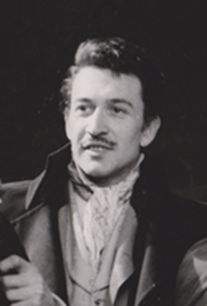

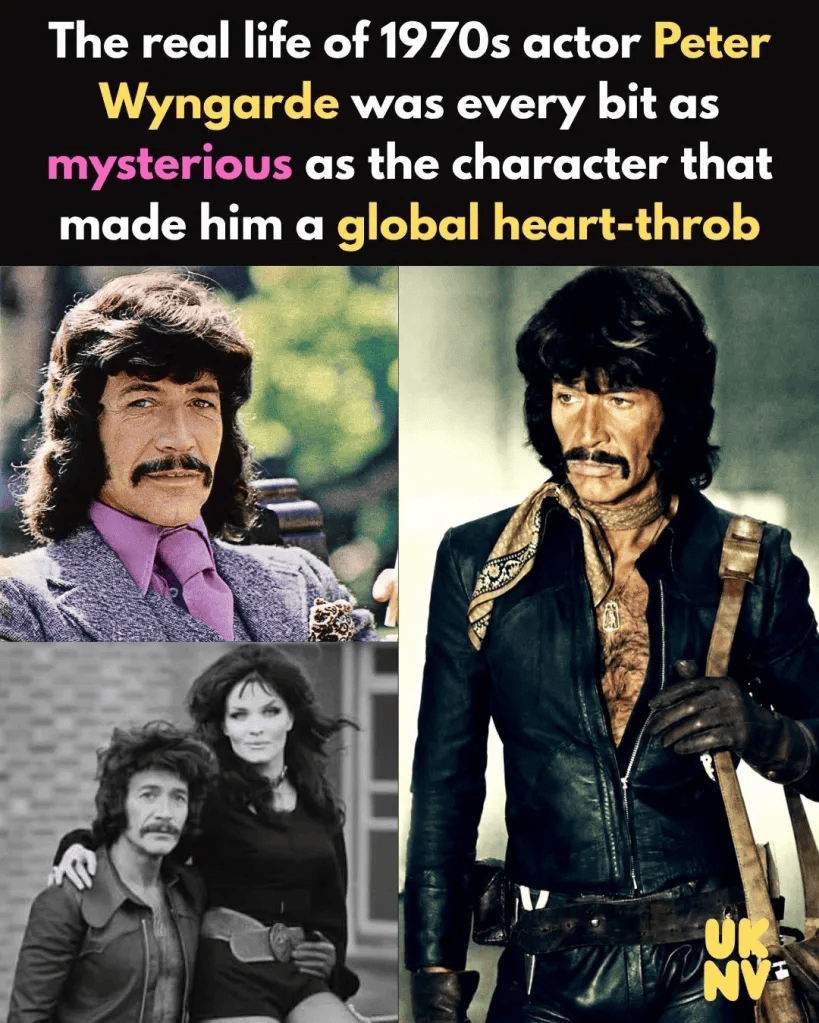
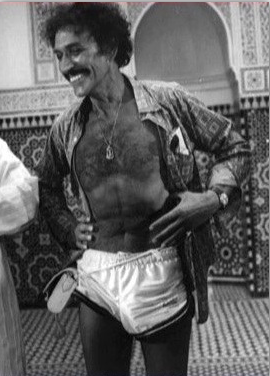





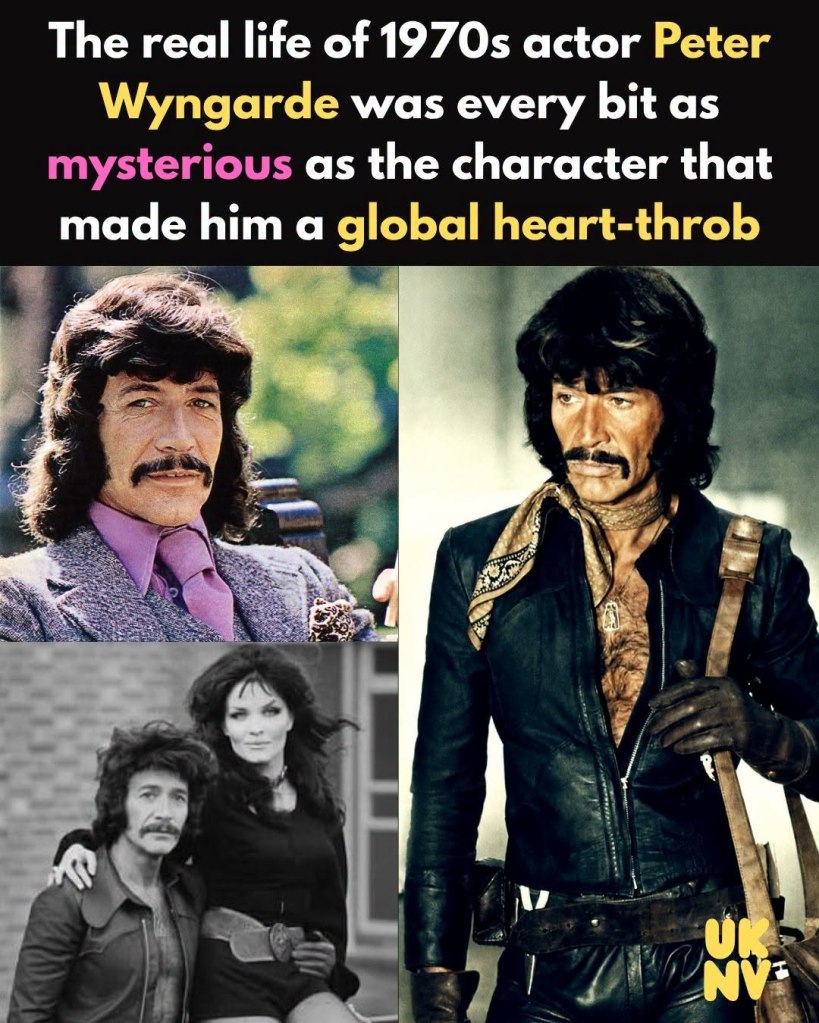


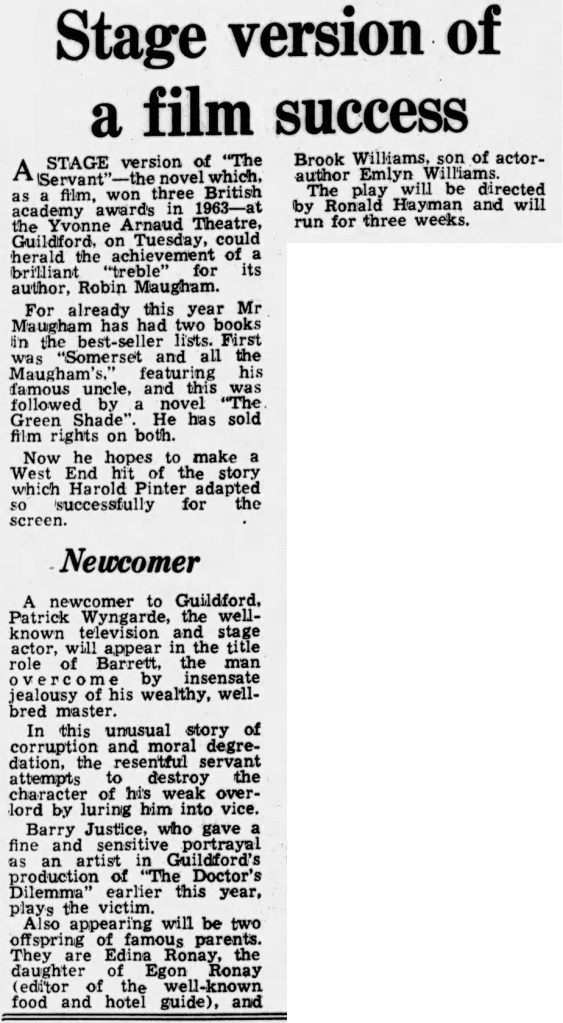



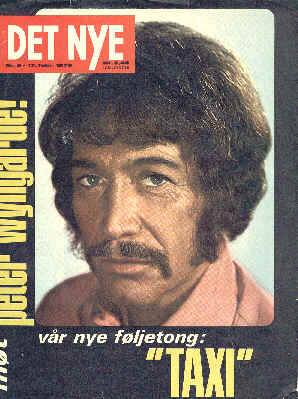



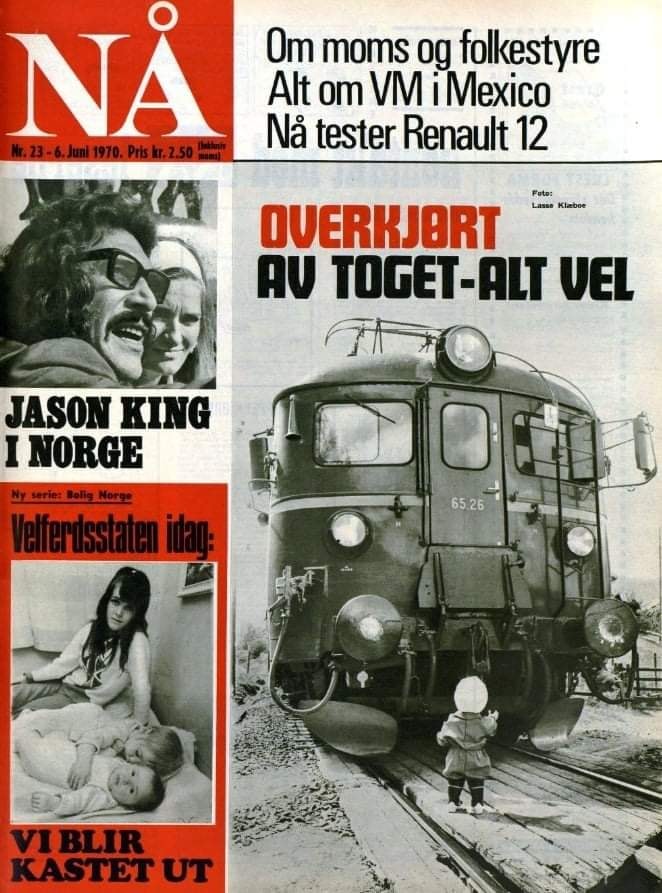


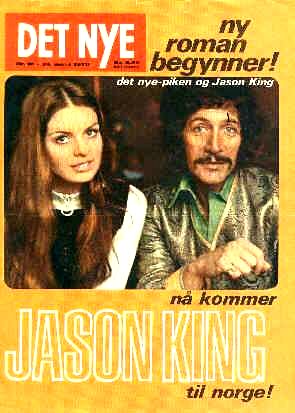


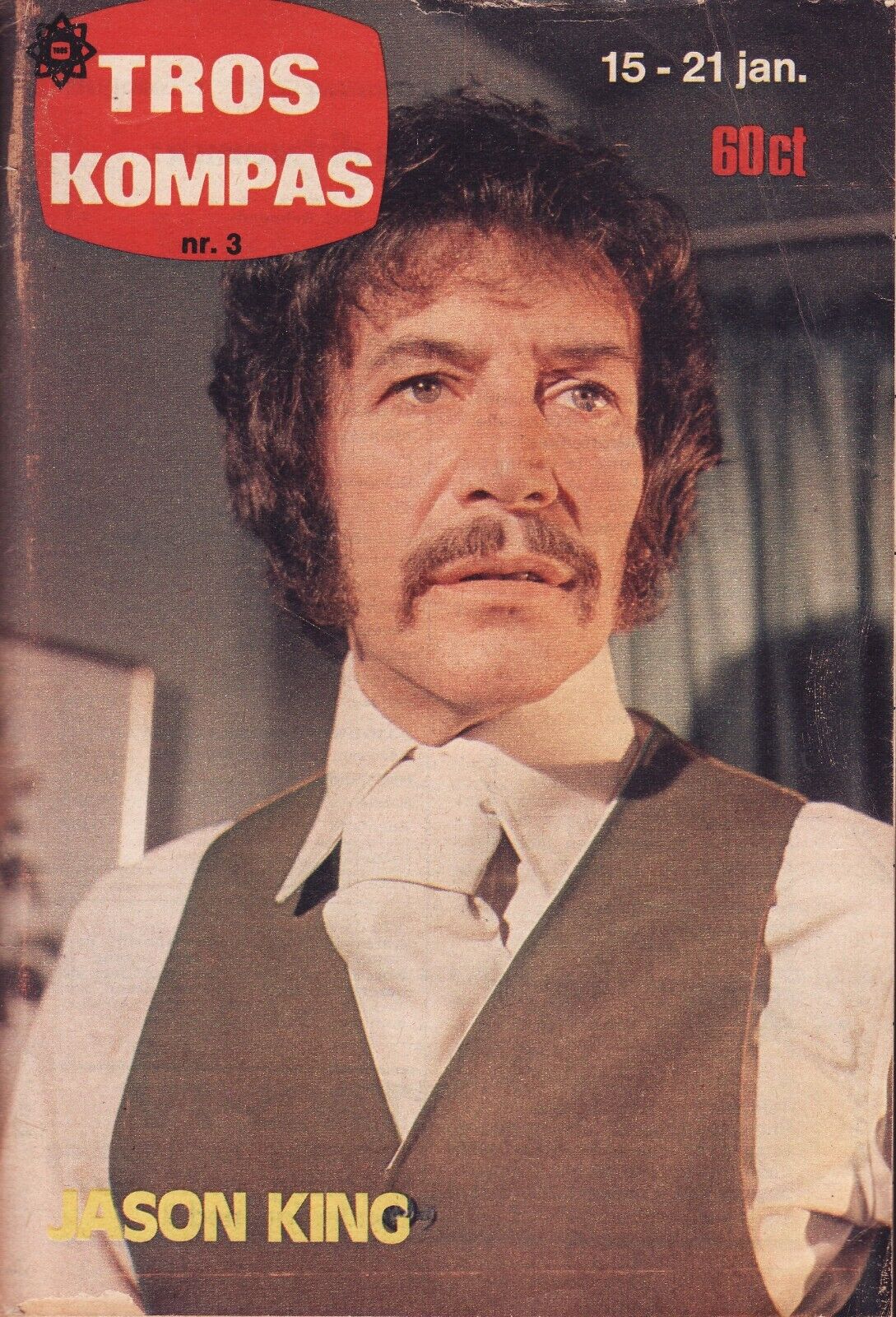

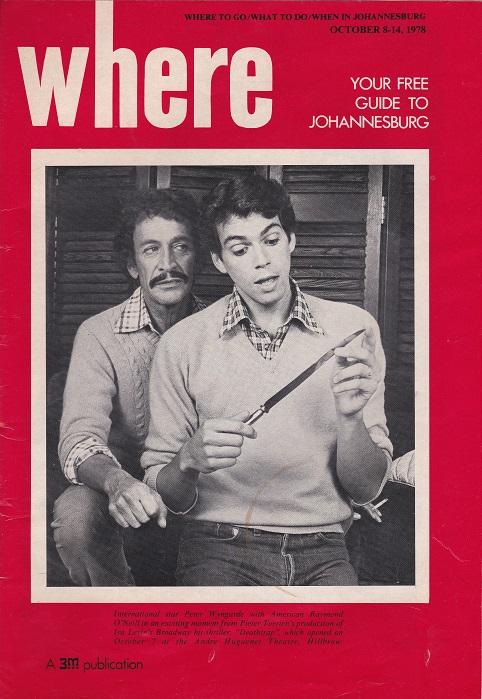




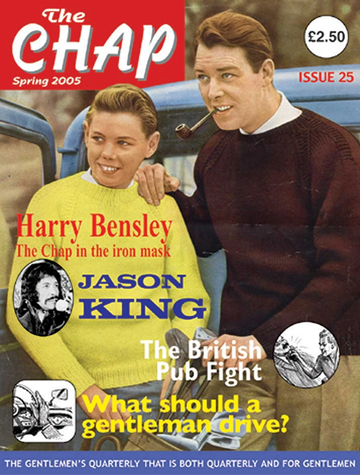
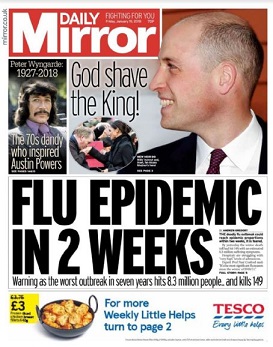




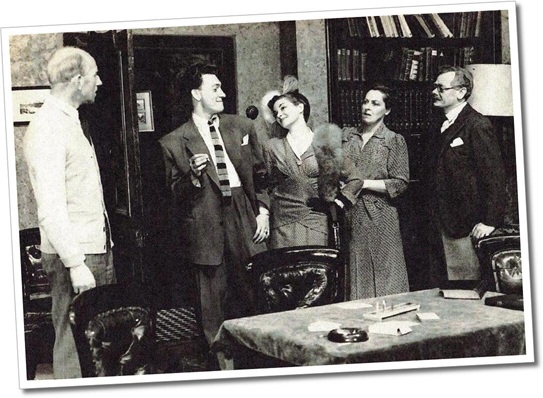

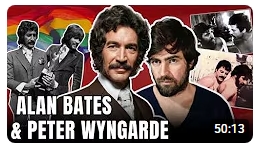
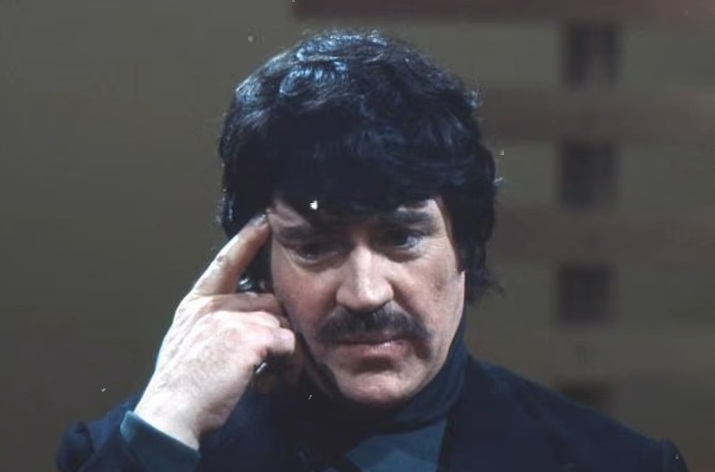







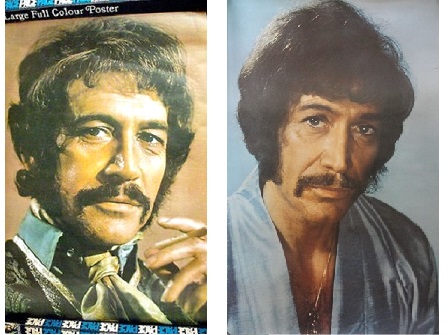


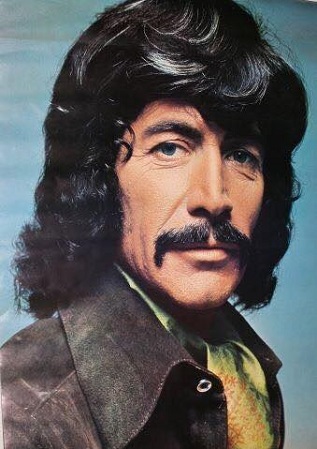

 PETER WYNGARDE: The Official Website