

Written by Sarah-Jane Taylor
Back in 2014, a rather misinformed freelance journalist proposed that Peter Wyngarde’s legacy would be confined exclusively to his portrayal of General Klytus in the 1980 science fiction masterpiece, ‘Flash Gordon’. I respectfully disagree with this assessment, and the following explanation demonstrates why...
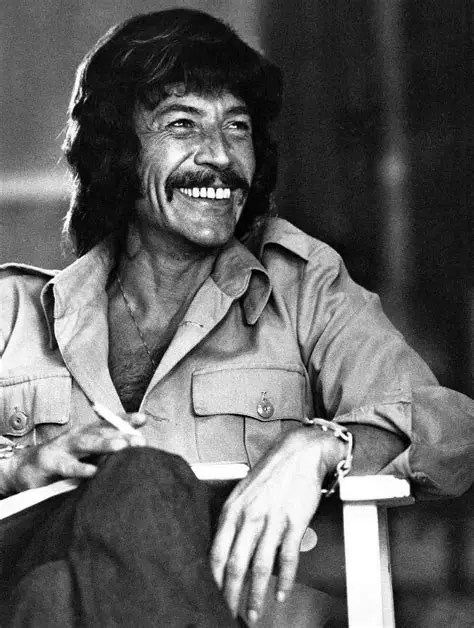
Within the annals of British entertainment, certain performers are commemorated for their sustained achievement, others for their critical recognition, and still others for having fashioned a character so singular that it permeated popular culture. Peter Wyngarde occupies a more exceptional category. He accomplished all of these distinctions whilst maintaining an enigmatic presence that has become increasingly captivating throughout the years. Primarily recognised for his interpretation of the ostentatious crime novelist and adventurer Jason King in the television programme Department S and its derivative series Jason King, Peter established a legacy that transcends any individual performance. His impact manifests across television, fashion, popular culture, and the conception of the compelling anti-hero.
Notwithstanding his death in London on 15 January 2018, his standing has persisted because he functioned as considerably more than a performer. He represented an icon, a puzzle, a survivor, and an embodiment of a particular form of sophistication that appears nearly impossible to emulate within contemporary entertainment. The factors contributing to his enduring remembrance are manifold, yet collectively they constitute the narrative of an extraordinary individual whose existence proved as compelling as the roles he inhabited.
In contrast to numerous actors who originate from relatively orthodox circumstances, Peter’s existence appeared to derive from the narrative of an adventure chronicle. Accounts of wartime endurance, worldwide relocation, and societal displacement furnished him with an impression of veracity when he subsequently embodied refined adventurers and mysterious outsiders. Spectators perceived an exceptional quality within him. Prior to achieving prominence, he possessed a cosmopolitan character that distinguished him from his peers.
This distinctive formative experience facilitated the development of the composure that would characterise his professional identity. Peter consistently projected an air of distinction. Whether performing on stage, appearing on television, or participating in discourse, he conveyed the assurance of an individual who had experienced a substantially more expansive existence than the majority could envision.
Jason King distinguished himself from the majority of television protagonists of his period through his refined demeanor rather than physical toughness, his intellectual sophistication rather than mere athleticism, and his clever repartee rather than emotional restraint. He exhibited an ostentatious approach to fashion, conducted himself with considerable panache, and engaged with existence through a synthesis of self-assurance and comedic sensibility that rendered him profoundly compelling.
The character possessed considerable potential for becoming an exaggerated caricature. Under the direction of a less accomplished performer, Jason King might have been relegated to historical footnote status, yet Peter possessed the acumen to calibrate extravagance with authenticity. He elevated the character to mythic proportions whilst maintaining plausibility.
This equilibrium demanded extraordinary technical proficiency. Audiences simultaneously experienced amusement, admiration, and investment in Jason King’s endeavors. Achieving this tripartite response represents a considerable challenge and fundamentally explains the character’s enduring cultural resonance.
Even in contemporary times, many years following the programme’s conclusion, Jason King maintains recognition as one of the most iconic figures in British television heritage.
Contemporary society exists within an environment saturated by celebrities whose public personas are meticulously curated by professional representatives and digital communication specialists. Conversely, Peter cultivated an identity that possessed authentic originality.

Throughout the early 1970s, he became inextricably linked with elegance, refinement, and aesthetic excellence. His sartorial selections garnered considerable public interest, and period documentation characterises him as a fashion influencer whose cultural impact transcended the television audience. His audacious clothing selections and refined public presentation established him as among Britain’s most prominent public figures.
Peter’s distinguishing characteristic resided in his conceptualization of fashion as an integral component of artistic expression. The precisely tailored outerwear, striking neckwear, meticulously maintained facial hair, and apparent ease all functioned as essential elements of the public identity that audiences recognised.
While numerous performers adopt prevailing fashion movements, Peter functioned as their originator.
His legacy persists in subsequent fictional personalities who amalgamate theatrical presentation with self-possession. Cultural analysts have frequently identified parallels between Jason King’s aesthetic sensibilities and the subsequent espionage character archetypes that subsequently achieved prominence in entertainment media.
The contemporary audience’s capacity to instantaneously recognise a “Jason King aesthetic” exemplifies the degree to which Peter successfully integrated himself into the visual vernacular of his era.
Another factor contributing to Peter’s enduring memorability is the persistent absence of comprehensive biographical clarity regarding his life.
Historical documentation has been marked by disagreements concerning his birth circumstances, educational background, and personal affairs. Varying scholarly and biographical sources have offered divergent narratives regarding his origins, formative years, and intimate history.
For most entertainment personalities, such biographical ambiguity would represent a liability. However, for Peter, this uncertainty functioned as a distinguishing asset.
He deliberately maintained an aura of enigma during an era preceding the emergence of social media, which has rendered contemporary public figures substantially transparent. The audience possessed the opportunity to construct theories about him because supplementary narratives, alternative accounts, and unresolved inquiries perpetually existed.
In numerous ways, he appeared to embody less the characteristics of a traditional performer and more the qualities of the mysterious personas he brought to life. Admirers developed an interest extending beyond his artistic interpretations to encompass the enigmatic nature of Peter as an individual.
This enigmatic quality maintains its capacity to generate scholarly and popular interest in the years following his passing. Subsequent audiences encounter his work and develop fascination with the inconsistencies and uncertainties characterizing his biographical narrative.
A fundamental criterion for assessing any creative professional’s cultural importance is the persistence of their artistic contributions amid evolving aesthetic preferences.
Television underwent substantial transformation throughout Peter’s professional tenure. He experienced the progression from monochromatic transmission to polychromatic broadcasting, from geographically constrained theatrical production to progressively refined technical capabilities. Nevertheless, his artistic legacy endured.
Television programs featuring Peter sustained the engagement of devoted audiences well beyond their initial transmission periods. Physical media distributions, periodic reruns, fan-oriented gatherings, and digital platforms functioned to sustain his professional standing. His interpretive work achieved recognition among viewers encountering his performances for the first time, independent of their original broadcast chronology.
Numerous television personalities become captives of their historical moment. Their prominence diminishes as aesthetic preferences shift. Peter circumvented this predicament because his magnetism remained independent of transient cultural movements. Magnetism, intelligence, self-assurance, and distinctiveness maintain their enduring appeal. Therefore, his portrayals retain their exceptional quality when examined by contemporary audiences.
Cult television depends upon compelling figures. Audiences repeatedly engage with programmes featuring personalities without parallel. Jason King exemplifies this criterion.
The character’s prominence within cult television circles has sustained Peter’s ongoing recognition. Devotees of established television regularly acknowledge his significance to British cultural heritage, and his performances serve as a reference point in examinations of genre television spanning the 1960s and 1970s.
Cult recognition frequently establishes a more resilient legacy than widespread commercial success. General audiences may transition elsewhere, but devoted followers maintain and promote their preferred content. Peter derives substantial advantage from this dynamic. Each successive cohort of television scholars, archivists, and aficionados eventually discovers Jason King and appreciates the character’s exceptional nature.
The outcome constitutes a legacy perpetually reinvigorating itself. Adherence to convention has generated remarkably few permanent cultural figures.
Peter proved significant because he declined to remain inconspicuous. His portrayals demonstrated audacity, his presentation was remarkable, and his relationship with celebrity was atypical.
Within contemporary entertainment, distinctiveness receives frequent discussion yet inconsistent implementation. Numerous performers conform to established conventions in appearance, vocal delivery, and conduct. Peter persistently rejected such conformity.
He demonstrated erudition during periods when intellectual skepticism prevailed. He championed refinement when rugged aesthetics dominated cultural preferences. He valued theatrical expression when naturalistic approaches predominated. This commitment to differentiation rendered him unforgettable. Audiences may not invariably endorse unconventional performers, yet they seldom disregard them.
Any comprehensive evaluation of Peter Wyngarde’s legacy must acknowledge the difficulties he encountered.
His professional trajectory experienced a substantial decline that, regrettably, impacted both his career prospects and his public standing. Nevertheless, hardship frequently demonstrates one’s true character.
While he did not restore the prominence he possessed during his most successful period, he persisted in his work and retained the support of devoted followers who valued his artistic abilities and determination. His commitment fostered the deep appreciation numerous admirers held for him.
There exists something profoundly authentic about performers who overcome adversity rather than experiencing unbroken prosperity. Their trials lend substance to their accomplishments. In Peter’s situation, struggle elevated rather than diminished his standing among those who held him in high regard.
Within the performing arts sector, certain artists gain respect from peers due to their professionalism and commitment. Peter’s extensive career spanning theatre, cinema, and television reflected a genuine devotion to the art of performance rather than superficial stardom. He treated each role with gravity and brought sophistication to his interpretations.

This commitment solidified his standing among discerning analysts of British theatre. Even when examining his most theatrical roles, commentators and admirers recognised the fundamental artistry that rendered those performances compelling. Numerous performers can convey self-assurance. Relatively few can convey self-assurance while simultaneously demonstrating fragility, humour, acuity, and nuance. Peter accomplished this consistently.
That accomplishment warrants acknowledgment and strengthens the enduring nature of his legacy.
Peter’s enduring appeal derives substantially from what he embodies. For contemporary audiences, he represents a period in which television adventure maintained a distinctive elegance and romantic quality. His televised universe encompassed international journeys, upscale accommodations, refined attire, witty repartee, and sophisticated intrigue. The authenticity of that world remains largely irrelevant. What audiences retain is the emotional resonance of the experience.
Peter established himself as one of the most influential representatives of a cosmopolitan sophistication fantasy. Engaging with his performances provided viewers with temporary respite into a realm where each location appeared captivating and every interaction suggested possibility. Such fantasies persist in their appeal because they fulfill fundamental human aspirations. Consequently, performers connected to these fantasies maintain their significance within cultural discourse.
Certain performers are recalled for a distinctive visual signature. Others are remembered for their vocal qualities. Peter possessed both attributes. His voice conveyed authority, intelligence, irony, and magnetism. When combined with his remarkable physical presence, it formed a comprehensive artistic identity that audiences found immediately distinctive. Distinctiveness holds considerable importance in popular culture.
When an actor achieves identification within moments, their likelihood of attaining enduring prominence increases substantially. Peter accomplished precisely this degree of distinctiveness. Individuals unfamiliar with complete Jason King episodes frequently recognise his photographs. The facial hair, coiffure, sartorial choices, and demeanour have become emblematic.
Relatively few performers establish such a powerful visual legacy.
Peter’s permanent place in cultural memory is further secured by the commitment of his fans.
Peter’s enduring legacy is substantially reinforced by the unwavering commitment of his dedicated admirers.
Official repositories, biographical works, private collections, television scholars, and passionate devotees have consistently labored to safeguard documentation regarding his personal history and professional accomplishments. Comprehensive collections, published volumes, recorded conversations, and critical examinations guarantee that subsequent generations will retain the capacity to explore and appreciate his contributions.
Fan communities fulfill a vital role within cultural preservation. They prevent prominent individuals from fading into historical obscurity. In Peter’s situation, these preservation initiatives have demonstrated remarkable effectiveness. His artistic output remains readily available, actively discussed, and widely celebrated well beyond the initial broadcast dates of his most prominent performances.
Provided that enthusiasts persist in introducing new audiences to Department S and Jason King, his cultural significance will endure indefinitely.
Certain fictional characters transcend their source material and attain the status of cultural icons. Jason King exemplifies this phenomenon.
The character manifested assurance devoid of malice, refinement without pretension, and elegance without reservation. Audiences held him in high regard because he demonstrated a complete engagement with existence. Significantly, Jason King also embodied a masculine identity distinct from conventional action-adventure protagonists. He possessed style, eloquence, imaginative capacity, and psychological openness while maintaining undeniable personal magnetism. This distinctive synthesis contributed to his revolutionary impact in understated yet profound ways.
Contemporary viewers frequently value the character specifically because he diverges from traditional heroic archetypes. Through Jason King, Peter established something permanent: a representation of individuality that maintains contemporary relevance.
The majority of celebrated performers ultimately represent either historical nostalgia or contemporary rediscovery. Peter embodies both categories simultaneously.
Veteran audiences cherish his memory because they witnessed his ascent to prominence directly. Emerging audiences encounter him via classic television broadcasts, digital streaming platforms, documentary productions, and guidance from devoted fans. This multifaceted appeal remains exceptionally rare.
Any comprehensive evaluation of Peter’s legacy must acknowledge the substantial difficulties he encountered.
His professional trajectory experienced a considerable decline that, regrettably, impacted both his career prospects and his public standing. Nevertheless, hardship frequently demonstrates one’s true character.
While he did not achieve a return to the prominence he once commanded during his most successful period, he persisted in his work and retained the devotion of supporters who valued his artistic abilities and determination. His commitment fostered the deep affection his admirers maintained for him.
There exists something profoundly authentic about performers who navigate adversity rather than experiencing unbroken triumph. Their difficulties enrich their accomplishments. In Peter’s situation, struggle elevated rather than diminished his standing among those who held him in high regard.
Within the performing arts sector, certain artists gain respect from their peers through their professionalism and commitment to their craft. Peter’s extensive career spanning theatre, cinema, and television reflected a genuine devotion to acting as an art form rather than mere stardom. He treated each role with seriousness and brought intellectual depth to his interpretations.
This commitment solidified his standing among discerning critics of British theatrical performance. Even when examining his most theatrical roles, observers and enthusiasts recognised the considerable skill underlying those compelling portrayals. Numerous actors can convincingly project assurance. Relatively few can project assurance while simultaneously demonstrating fragility, humour, intellect, and nuance. Peter accomplished this consistently.
This accomplishment warrants acknowledgment and strengthens the enduring nature of his professional reputation.
A significant component of Peter’s appeal derives from what he embodied. For contemporary audiences, he represents a period when television adventure possessed distinctive sophistication and allure. His television universe encompassed global expeditions, upscale accommodations, refined fashion, witty repartee, and sophisticated mystery. Whether such a world genuinely existed is largely irrelevant. Audiences retain the emotional resonance of that experience.
Celebrities whose prominence relies exclusively on nostalgic sentiment frequently diminish as their initial audiences pass away. Conversely, celebrities sustained solely through contemporary discovery may fail to establish meaningful emotional connections with older demographics. Peter uniquely benefits from both of these advantages concurrently.
He persists as a treasured recollection for certain audiences while simultaneously representing an engaging discovery for others. This dual appeal virtually ensures sustained engagement with his artistic contributions.
The fundamental criterion for cultural persistence is straightforward: does the public maintain interest? In Peter’s situation, the response is unequivocally affirmative. Contemporary audiences continue to appreciate the identical attributes that established his prominence in previous decades:
- Originality
- Confidence
- Wit
- Mystery
- Style
- Charisma.
These qualities transcend temporal boundaries.
Technology evolves. Fashion transforms. Broadcasting methods shift. Human attraction to remarkable individuals persists unchanged. Whenever audiences engage with Peter’s performances, they promptly identify that he possessed an element incapable of artificial creation. Authentic star quality remains as uncommon in contemporary times as it was throughout his career.
Peter shall endure in collective memory because he transcended the role of accomplished performer. He exemplified a survivor of extraordinary adversity, a talented artist, a fashion trendsetter, a cult television phenomenon, and among the most singular personalities to grace British television. His interpretation of Jason King established his permanent position in television heritage, yet the resilience of his legacy derives from a more fundamental source: distinctiveness.
Rare are the performers who have unified mystery, ability, sophistication, and fortitude with such completeness. Years following his most celebrated accomplishments, audiences persist in examining him, rediscovering his performances, and acknowledging his contributions. His impact manifests in subsequent television personalities, his aesthetic remains instantly identifiable, and his biographical narrative continues to captivate those who encounter it.
The entertainment sector generates numerous celebrities but produces comparatively few legendary figures. Peter attained legendary status through his refusal to embrace mediocrity. He commanded presence in every environment, every moment, and every performance with unmistakable authority. The progression of years has not diminished this commanding presence. In fact, it has amplified its significance.
Provided that society continues to esteem charisma, originality, and the perpetual allure of distinguished television programming, Peter’s designation shall remain in public consciousness.
THE TELEVISION FIRSTS AND THE CHARACTERS THAT WILL LIVE ON FOREVER
Lieutenant Jan Wicziewsky. ‘South’ (1959)
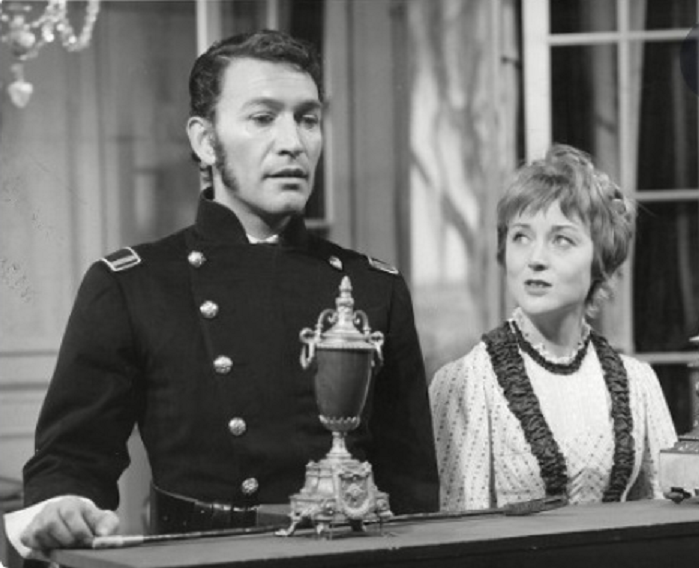
The 1959 British television play South, which premiered on ITV’s Play of the Week series on 24 November 1959, holds a distinctive and significant position in the annals of British television history. Adapted by Gerald Savory from Julien Green’s 1953 play Sud, this production is now widely acknowledged as the earliest extant British television drama to treat homosexuality as a principal theme. Though largely overlooked throughout subsequent decades, its recovery by the British Film Institute illuminated its groundbreaking contribution to questioning established social conventions during an era when homosexual conduct remained prohibited in Britain.
Located in the American South during the period preceding the Civil War, South chronicles the narrative of Lieutenant Jan Wicziewsky, a Polish expatriate residing on an estate managed by an affluent household. The introduction of Eric MacClure, an attractive military officer, compels Jan to address sentiments he has endeavoured to restrain. During a period when television seldom portrayed same-sex attraction in any capacity, the play examined themes of yearning, isolation, selfhood, and constraint with considerable gravity and compassion. Although the terminology of homosexuality could not be articulated explicitly on television, audiences of that period comprehended the psychological struggle underlying the narrative.
The importance of South derives not exclusively from its thematic content but equally from its historical moment. In 1959, societal discourse regarding homosexuality remained profoundly contentious. The Wolfenden Report had advocated for legislative modification two years prior, yet substantive transformation would not materialise until the Sexual Offences Act of 1967. Within this societal context, South constituted a courageous cultural intervention. It prompted viewers to identify with an individual whose suffering originated not from wrongdoing or ethical transgression but from his powerlessness to openly declare his affection. Consequently, the production constitutes a pivotal moment in the progressive development of LGBTQ+ portrayal in British cultural media.
Central to the theatrical production’s resonance was Peter’s interpretation of Jan Wicziewsky. As an already seasoned performer, Peter demonstrated remarkable emotional depth, embodying Jan’s surface-level assurance alongside his concealed psychological distress. The character undergoes a transformation from aristocratic composure to mental deterioration as he grapples with sentiments that contemporary society compelled him to suppress. Both critical reviewers and subsequent historians have commended the performance for its nuance and sophistication, particularly considering the limitations imposed on television drama during that era.
Peter’s selection for the role held particular importance because accepting such a part entailed substantial career jeopardy during the late 1950s. The production faced opposition from certain media outlets, mirroring prevailing social attitudes of the time. Nonetheless, his commitment to portraying the character with integrity and compassion established Jan as among the earliest sympathetically drawn gay characters featured on British television. Rather than reducing the role to conventional stereotypes, Peter presented him as a poignant romantic protagonist whose internal conflict possessed universal appeal transcending the historical context of the narrative.
In contemporary assessment, South stands as a pivotal moment in television heritage. Its examination of prohibited romance, alongside Peter’s audacious and persuasive portrayal of Jan Wicziewsky, secured its enduring importance. What was once an obscure television production is presently acknowledged as a significant pioneering contribution toward more forthright and representative programming on British broadcasting platforms.
Peter Quint.The Innocents (1961)
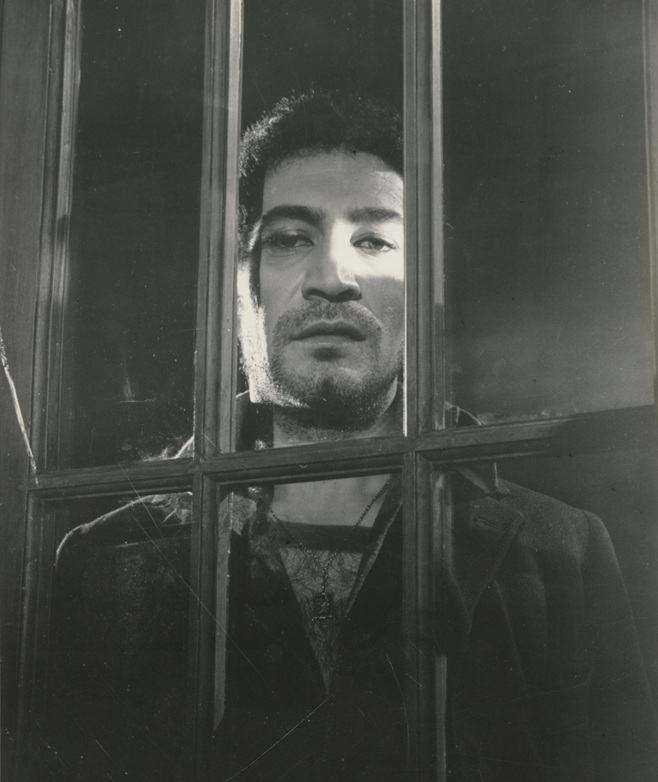
Jack Clayton’s The Innocents (1961) is widely acknowledged as among the most exceptional psychological horror films in cinema history. Drawing from Henry James’s novella The Turn of the Screw, the film is distinguished by its evocative atmosphere, refined cinematography, and perplexing ambiguity. Although Deborah Kerr’s portrayal of the conflicted governess Miss Giddens rightfully receives considerable recognition, Peter’s role as Peter Quint constitutes one of the film’s most striking and profoundly disturbing aspects.
Peter assumes the role of Peter Quint, the spectral former valet who previously worked at the isolated Bly estate. Despite Quint’s limited duration on screen, his presence significantly shapes the entire narrative arc. He is characterised as a cunning and ethically bankrupt individual whose pernicious influence had affected both the household staff and the young boy Miles. Following his demise, Quint’s supernatural presence appears to persist in haunting the estate, functioning as a fundamental element of dread and enigma.
Peter’s interpretation stands out for its measured approach. Rather than employing exaggerated movements or overtly menacing conduct, he establishes an aura of threat through composure, facial expression, and sheer presence. His initial appearance, positioned silently upon a tower while gazing downward at Miss Giddens, represents one of the most frightening sequences in British film history. The scene is understated, yet profoundly disquieting. Peter’s penetrating stare communicates an eerie sense of intention, causing both the governess and viewers to question whether they are observing a genuine supernatural entity or a psychological projection of her consciousness.
A notable strength of Peter’s portrayal lies in the enigmatic quality he imparts to the character. The film deliberately refrains from providing conclusive evidence regarding the genuine existence of Quint’s apparition. Consequently, each manifestation permits multiple interpretations. Peter undertook the challenging responsibility of portraying a character that existed simultaneously as both corporeal and incorporeal, material and phantom-like. His performance accomplishes this equilibrium with remarkable precision, enabling audiences to superimpose their own apprehensions and understandings upon the character.
The actor’s distinctive physical appearance substantially enhanced the role’s impact. Possessing dark complexion, penetrating gaze, and formidable presence on screen, Peter emanated an impression of refinement intermingled with menace. Peter Quint is not depicted as a traditional monster. Rather, he demonstrates charisma, intellect, and allure—attributes that render him considerably more sinister. Peter conveyed a corrupting presence that persisted beyond the character’s demise, reinforcing the film’s central concerns regarding innocence threatened by adult depravity.
During the production of The Innocents, Peter was in the early stages of establishing his professional standing. The Innocents exemplified his capacity to make a profound impact through a secondary role. His performance revealed a captivating magnetism that would subsequently define his career.
More than sixty years following its theatrical premiere, The Innocents maintains its status as a seminal work of psychological horror, and Peter’s portrayal of Peter Quint persists as among its most unsettling characterizations. Through judicious acting choices, enigmatic magnetism, and disturbing presence, Peter contributed to the creation of a spectre whose memory persists long after the film concludes. His performance constitutes a fundamental element in The Innocents’ continued recognition as a cinematic masterwork of horror.
Jason King. Department S (1969-70) & Jason King (1971-72)
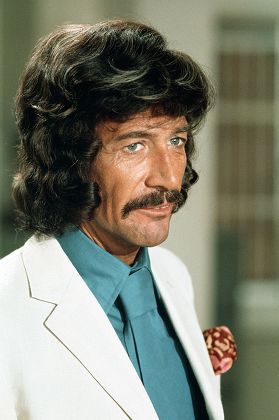
Jason King stands as one of the most distinctive and culturally significant characters to have emerged from British television. Following his introduction in the late 1960s within Department S, he progressed to his own highly successful spin-off series, establishing himself as a character that synthesised glamour, wit, eccentricity, and self-assurance in a manner that captivated audiences and established a lasting influence on popular culture.
Jason King possessed immediate and striking recognizability. His prominent moustache, ostentatious clothing choices, bespoke suits, and assured demeanour distinguished him from the conventional television protagonists of his period.
During an era when numerous screen detectives and adventurers were portrayed as uncomplicated action-oriented figures, King presented an alternative proposition. He functioned as a bestselling crime novelist who frequently discovered himself embroiled in the identical categories of mysteries featured in his literary works. This characteristic afforded the character an exceptional degree of refinement and introspection that resonated with viewers seeking more sophisticated entertainment than conventional television programming offered.
The cultural significance of Jason King derives substantially from his function as an embodiment of transforming Britain during the late 1960s and early 1970s. The nation was adopting progressive perspectives regarding fashion, celebrity status, and individual self-expression. King epitomised a realm that was vibrant, internationally-minded, and self-assured. He undertook international journeys, associated with prominent figures, and navigated effortlessly through an environment comprising luxury accommodations, remote destinations, and mysterious circumstances. For viewers, he furnished an idealised representation of contemporary existence that mirrored the period’s preoccupation with aesthetic refinement and international sophistication.
Jason King played a pivotal role in transforming television’s conception of masculinity. In contrast to conventional male protagonists who prioritised toughness and emotional restraint, King distinguished himself through his uninhibited flamboyance and theatrical demeanour. He demonstrated a genuine appreciation for refined clothing, culinary excellence, and opulent living, while simultaneously celebrating his own persona with evident pride. Despite these characteristics, he maintained exceptional courage, intellectual acuity, and practical competence. This distinctive amalgamation disrupted conventional gender expectations and expanded the parameters of what a masculine television protagonist could represent. In numerous respects, King foreshadowed subsequent characters who synthesised self-assurance, comedic sensibility, and sartorial sophistication into their characterizations.
The legacy of Jason King manifests itself across numerous subsequent television and cinematic creations. His commanding presence, incisive repartee, and lavish aesthetic established a foundation for characters who incorporated style as a fundamental component of their magnetism. Traces of King’s influence are evident throughout subsequent detective narratives, espionage thrillers, and comedic productions alike. He substantiated that audiences possessed the capacity to embrace protagonists characterised by eccentricity and nonconformity while simultaneously maintaining charisma and audience connection.
General Klytus. Flash Gordon (1980)

Peter’s portrayal of General Klytus in the 1980 film Flash Gordon, while not representing his most prominent career role, has emerged as one of his most consequential performances in exposing the distinguished actor to audiences born well after his television prominence. Although many established admirers recognise Peter from his role as the mysterious Jason King, contemporary viewers have progressively encountered his capabilities through cult film restorations, digital streaming platforms, and growing enthusiasm for classic science fiction entertainment.
Produced by Dino De Laurentiis and helmed by director Mike Hodges, Flash Gordon constituted an audacious and vibrant interpretation of the renowned comic strip character. Throughout subsequent decades, the film has cultivated a passionate audience base owing to its opulent aesthetic presentation, ironic comedic sensibility, and celebrated musical composition by Queen. Among the film’s striking ensemble of characters stood General Klytus, the merciless military administrator of Emperor Ming’s military apparatus, executed with unmistakable command by Peter.
Concealed beneath a striking golden mask and intricate attire, Peter depended predominantly on his authoritative vocal delivery and commanding physical demeanour to actualise Klytus. Inferior performers might have encountered difficulty establishing significance while obscured by such comprehensive prosthetic and wardrobe elements. Peter, conversely, elevated the character into among the film’s most striking antagonists. Each utterance was articulated with a frigid, refined malevolence that harmonised flawlessly with Mongo’s extravagant aesthetic.
The distinguishing element of Peter’s interpretation resides in its authenticity and dedication. Flash Gordon honors its comic-book foundations completely, yet Peter declines to approach the content frivolously. Rather, he furnishes Klytus with authentic menace and commanding presence. This gravitas serves to stabilise the film’s more imaginative components and substantially strengthens its persistent popularity.
For younger audiences encountering Flash Gordon in contemporary times, Klytus emerges as one of the film’s most visually distinctive and unforgettable characters. The striking golden mask, paired with Peter’s sophisticated and expressive vocal performance, establishes a villain that diverges significantly from those prevalent in many modern science fiction productions. In an era characterised by digital visual effects, the handcrafted costumes and grandiose performances that characterise the film offer a compelling alternative.
The digital landscape has proven instrumental in introducing Peter to contemporary audiences. Conversations across cinema discussion boards, digital social networks, and documentary-style video content examining cult films consistently feature the ensemble cast of Flash Gordon. Numerous younger spectators who first encounter Klytus subsequently investigate Peter’s broader professional trajectory, uncovering his pioneering contributions to television programming throughout the 1960s and 1970s. Consequently, Flash Gordon functions as an entry point to a substantially more comprehensive understanding of his professional accomplishments.
The film’s sustained appeal at fan conventions, curated screenings, and commemorative events has further elevated Peter’s prominence among younger demographics. Each theatrical revival exposes fresh audiences to a performer whose magnetic presence has endured undiminished throughout the decades since the film’s initial release.
Peter’s interpretation of General Klytus illustrates how even a secondary character role can establish an enduring influence on popular culture. Through the sustained acclaim of Flash Gordon, he continues to engage viewers who were not yet born at the time of the film’s premiere. Consequently, successive generations are encountering an artist of exceptional presence and sophistication, guaranteeing that Peter’s professional legacy persists with considerable vitality.
Flash Gordon is now considered by critics to be Sci-Fi classic. General Klytus is the stand out character in the film, which will ensure that Peter Wyngarde will never be forgotten!
PETER’S CULT TV IMMORTALITY
John Cleverly Cartney. The Avengers – A Touch of Brimstone (1966)
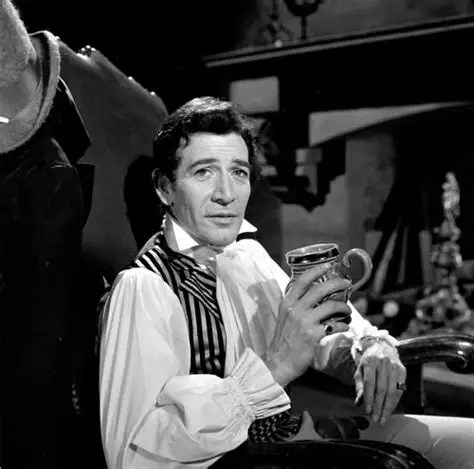
Among the numerous unconventional antagonists featured in the acclaimed 1960s television programme The Avengers, few have made as profound an impact as Peter’s interpretation of The Honourable John Cleverly Cartney in the esteemed episode A Touch of Brimstone. This episode is frequently recognised as among the most exceptional in the series’ catalogue, and Peter’s portrayal constitutes a principal factor in its continued prominence in critical discourse and public appreciation.
Upon initial examination, Cartney presents himself as the quintessential embodiment of aristocratic sophistication. Refined, articulate, intellectually accomplished and impeccably groomed, he embodies all the hallmarks characteristic of a conventional English gentleman of standing. However, concealed beneath this refined veneer exists a formidable and cunning personality who derives satisfaction from degradation and ethical transgression. This dichotomy between superficial charm and underlying menace constitutes the character’s fundamental appeal. Peter recognised that an authentically persuasive antagonist need not resort to constant vocalisation or explicit intimidation. Rather, he employed his imposing demeanour, sonorous vocal quality and inherent self-assurance to render Cartney simultaneously alluring and disquieting.
Among the most striking dimensions of this performance is its dramatic presentation. Cartney functions essentially as the principal orchestrator of a contemporary iteration of the notorious Hellfire Club; an institution dedicated to gratification, transgression and ultimately murder. He directs the club’s extraordinary ceremonies with the sovereignty of a monarch and the artistic sensibility of a theatrical performer. Peter demonstrates evident enthusiasm for each utterance, imbuing Cartney with an exaggerated stature that harmonises seamlessly with The Avengers’ distinctive synthesis of espionage, imaginative storytelling and satirical commentary.
The compelling chemistry between Peter and Diana Rigg’s Emma Peel constitutes a principal factor in the episode’s sustained acclaim. Cartney demonstrates fascination with Emma upon their initial encounter, and their dialogue exchanges radiate sophistication, peril, and reciprocal acuity. In contrast to numerous television antagonists of that period, Cartney acknowledges Emma as an equally formidable adversary. Their confrontations establish a dramatic tension that propels the narrative forward and furnishes several of the episode’s most striking moments.
The episode itself acquired notoriety due to its provocative subject matter. Incorporating allusions to the historical Hellfire Club, depictions of ritualistic conduct, and visual elements deemed audacious for 1960s television, A Touch of Brimstone transgressed the conventional boundaries of mainstream programming. Certain sequences featuring Cartney underwent modification for particular broadcasts – most notably, the (in)famous ‘Whipping Scene’ – and the episode was deemed excessively contentious for initial distribution in America. Peter’s courageous portrayal occupies the focal point of this controversy, furnishing the narrative with considerable dramatic intensity.
Most significantly, Cartney exemplifies the calibre of refined antagonist in which Peter demonstrated exceptional proficiency. His magnetism proves sufficiently potent that audiences frequently retain him in memory with equivalent vividness as the protagonists. The character subsequently emerged as one of the most significant roles throughout Peter’s professional trajectory, exemplifying the attributes that would subsequently establish his prominence as Jason King. Certain scholars have proposed that the episode’s representation of the Hellfire Club exerted influence upon subsequent cultural productions, encompassing comic-book adaptations of this concept (see later in this article).
More than six decades subsequently, John Cleverly Cartney persists as an indelible figure because Peter Wyngarde elevated what might have remained a conventional television antagonist into a captivating, intellectually sophisticated, and perilously alluring entity. His performance encapsulates the fundamental characteristics that distinguished The Avengers: refinement, intellectual acuity, sophistication, and an engagingly sinister quality.
Number 2. The Prisoner – Checkmate (1967)

Among the numerous esteemed performers to assume the role of Number Two throughout the iconic television series The Prisoner, Peter distinguished himself as particularly impactful. Featured in the episode Checkmate, which premiered in 1967, Peter delivered a distinctive combination of refinement, acumen, and threatening presence to the character, establishing one of the series’ most striking portrayals of the Village’s enigmatic principal administrator.
Developed by and headlining Patrick McGoohan, The Prisoner represented a departure from conventional television drama of its period. Situated within the cryptic Village, the narrative chronicled the endeavours of Number Six, a retired intelligence operative committed to resisting institutional pressure to disclose his reasons for departure. A particularly compelling element of the programme was its succession of Number Twos, each implementing distinct strategies to undermine Number Six’s resolve. In Checkmate, this responsibility belonged to Peter.
The distinguishing factor of Peter’s portrayal is his remarkable magnetism. In contrast to certain Number Twos who depended upon explicit coercion, his character radiates poise, sophistication, and conviction. He seldom demonstrates agitation or hostility. Rather, he observes circumstances with the composed certainty of an individual persuaded that the institution he represents is fundamentally insurmountable. This measured approach establishes the character with an understated influence that proves remarkably persuasive. Rather than asserting dominance through volume or intimidation, Peter captures attention through his mere presence.
The episode constitutes among the most cognitively stimulating entries in the series. Centred upon an elaborate human chess game, Checkmate examines questions regarding standardisation, influence, allegiance, and selfhood. Number Six becomes persuaded that he can identify detainees from administrators through their conduct and perspectives. Throughout his endeavour to orchestrate an escape, he recognises that surface appearances prove misleading and that he has once more become an instrument in a comprehensive scheme. Peter’s Number Two orchestrates these psychological operations with detached interest and calculated precision.
Peter demonstrated exceptional suitability for the role owing to his proficiency in portraying intelligent and enigmatic characters. Possessing an already established reputation for his distinctive screen presence, he infused Number Two with an air of sophistication that distinguished him among the series’ numerous antagonists. His refined aesthetic, measured articulation, and penetrating gaze harmonised seamlessly with the surreal milieu of The Village. Consequently, his Number Two emerges not as a mere functionary but as a strategic mastermind methodically orchestrating moves across a chessboard.
The performance’s sustained acclaim derives additionally from the interpersonal dynamic between Peter and Patrick McGoohan. The confrontation between Number Two and Number Six transcends mere physical engagement. It constitutes a struggle of intellectual faculties and personal determination. Peter comprehended this interplay with precision, depicting Number Two as an antagonist who derives genuine satisfaction from the intellectual challenge presented by Number Six. Their interactions resonate with palpable tension and reciprocal esteem, thereby amplifying the episode’s philosophical dimensions.
Despite his appearance in merely a solitary episode, Peter’s interpretation of Number Two endures as a preeminent achievement within The Prisoner and remains an enduring fan favourite. His refined, strategic, and compelling performance encapsulated the quintessential elements that distinguished the series: intellectual rigor, enigmatic quality, and psychological complexity. More than fifty years subsequently, his Number Two persists in being regarded as among the most captivating personas ever to inhabit the Village.
Jason Wyngarde. Character in the X-Men series of comic books – Marvel.
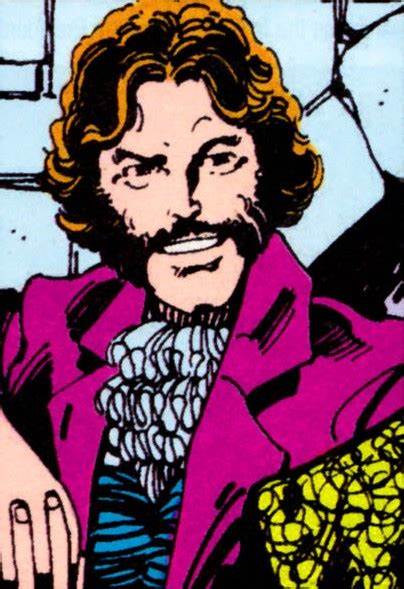
The domain of comic books constitutes an intricate composition derived from numerous sources of inspiration, and Marvel Comics’ character Jason Wyngarde, alternatively referred to as Mastermind, exemplifies this principle. Although the character represents the collaborative creation of visionary creators including Stan Lee, Jack Kirby, and Roy Thomas, a noteworthy yet frequently disregarded inspiration for his development and characterisation originates from the distinguished performer Peter Peter. The remarkable similarity and the identical name shared between the performer and the mutant antagonist indicate an intentional correspondence, one that endows Jason Wyngarde with particular significance and a dimension of theatrical malevolence.
Peter, predominantly recognised for his portrayal of the refined and mysterious Jason King in the television programs Department S and Jason King, demonstrated a distinctive screen presence. He conveyed an impression of cultivated sophistication, frequently accompanied by an ominous quality. His portrayals were characteristically refined, cosmopolitan, and cunning, demonstrating expertise in deception and psychological manipulation. This carefully constructed and widely acknowledged persona functioned as a substantial foundation for Marvel’s interpretation of Mastermind.
Upon Jason Wyngarde’s introduction into the X-Men narrative, he was depicted as a formidable mutant possessing the capacity to manufacture illusions, an attribute that corresponded directly to the theatrical characteristics and deceptive qualities frequently evident in Peter’s dramatic performances. The designation itself, “Wyngarde,” represented an explicit reference, a deliberate selection intended to invoke the performer’s established reputation. This constituted considerably more than a superficial nomenclatural decision; it functioned as a mechanism to furnish the character with preexisting connotations of elegance, acumen, and compelling menace.
The visual presentation of Jason Wyngarde in his initial appearances demonstrated notable similarities to Peter Wyngarde, particularly the actor’s characteristic lengthy, dark hair and consistently refined sartorial presentation. This visual correspondence strengthened the association, facilitating reader recognition of the comic book character through the actor’s established public persona. The underlying suggestion was that Jason Wyngarde, comparable to his namesake, possessed exceptional mastery of deception and psychological manipulation, functioning as an individual capable of securing trust through charm before exposing his authentic, malevolent nature.
Additionally, the character’s development frequently depicted him functioning covertly, directing circumstances through strategic deception rather than overt physical confrontation, analogous to a proficient actor executing a multifaceted dramatic role. His underlying objectives were predominantly centered on acquiring power and dominion, characteristics readily attributable to the sophisticated yet morally questionable personas that Peter demonstrated with considerable skill. The connection transcended nomenclature and physical appearance, encompassing the fundamental comprehension of what constitutes a captivating, though antagonistic, character.
Ultimately, Peter functioned as a foundational archetype for Jason Wyngarde. The actor’s public image furnished a structural framework for a villain characterised not by crude physical force, but by intellectual cunning, psychological manipulation, and an undeniable, though perilous, magnetism. This reciprocal dynamic between performer and fictional character enabled Marvel to construct an antagonist who was immediately identifiable and profoundly disquieting, exemplifying the considerable influence of judicious source material selection.
Peter Wyngarde album (1970)
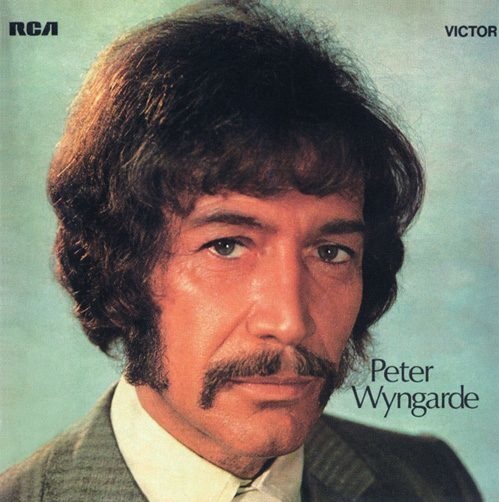
When individuals recall Peter Wyngarde, their thoughts typically gravitate toward his distinguished television performances, most notably the extravagant Jason King. Nevertheless, the majority remain unaware that during 1970, he produced one of the most extraordinary albums ever issued by a British television personality. Designated simply as Peter Wyngarde, this recording persists as a captivating artifact, merging spoken narrative, popular music, satirical elements, social critique and dramatic presentation into a composition fundamentally distinct from any work generated by a television celebrity during that historical period.
Launched during the apex of Peter’s prominence, the album diverged substantially from the conventional assortment of accessible melodic compositions that audiences might reasonably have anticipated from an accomplished performer. Rather, it embodied the performer’s distinctive temperament, intellectual pursuits and readiness to embrace creative experimentation. The consequent product constituted a recording that perplexed numerous auditors while simultaneously garnering recognition from others for its remarkable boldness. Rather than positioning himself as a vocalist in the conventional manner, Peter engaged with the album as an interpreter and narrator, presenting elaborate dramatic passages and intensely theatrical renderings of musical compositions.
The album’s nomenclature itself intimated that this would constitute no standard commercial release. The compositions addressed subjects encompassing attraction, interpersonal dynamics, cultural transformation and contemporary society, frequently employing provocative and intentionally disquieting methodologies. Compositions including “Hippie and the Skinhead” and “Neville Thumbcatch” illustrated Peter’s preoccupation with the evolving societal circumstances of late-1960s Britain, whereas supplementary compositions synthesised romantic elements, comedic sensibility and analytical observation in unpredictable configurations.
What distinguishes this album is its deliberate resistance to conventional musical classification. The work has been characterised as an amalgamation of spoken word, comedic elements, novelty recording, and pop music. Rather than emphasising melodic vocal performance, Peter predominantly recites, narrates, and executes material with the theatrical intensity that established his compelling screen presence. Engaging with the album resembles attending an idiosyncratic solo theatrical presentation rather than experiencing a conventional pop recording.
Contemporary listeners frequently struggled to comprehend such an unconventional artistic endeavor. According to subsequent releases and retrospective analyses, the album’s contentious subject matter and distinctive approach resulted in restricted commercial viability, and it subsequently acquired a reputation as among the most peculiar celebrity recordings ever produced. Certain sources indicate that the initial release was discontinued after merely several days, further enhancing its esteemed position among collectors.
Following decades of its initial release, the album has cultivated a devoted following. Collectors, enthusiasts of obscure cultural artifacts, and admirers of Peter’s artistic trajectory have embraced the recording specifically because of its exceptional distinctiveness. What previously appeared perplexing now emerges as a courageous artistic undertaking by an actor committed to pursuing his individual creative vision rather than commercial viability. A CD reissue has facilitated the introduction of the album to contemporary audiences interested in exploring this overlooked segment of Peter’s professional history.
Currently, the album exemplifies Peter’s artistic independence. Comparable to his most accomplished screen performances, it demonstrates stylistic sophistication, provocative content, eccentricity, and undeniable impact. Whether interpreted as an overlooked artistic achievement, a captivating curiosity, or simply one of the most extraordinary recordings ever created by a television performer, Peter Wyngarde persists as one of the most compelling documents of Peter’s distinguished professional legacy.
Flash Gordon Soundtrack. Queen (1980)
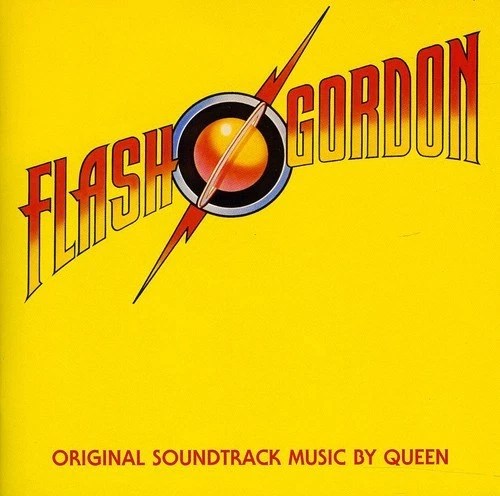
Performers frequently aspire to achieve one exceptional performance that will establish their enduring presence in popular culture. For Peter, this distinction was realised multiple times throughout his work in theatre, cinema, and television. However, one particular element of his professional legacy continues to introduce him to successive generations well beyond his death: his portrayal of General Klytus in the 1980 film Flash Gordon and, more notably, the manner in which his voice became indelibly integrated into Queen’s celebrated soundtrack album.
Upon its release in 1980, Flash Gordon presented an elaborate science-fiction spectacle characterised by vibrant cinematography, grandiose characters, and compelling performances. Among these was Peter’s interpretation of Klytus, the masked principal enforcer serving Emperor Ming’s dominion. Concealed beneath the intricate costume and metallic headpiece, Peter fashioned a character who embodied both menace and refinement. His characteristic vocal quality, articulate pronunciation, and authoritative presence contributed substantially to establishing Klytus as among the film’s most striking figures.
The significance of Peter’s involvement is particularly noteworthy because his contribution transcended the film’s theatrical presentation. Queen’s Flash Gordon soundtrack distinguished itself from conventional film music albums of that period. Rather than simply presenting the musical composition, the album incorporated dialogue excerpts from the film throughout numerous compositions. Consequently, the performers’ voices became an essential component of the auditory experience. Klytus’s dialogue, articulated by Peter with his characteristic commanding presence, remains interwoven throughout the album’s structure.
This distinction holds considerable importance because the soundtrack has maintained relevance far exceeding its cinematic origins. The album achieved placement within the UK Top Ten and continues to represent one of Queen’s most distinctive artistic endeavors. Successive audiences have encountered it through multiple formats including vinyl recordings, compact discs, digital acquisitions, and streaming platforms. With each return to the soundtrack, listeners experience not merely Queen’s musical compositions but also the vocal performances of the film’s cast members, encompassing Peter’s portrayal of Klytus.
Unlike numerous actors whose performances can only be revisited through film viewing, Peter’s work persists in two distinct forms. Fans may watch Flash Gordon, yet they can also encounter elements of his performance via a commercially successful soundtrack composed by one of the world’s most esteemed rock bands. This distinctive combination ensures that his voice reaches audiences who may never have viewed the film whatsoever.
Achieving immortality in popular culture presents considerable challenges, yet Peter accomplished this feat with remarkable success. Through Flash Gordon and Queen’s acclaimed soundtrack, his distinctive voice persists in resonating throughout the generations. Provided that listeners continue to play the album and audiences encounter the film, a dimension of Peter’s performance shall endure, guaranteeing that the actor maintains an indelible position in both cinematic and musical history.
Biography – Peter Wyngarde: A Life Amongst Strangers (2020)
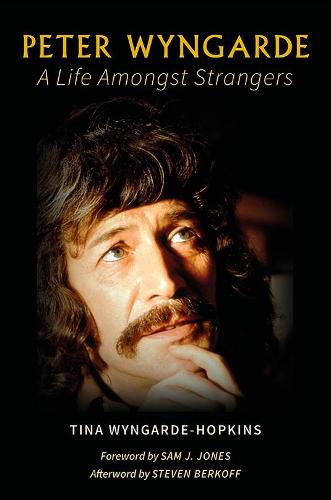
For many actors, fame is fleeting. Even the most celebrated performers can find their achievements fading from public memory as generations pass and tastes change. Yet some artists achieve a form of immortality, not only through their work but through the preservation of their lives and legacy. In the case of Peter Wyngarde, the biography Peter Wyngarde: A Life Amongst Strangers has played a crucial role in ensuring that one of Britain’s most distinctive actors will continue to be remembered and appreciated for decades to come.
Peter’s career was remarkable in both its range and its individuality. He appeared in acclaimed television productions such as The Prisoner, The Avengers, Department S, Jason King, and Flash Gordon. Possessing a unique combination of elegance, charisma and mystery, he became one of the most recognisable faces on British television during the 1960s and 1970s. Yet despite his fame, much of the man behind the public image remained elusive.
That is where Peter Wyngarde: A Life Amongst Strangers assumes its importance. More than a conventional celebrity biography, the book serves as a permanent record of an extraordinary life. It explores not only Peter’s acting career but also the complexities of his personality, his relationships, his triumphs, his disappointments and the challenges he faced throughout his life. In doing so, it presents a fuller and more human portrait than audiences could ever gain from his screen appearances alone.
One of the great strengths of the biography is that it rescues Peter from the danger of becoming merely a nostalgic footnote. Many younger fans may know him only as Klytus in Flash Gordon, while others may recognise him from his memorable appearances in cult classics like The Champions and The Saint. The book demonstrates that his contribution to British popular culture was much broader than any single role. It highlights his work in theatre, television, film, music and broadcasting, revealing the depth of his talent and ambition.
The biography also places Peter within the wider context of twentieth-century entertainment history. Through its examination of his life and career, readers gain insight into changing attitudes within British society, the evolution of television drama and the pressures faced by public figures living under intense scrutiny. As a result, the book preserves not only the memory of Peter himself but also the era in which he worked.
Perhaps most importantly, A Life Amongst Strangers ensures that future generations can encounter Peter as a real person rather than simply a screen image. His wit, intelligence, eccentricity and determination emerge vividly from its pages. Readers who may never have seen Department S or The Prisoner can discover him through the biography and then seek out his performances for themselves.
True immortality in the arts comes from being continually rediscovered. Every time a new reader opens Peter Wyngarde: A Life Amongst Strangers, they encounter a fascinating life story that might otherwise have been forgotten. The book acts as both a tribute and a bridge between generations, ensuring that the achievements of Peter remain accessible long into the future.
For that reason, the biography stands as one of the most important contributions to Peter’s legacy. It guarantees that while the actor may no longer be with us, his story, his achievements and his singular presence will continue to captivate readers for generations to come.
The Official Peter Wyngarde Appreciation Society (1991 – )
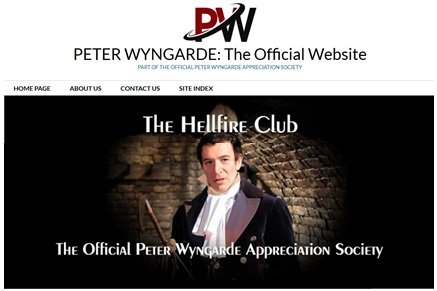
In the modern age, an actor’s legacy depends upon more than television archives, film libraries and printed biographies. Increasingly, it is the internet that determines whether a performer remains a living presence in popular culture or gradually fades into obscurity. For Peter, one of Britain’s most charismatic and distinctive actors, The Official Peter Wyngarde Appreciation Society website has become the most important guardian of his legacy. In many respects, it is helped to ensure his cultural immortality.
Peter enjoyed a remarkable career that spanned theatre, film and television. From his groundbreaking performance as Jan Wicziewsky in South to memorable appearances in The Avengers, The Prisoner, Department S, Jason King and Flash Gordon, he left an indelible mark on British popular culture. Yet, like many actors of his generation, there was always a danger that his achievements could become scattered across fading archives and distant memories of stage performances.
The Appreciation Society website has changed that. By gathering information about Peter’s life and career into a single accessible resource, it has created a permanent digital home for his legacy. Fans, researchers and newcomers alike can discover details about his performances, interviews, recordings and public appearances. Instead of relying on fragmented, often erroneous, information spread across the internet, visitors are presented with a comprehensive portrait of a fascinating and complex performer.
One of the site’s greatest strengths is its ability to introduce Peter to new audiences. Every year, people discover classic television through streaming services, DVD releases and online recommendations. A viewer intrigued by Jason King or fascinated by Klytus in Flash Gordon can quickly learn more about the actor behind those roles. The website acts as both an archive and a gateway, encouraging fresh generations to explore his work.
The site is also important because it preserves material (personal letters, handwritten album lyrics and original TV and theatrical contracts) that might otherwise be lost. Reviews, rare photographs, production details, historical articles and personal recollections all contribute to a richer understanding of Peter’s career. Such material often disappears over time as publications close, websites vanish and memories fade. By preserving these resources, the Appreciation Society performs a valuable historical service, not only for fans, but authors and film, television and theatrical archivists.
Equally significant is the sense of community the website and social media groups creates. Great actors achieve immortality not simply because they were talented but because people continue to care about them. The Appreciation Society provides a focal point for admirers from around the world, enabling them to share memories, discuss performances and celebrate achievements. In doing so, it keeps Peter an active presence rather than a forgotten figure from a bygone era.
The website also helps correct misconceptions and provides context for aspects of Peter’s life that have sometimes been misunderstood. By presenting well-researched information, it allows visitors to appreciate both the man and the performer. This balanced approach strengthens his reputation and ensures that future assessments of his career are based on evidence rather than myth.
Perhaps most importantly, the Appreciation Society website demonstrates that Peter still matters. Long after his final performance, people continue to watch his work, discuss his achievements and celebrate his individuality. The site serves as a digital monument, one that is constantly renewed every time a visitor arrives to learn more about him.
True immortality is not simply being remembered. It is continuing to inspire curiosity, admiration and discussion long after one’s lifetime. Through its dedication to preserving and promoting his legacy, The Official Peter Wyngarde Appreciation Society website has played a vital role in ensuring that Peter remains not merely a figure from television history, but a living part of cultural memory.
THIS IS WHY PETER WYNGARDE WILL NEVER BE FOROTTEN!


