REVIEW: They’ll Arrive Tomorrow

International Season – The Irvine Theatre: June 1952

The Story

Focus on Jonah

Above: A caricature of Peter from ‘Punch’ magazine, June 1952

Critics Comments

REVIEW: The Duel

Presented by Stephen Michell Theatre Productions Ltd. at the Theatre Royal, Brighton: March 1968 and at The Duke of York’s Theatre, London – May 1968.

Character: Nicolay Von Koren

The Story

Anton Chekov didn’t pen many plays, although those he did write became extremely popular on Forties and Fifties radio, and in the Sixties on television. All did remarkably well – perhaps because these were the mediums that the author would’ve used at the time of writing if they’d been available to him. Short stories are often themselves well suited to forms of restraint. Director and adaptors, it would seem, were drawn to Chekov’s work because of the apparent ease in which the playwright could make an otherwise inert situation glow with interest.

When it came to the theatre, however, it was a different matter. Unoriginal as it may be to say so, if Chekhov had wanted his (longer) short story, ‘The Duel’, to have been a play, he’d surely have written a play. And this production showcased at the Duke of York’s by an Iowan PhD, Jack Holton Dell, whilst a capable job, makes it all the clearer that Chekhov was right.

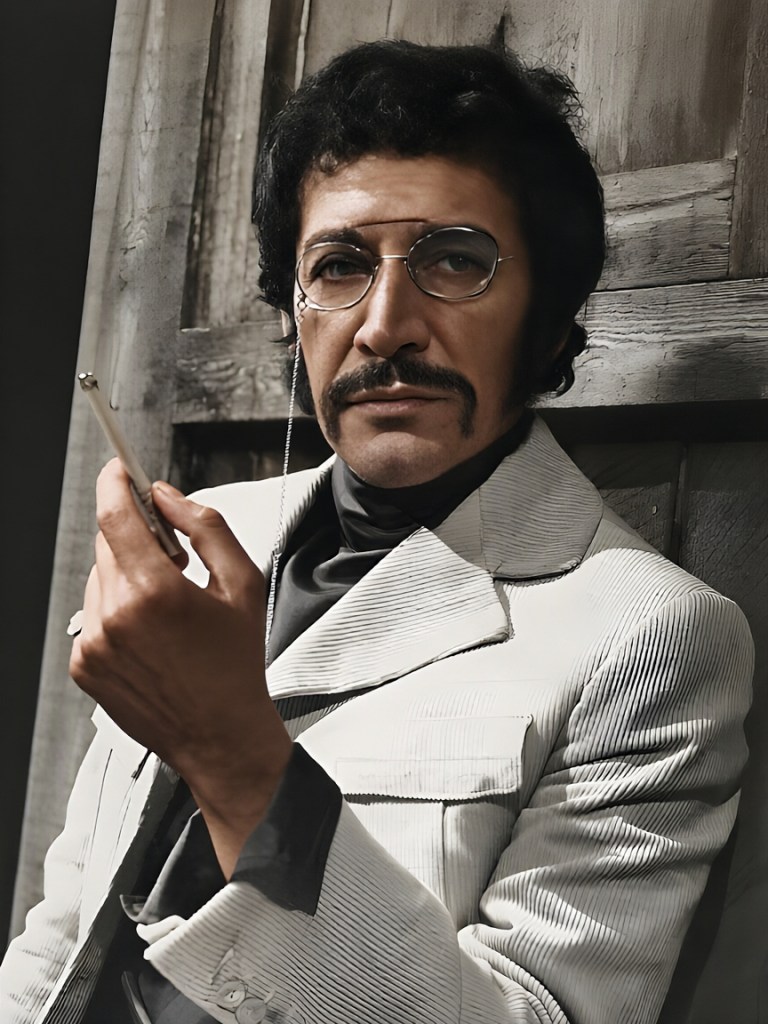
Right: Peter as Von Koren

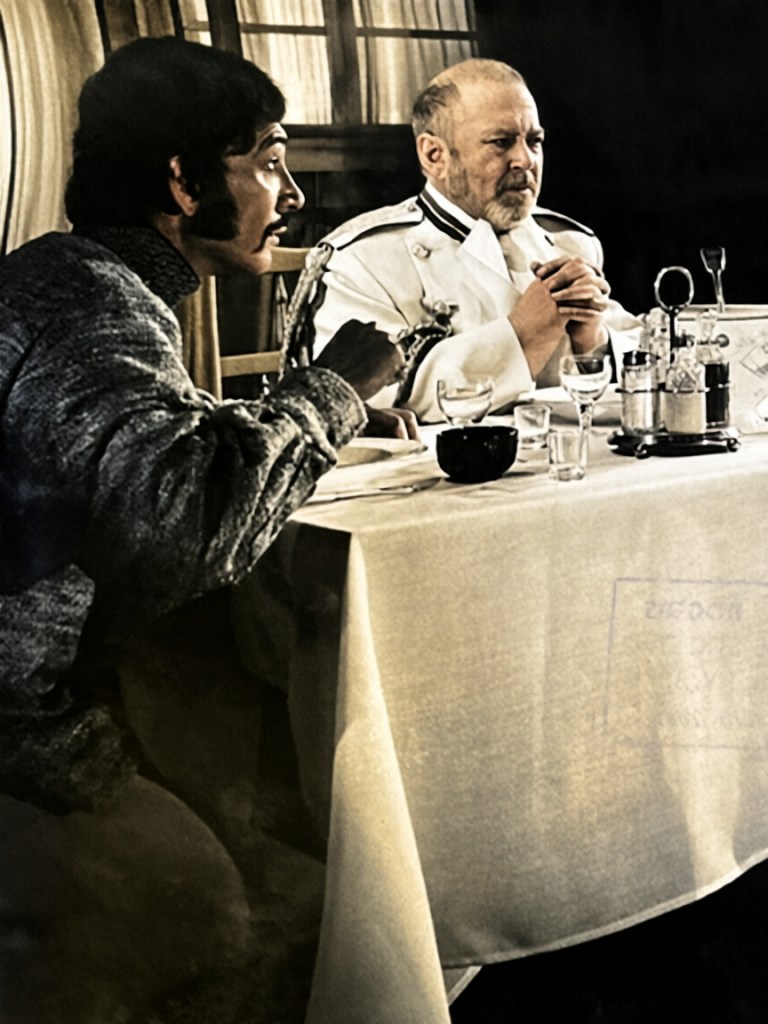
In the open scenes the typically Chekhovian characters and ingredients are all there – at least on the surface. A gauze backdrop representing a heaving stretch of the Black Sea coast rises to reveal a proverbial summer residence; its windows and doors thrown open to catch the breeze.

We now find ourselves in a Caucasian resort in the long hot summer of 1891. Here, in a sleepy and specific moment of time, where the cross-currents of lives which had been gently slumbering are about to be awoken.

There’s Alex Samoylenko (James Hayter) – a laid-back and welcoming ex-military physician, played by James Hayter; Marya Konstentine (Elspeth March), a hectoring and tightly-corseted matron, her husband and daughter, Katya (Janet Hannington), plus the self-important officer, Igor Kirilin (John J. Carney), who fancies his chances with the young lady.

In addition, we have Atchmianov (Anthony Watkins) – a draper, and Pobyedov (Lewis Fiander), an likable virginal deacon. Also into this provincial backwater, the author throws in three interlopers: André Laevsky (Michael Bryant) – a liberal arts graduate, who is pining for his hometown of Moscow and Nadya Federovna (Nyree Dawn Porter) – whom he’s been involved with for several years. And as if for good measure, there’s Nickolay Von Koren (Peter Wyngarde) – a German Marine Biologist with Nietzschean-Nazi ideals about the future of the race, and who has spent the summer on the Black Sea studying the development of the jelly fish.

Naydya, it occurs, is a married woman – only her husband is dead, tho’ her lover hasn’t got around to telling her yet. The two have been on the run for two years, and now as he reaches a high point of frustration with the affair, she takes other lovers and run up a series of debts at Atchmianov’s shop. Together the two have caused a public scandal by “fornicating” in the Black Sea waters.

Thunder rumbles occasionally off stage, which signifies that we’re at the wonderfully clear point of time before the storm breaks. The play’s theme tangles around love and violence as a means to an end. It’s a affecting essay in human foolishness and objectives; in other words, what is probable and what is possible. Expressed in those generous yet mildly scornful terms in which Chekhov saw his fellow man, it made appealing viewing.

The play produced so many unswerving similarities with the immediate past. For instance, isn’t it our own society – distressed and dazed by its own freedoms, disgusted at its own liberalism – that is correspondingly keen to find a Nicolay Von Korden within its number? This campaigning botanist, preaching his scientific tyranny; haven’t we heard his deadly logic before – pre-1939? Don’t some, even good liberal souls such as Deacon Pobyedov here, flirt dangerously with its persuasive strength as a welcome relief from all the indecisiveness and gloom around us now?

The splendour, of course, flows from the Chekhov essence of the piece – a flavour faithfully re-created by the author and given the understated quietness of portentously repressive emotion by director, Norman Marshall. I got a feeling of a mood preserved moments before it crumbled to dust; like an autumn leaf caught in full beauty just before its irreversible decay.

In Retrospect

It never ceases to amaze me how many of Anton Chekhov’s unhurried 19th Century reflections find their echo in the commotion of the present day. Watching his expressive creations eat out their hearts and act out their predicaments on stage takes on an almost self-absorbed fascination, like watching our modern condition reflected in a stylishly gilt, but slightly grubby mirror.

DUELPOSTER

I must admit, though, to a complete and inexcusable ignorance of the Chekhov novel on which Jack Holton Dell had based ‘The Duel’. Consequently, with all the fewer trees with which to see the wood, I was able to judge it on the theatrical entity in itself. No side-tracking round to check whether or not the author had remained true to the original. And as a play, it hit me as a thing of unique splendour and arresting significance.

(Left): An original poster from the Duke of York’s Theatre.

Only hours before I saw a recording of this play, I’d watched some archive film footage from the Seventies and one hitherto rational fellow human being uttered the statement: “Student demonstrators! They ought to shoot a few. That would stop all the violence!” The speaker doubtless imagined himself as deeply rooted on the side of law and order as Nickolay Von Koren does when he speaks out so fervently and convincingly against the freedom of individuals to follow their individuality. His damnation of André Laevsky and Nadya Federovna for their chaotic emotions was a tremendous feat of twisted truths.

Peter made out of it a towering piece of theatre, as he did with the whole role. It was little wonder watching his handsome menace, that Laevsky, the object of his fervent hate, says: “Tomorrow the world will be run by men like him; and we will be the ones who put him in power.”

There were, however, a number of questions and puzzlements with which I was left. For instance: after the Deacon has illustrated the virtues of light through love, Von Koren on his world of superior men, and Madam Konstantine on the dangers of moral corruption, there is an abusive argument between Laevsky and Von Koran, but no apparent reason is given for the subsequent duel, during which Laevsky is shot in the neck. All we get is a blackout! That’s it.

We’re told that Laevsky and Nadya are to be married. Why? Has the Deacon, who had been seen as a religious buffoon, now become a considerable spiritual authority? Had the bullet from Von Koren’s pistol, perchance, softened Laevsky’s brain? Or might the scientists’ assault on his character compelled him, shuddering and quaking, into the obsessional arms of Nadya? He is, we’re invited to believe, a changed man, but are provided no real reason why.

Perhaps Chekhov’s translation is clearer in the original story, but it was most certainly a serious flaw in the play.

Press Article

The Sunday Times: 5th May, 1968 

Associated Items

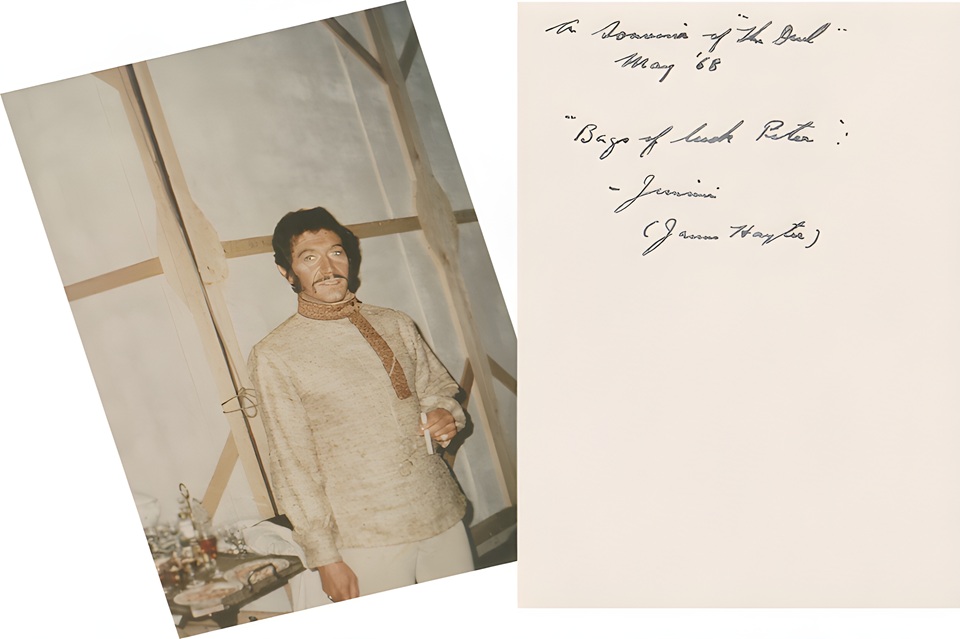
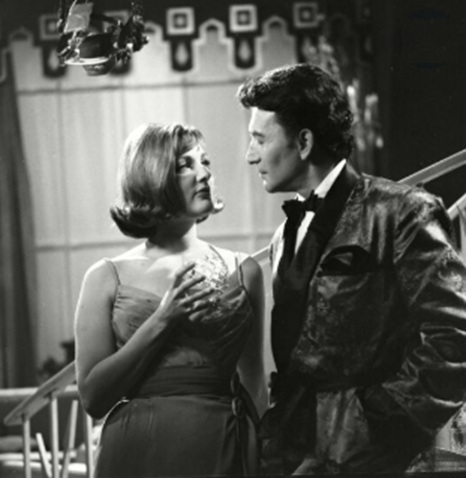
Peter in his dressing room at the Duke of York’s Theatre, London. The photograph was taken by James Hayter (who played Alex Samoyenko in ‘The Duel) and is signed and dedicated by him on the back. It was here that Peter was first introduced to Joel Fabiani – his future ‘Department S’ co-star.

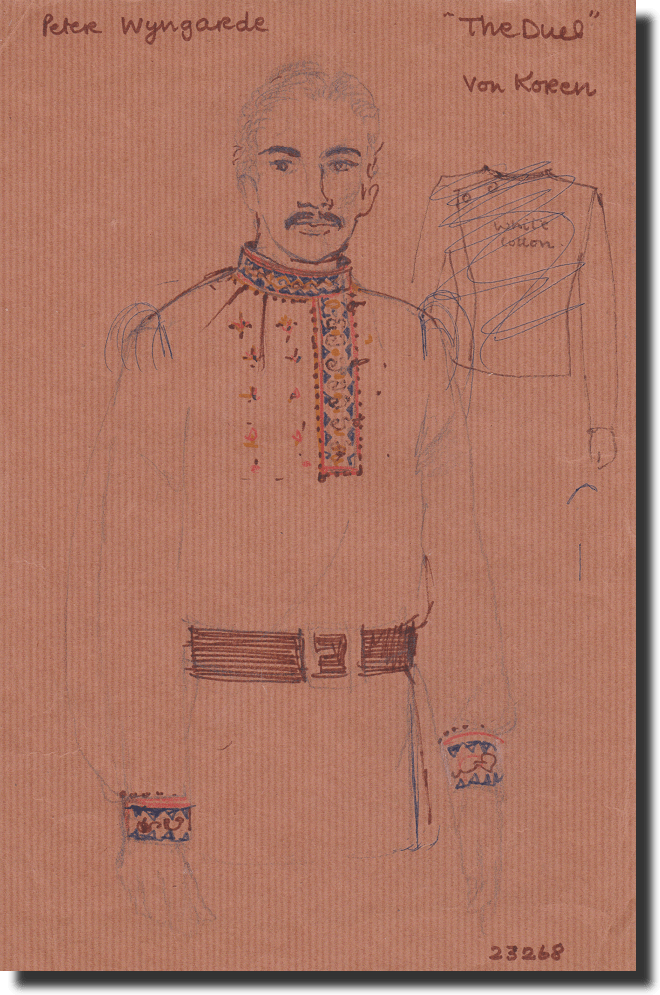
Original sketches of Peter’s costume in (left) Pen & Ink and, (right), watercolour.

SCRIPTDUEL

Above: Peter’s copy of the script showing amendments and additions in his own hand.

CHEAT.jpg

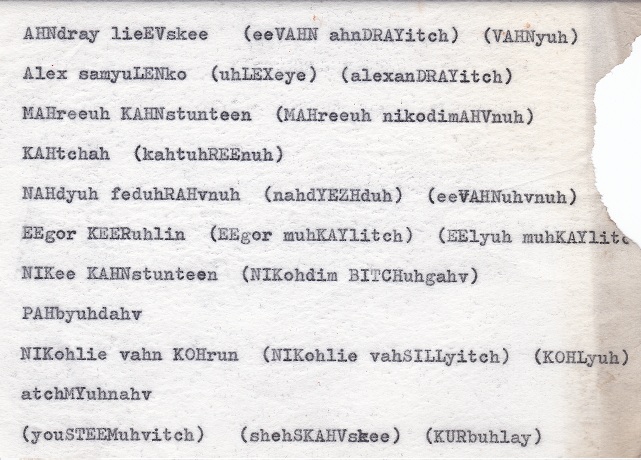
Above: This is a copy of an supplementary sheet that was added to Peter’s script to help with the pronunciation of certain Russian names and words.

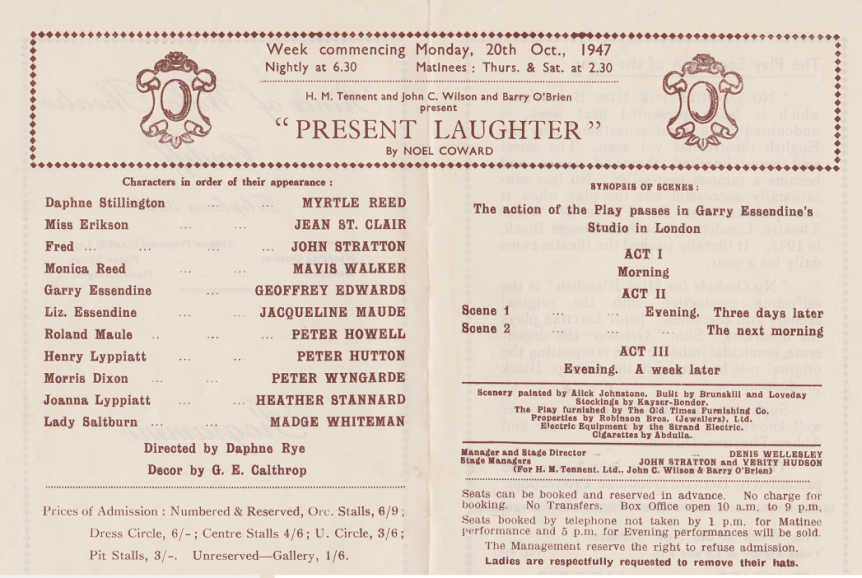
REVIEW: Present Laughter

The Story

Act I

  • Scene One: Morning

Act II

  • Scene One: Evening. Three days later.
  • Scene Two: The next evening.

Act III

  • Scene One: A week later.

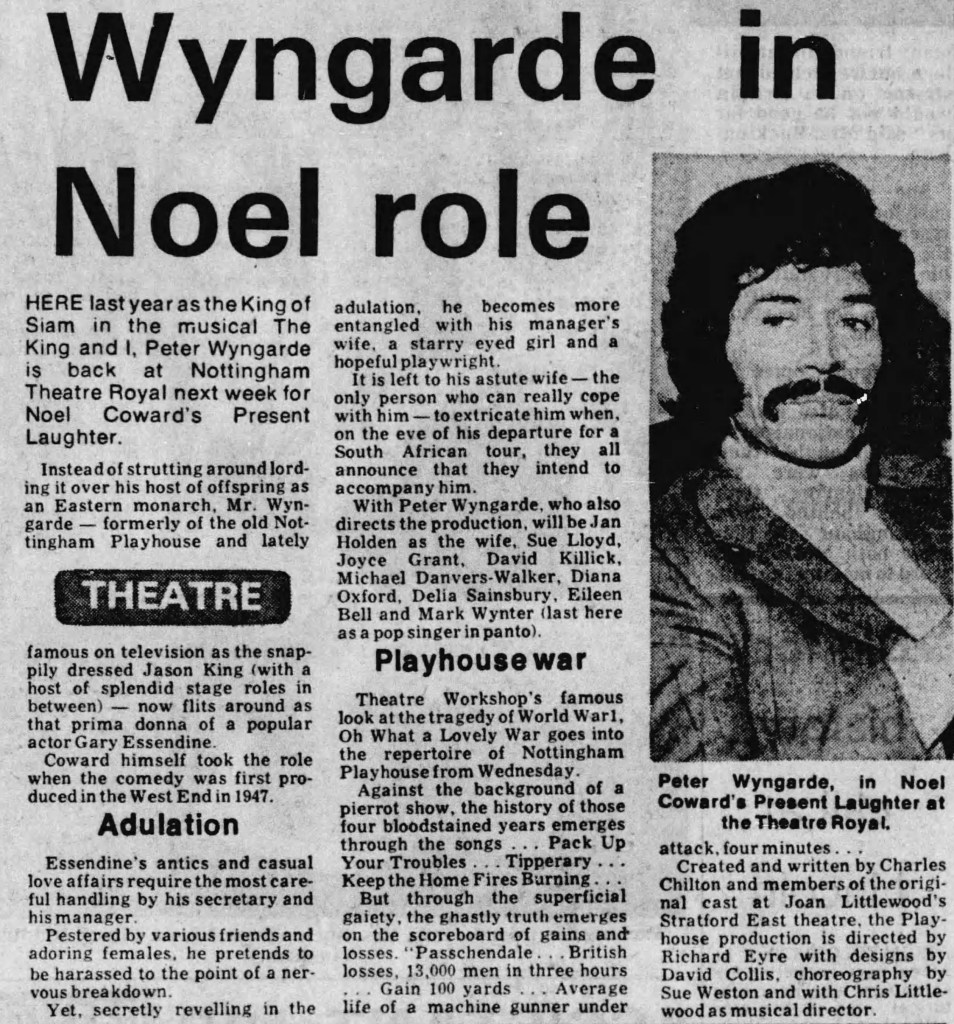
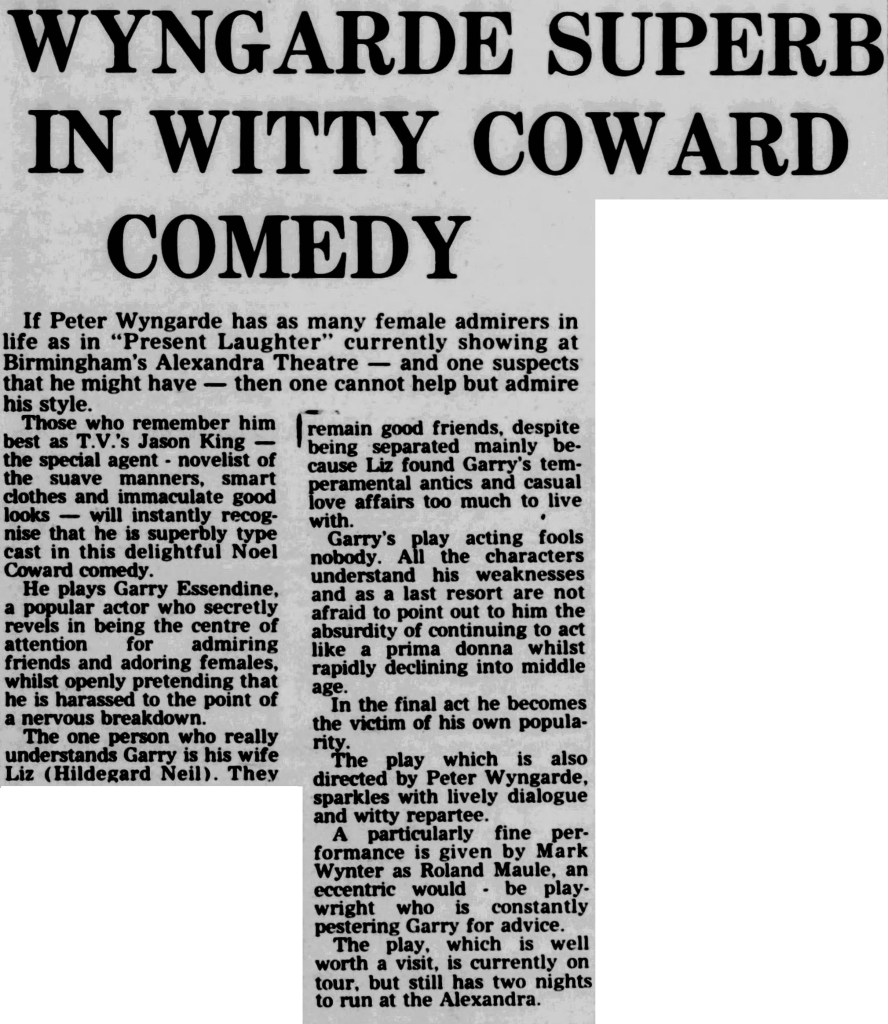
Left: Peter on stage as Essendine during the 1974 British tour.

Focus On Morris Dixon

Left: Taken from the Yvonne Arnaud Theatre programme. The play was performed there between 28th October and 15th November, 1975.

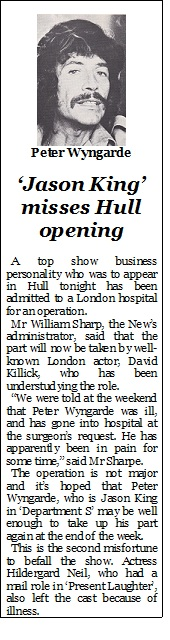
Above: From The Hull Daily Mail

REVIEW: Mother Adam

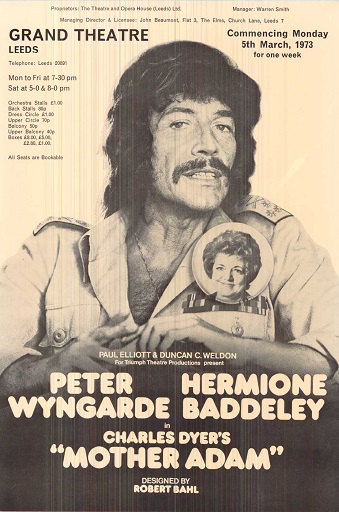
Presented by Triumph Productions Ltd. British tour: 1973

Character: Adam

The Story

The action takes place in Adam’s Mother’s bedsitter in a cathedral town . The museums is nearby. The time is the present day.

This production of Charles Dyer’s third play in a trilogy on loneliness which began in 1963 “This is a story of a man and his mother, of courage and optimism: of how Adam becomes a saint… nearly!”

It is the present in Mammle’s attic, a Sunday in a cathedra town. The museum is nearby.

This production of Charles Dyer’s third play in a trilogy on loneliness which began in 1963 “This is a story of a man and his mother, of courage and optimism: of how Adam becomes a saint… nearly!”

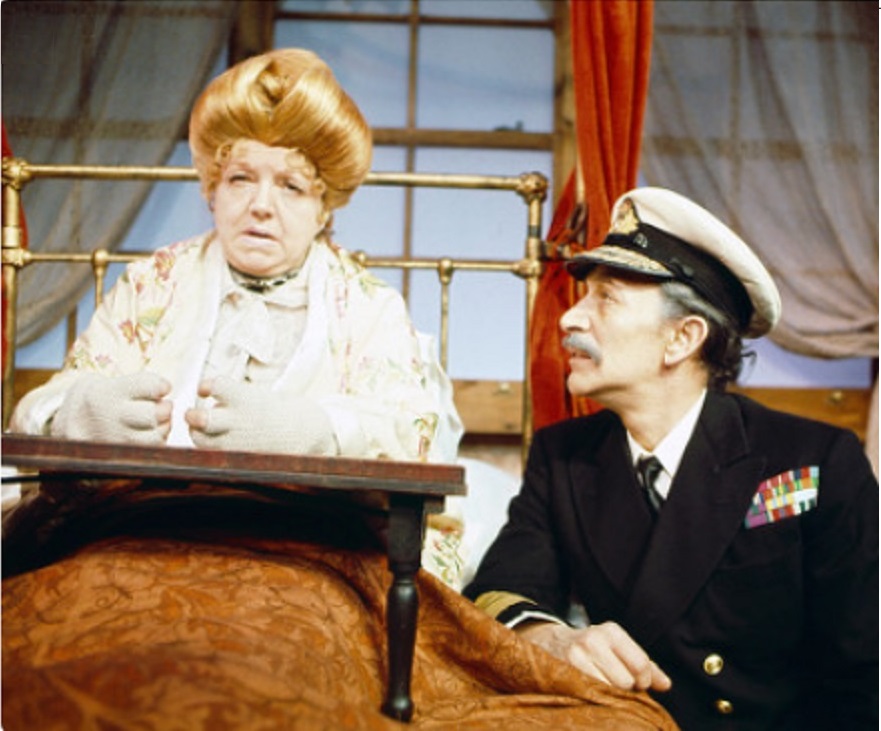
Below right: Peter as Adam, with Hermione Baddeley as his mother.

MOTHERADAM

Audience Opinion

Critics Comments

“…an odd role you might think for Peter Wyngarde. But since the sick-room relationship is kept vital and bearable by the son’s flow of talk and outrageous play-acting, it is an attractively eloquent one for him.” – The Birmingham Evening Mail – January 23rd, 1973.

“Peter Wyngarde gives a performance of near genius – a great actor in the very best sense of the word.” Harold Hobson, Theatre Critic.

“…As for Peter Wyngarde, in this play he approaches with a quiet, unassuming step, very close to greatness.” The Times – January 23rd, 1973.

“…And Peter Wyngarde as her much-mothered son extracts all possible sympathy from an implausible and over-written script.” Eric Shorter – Daily Telegraph January 17th, 1973.

REVIEW: Dracula

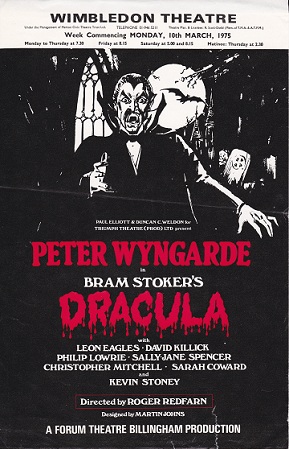
Presented by Triumph Theatre Productions Limited. National Tour: February 1975.

Character: Vivorde Szekels/Count Dracula

The Story

The action takes place in the Main hall of Doctor Seward’s Mental Sanatorium near London in 1924. 

Act I:

  • A late winter evening

 Act II:

  • i. Several days later – dusk
  • ii. The early hours of the following morning
  • iii. The vault

DRAC2 - Copy

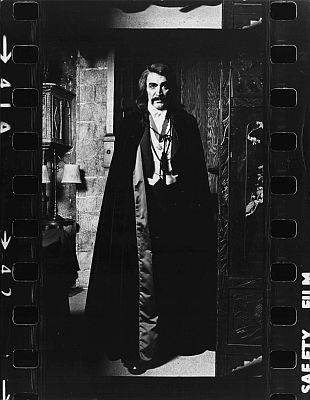
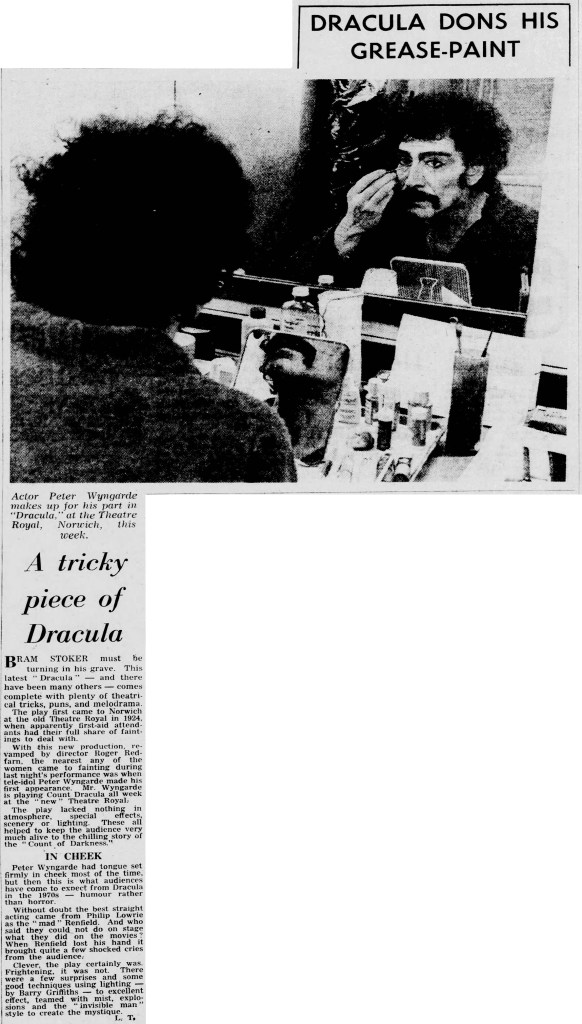
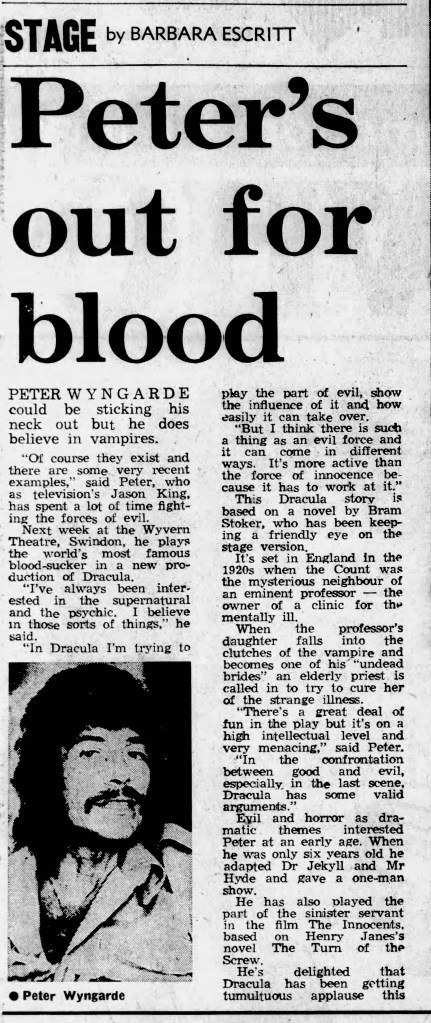
I remember thinking that Count Dracula must be the modern-day Father Christmas as I walked into the Theatre Royal in York on the evening of February 3rd, 1975. The auditorium was filled mostly with teenagers as I recall, with the occasional adult of carefully cultivated nervous dispositions thrown in for good measure, and we all had a great time watching Peter doing his X-Certificate bit with the powers of darkness.

So why did they used to keep the kids away from Dracula and his pals? None of the old films had so many laughable shocks as this touring revival, and not letting the toffee-suckers in to see this would be akin to barring them from a pantomime.

To say that the play was not really scary would deny the success of a series of brilliantly executed stage effects – rats galloping and bats hurtling about to the accompaniment of delighted screams; chairs moving, books opening, doors slamming, darkness falling – all in a variety of interesting ways. But the biggest scare was reserved for the ghost train… with broad daylight and a toffee apple waiting at the other end.

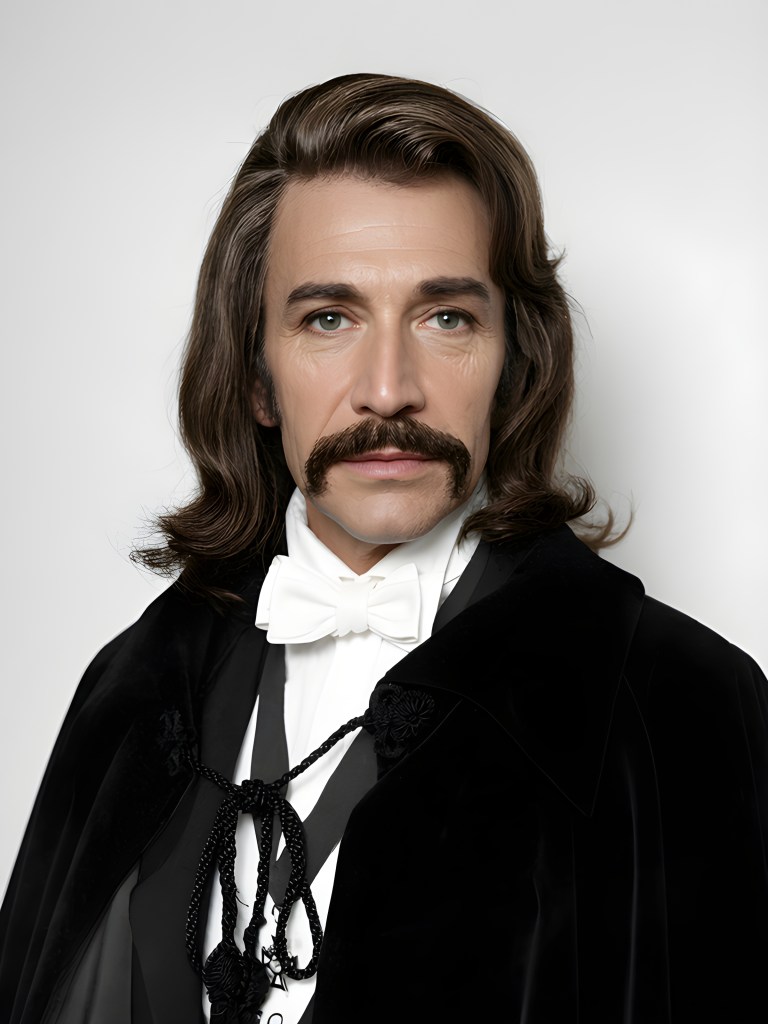
On the impressive Gothic set prepared by the Billingham Forum Workshops, Peter was the master of ceremonies as the Count himself. He didn’t need to act a great deal, but appear and disappear at will in an amazing series of Victorian conjuring tricks.

His face, itself one of the best Gothic facades in show business, might be thought an asset to the part, yet more emphasis appeared to be placed on his scarlet-lined cloak.

The plot was not what could be described as awe-inspiring, switching between extremes of stage fright and long periods when the cast stood around telling each other what was what, who was who, and indeed, who was dead. Yet the audience – myself included – was content enough to wait, and watch Philip Lowrie as the madman Renfield gibbering his way in and out of his padded cell.

The unfortunate man ate rats and insects, raving behind the curtains, was mysteriously bitten on the neck, appeared drenched in blood, and was dragged out screaming: “Fools! Fools! The whole world is mad!”. A likeable character all the same.

Comic relief, should we have still needed it, was the province of David Killick – and army officer/silly-ass type who never quite got round to mentioning the “guaund piauno” but who asks Dracula: “Don’t you drink, old man?”

Leon Eagles played the exorcist professor – the one character to whom we might have looked for a little coolness and perhaps one of the genuine shudders, but he turned out to be the most melodramatic of the entire cast – the Count included!

Occasionally, the dialogue managed to laugh at itself as in Dracula’s comment about Transylvanian wine not travelling well, but more often than not, it was just background noise between the marvellous effects which were designed by Peter himself. He even spoke his great climatic oration as though it didn’t matter, and it didn’t. His stage-presence itself was simply awe-inspiring.

In Retrospect

DRACPOST

Small Bites

20180214_112440

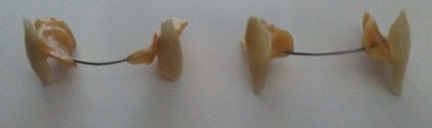
Left: The bespoke fangs that Peter wore whilst playing Dracula

DRACULA1

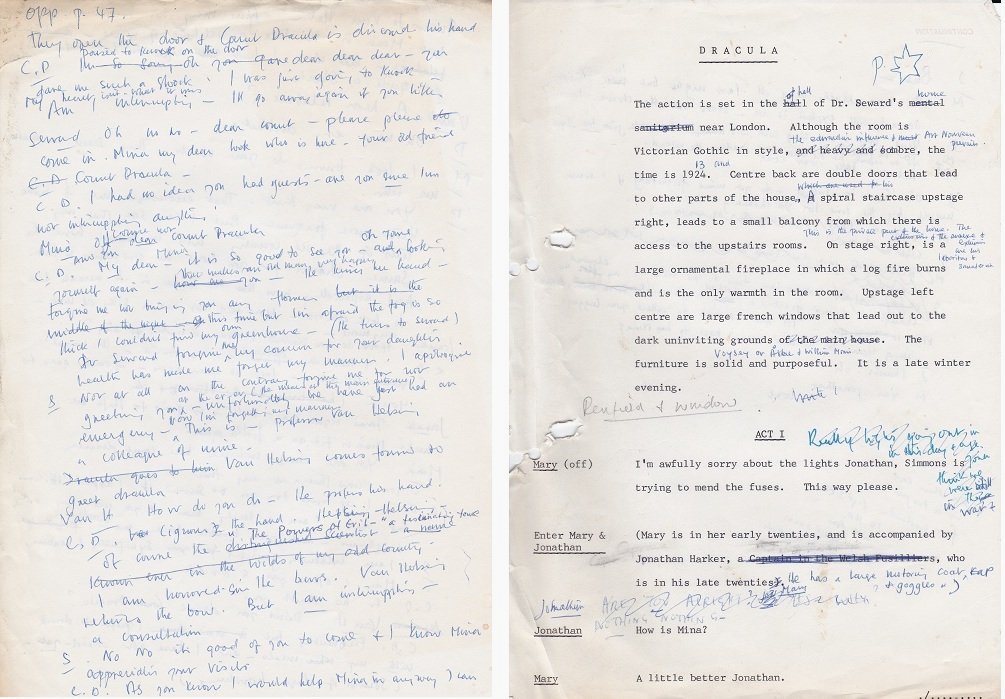
Above: A page from the original script with Peter’s notes and revisions

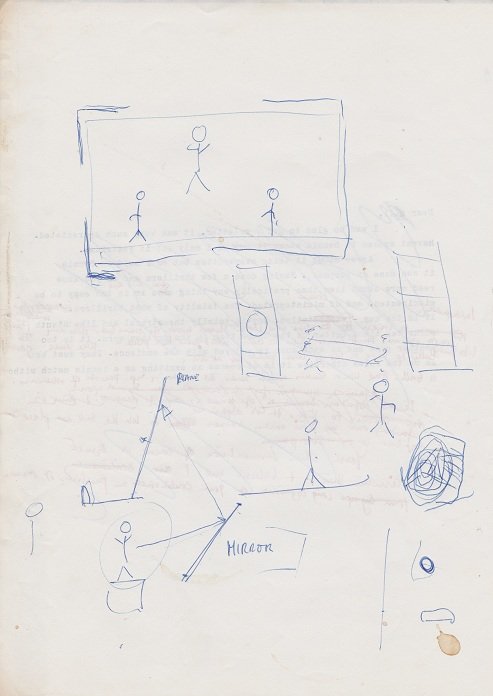
Below: A sketch drawn by Peter to demonstrate how the special effects (using mirrors) in the play would work.

DRACULA

REVIEW: The Good Woman of Setzuan

Presented by the English Stage Company at the Theatre Royal, Brighton and the Royal Court Theatre in London: October 1956.

Character: Yang-Sun

The Story

The play takes place in the Chinese town of Setzuan in the 1930’s

  • Prologue: A street, evening
  • Scene 1 – A Small Tobacco Shop
  • Scene 2 – Wang’s Sewer Pipe by the river
  • Scene 3 – The Tobacco Shop
  • Scene 4 – The Municipal Park
  • Scene 5 – Wang’s Sewer Pipe
  • Scene 6 – The Tobacco Shop

INTERVAL

  • Scene 7 – The Tobacco Shop
  • Scene 8 – A Private Dining Room in a cheap restaurant
  • Scene 9 – Wang’s Sewer Pipe
  • Scene 10 – The Yard behind Shen Te’s Shop
  • Scene 11 – Shaui Ta’s Tobacco Factory

INTERVAL

  • Scene 12 – The Tobacco Shop now an office
  • Scene 13 – Wang’s Sewer Pipe
  • Scene 14 – A Courtroom

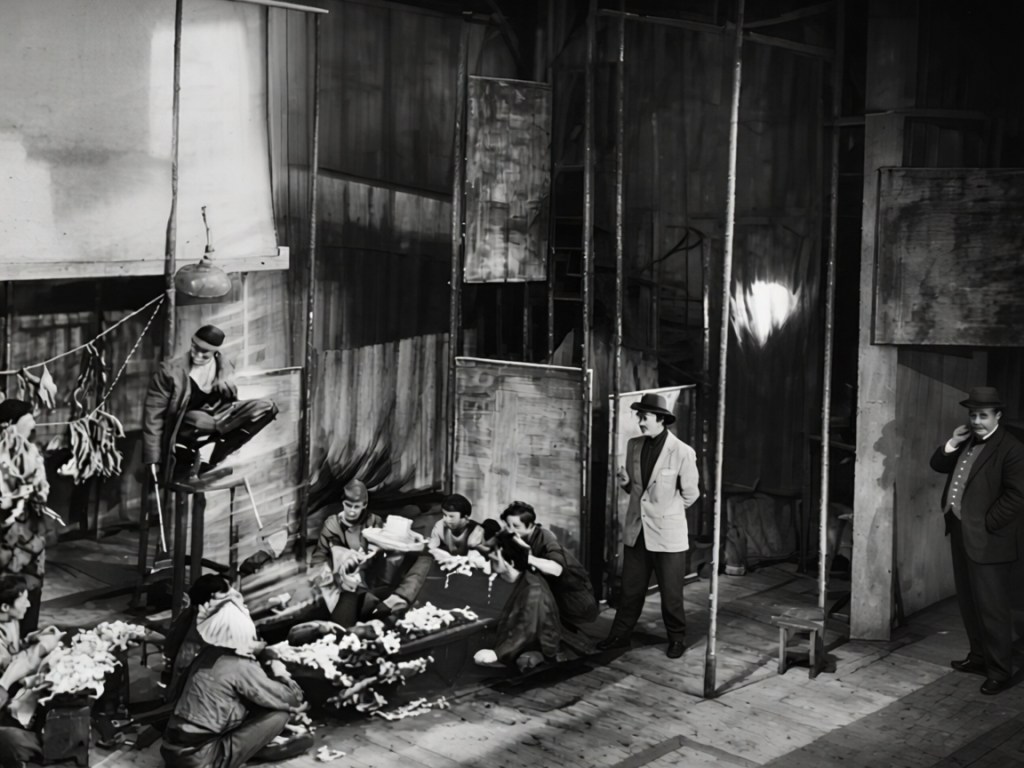
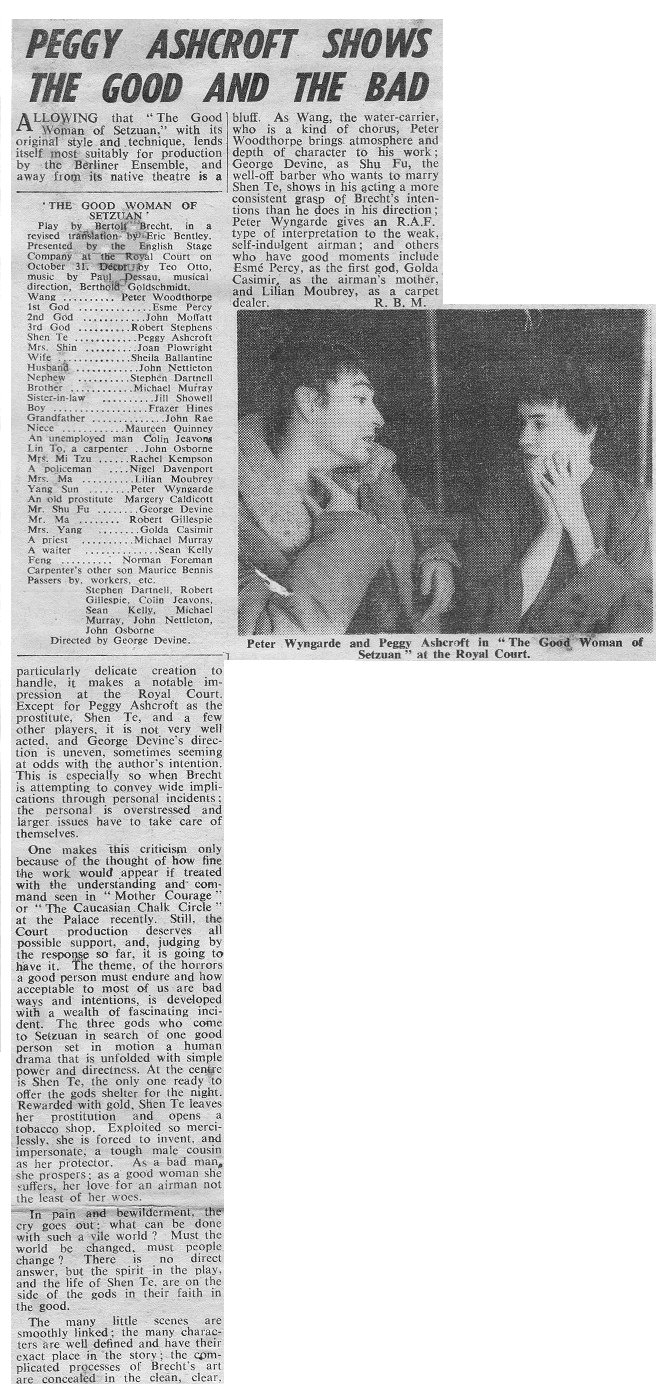
Producer George Devine was surely carrying out his obligations to the audience he had created at the Royal Court Theatre in attempting the first ever professional full-scale production of Bertold Brecht’s play in English. The difficulties were formidable: his stage wasn’t big enough to begin with; nor, in fact, was his resources. The comparatively small number of actors he was able to afford were not, naturally, trained in the kind of acting that Brecht demanded – indeed, some were even expected to take on more than one part. However, the attempt proved well worth making and, even if the difficulties were not fully overcome in this production, the effort was a courageous one and deficiencies were more than compensated for by the performance of Peter Wyngarde, who tackled the difficult role of the good-for-nothing Chinese airman, Yang Sun, both imaginatively and professionally.

The little fable on which the three-hour play was strung is very simple (and none the worse for that!). Three Chinese deities – played by Esme Percy, John Moffatt and Robert Stephens – set out from Heaven on a quest. The world is to be destroyed unless they can find one good man or woman in it. For a time not only are they unable to find a good person – they don’t even meet a bad person with enough enlightened self-interest to pretend to be good! However, just when all appears to be lost, the three gods happen upon the small village of Setzuan, where a poor prostitute by the name of Shen Te takes them in thinking them to be beggars, and offers them food and shelter.

To reward her kindness, the gods give her a bag of gold with which she buys a tobacconists shop, and she is at last able to escape both her old profession and her poverty. As with so many prostitutes in fiction, Shen Te (Peggy Ashcroft) has a heart of gold, and as might be expected, some of her less scrupulous neighbours seize upon the opportunity to take advantage of her good nature, preying on her hospitality and eating her out of house and home.

27540624_1701281749922449_2006628932950249163_n

At last she is forced to invent a tough male cousin, Shui Ta (herself in disguise) who, with the help of a policeman, drives the rabble from the shop. As herself, she falls in love with Yang Sun (Peter Wyngarde), an unemployed pilot and promises to find him the large bribe necessary to buy himself into a job. However, as her male cousin and protector, she discovers that the airman is only using her for his own ends, but by now she has not only been betrayed and exploited, but is pregnant by him too!

Nevertheless, as the tough ruthless male, she flourishes, and after setting up a tobacco factory, installs the pilot as her foreman who, by grinding down the poor, makes a fortune for his employer. Wickedness, it appears, is always rewarded whilst goodness is trampled upon.

YANGSUN

Knowing that Shen Te has a stake in her cousin’s thriving business, Yang Sun accepts her proposal of marriage, and a wedding party is arranged to take place at the tobacco factory. But when the pilot discovers that his intended bride knows of his deception, he attempts suicide. In spite of his dishonesty, Shen Te takes pity on the weak, self-indulgent airman when she finds him about to hang himself in the woods. Sitting under a tree in the rain, she diverts him with a charmingly told ‘Story Of The Cranes’.

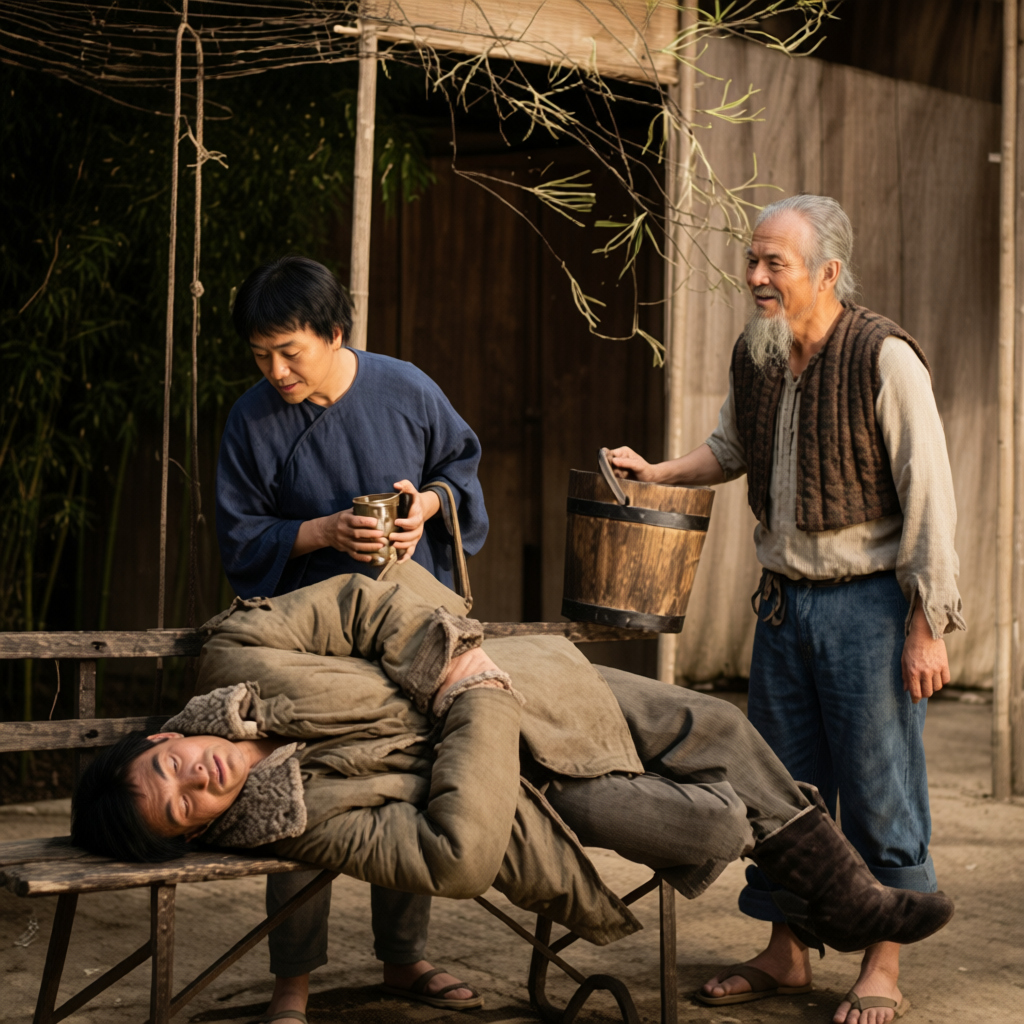
During the coming weeks, She is forced more and more frequently to adopt the guise of Shui Ta in order to keep her pregnancy a secret – until it seems that Shen Te has disappeared altogether. Convinced that the vile factory owner has murdered his friend, Wang the water carrier (Peter Woodthorpe) confides in the local barber, Shu Fu about Shen Te’s disappearance. Since Shu Fu (George Devine) is himself in love with Shen Te, and enlists the help of Yang Sun, who on learning that his lover is pregnant with his child, forces the police to arrest Shui Ta, who is brought to trial.

On hearing of Shen Te’s plight, the three wandering gods return to earth as her judges, and some irony is extracted from the respectable and the rich speaking on behalf of the tight-fisted capitalist. When Shen Te at last reveals herself as the impostor and the villagers discover her subterfuge, the gods airily insist that she is the one good woman they require to justify them leaving the world as it is, and they promptly return to Heaven.

Focus On Yang Sun

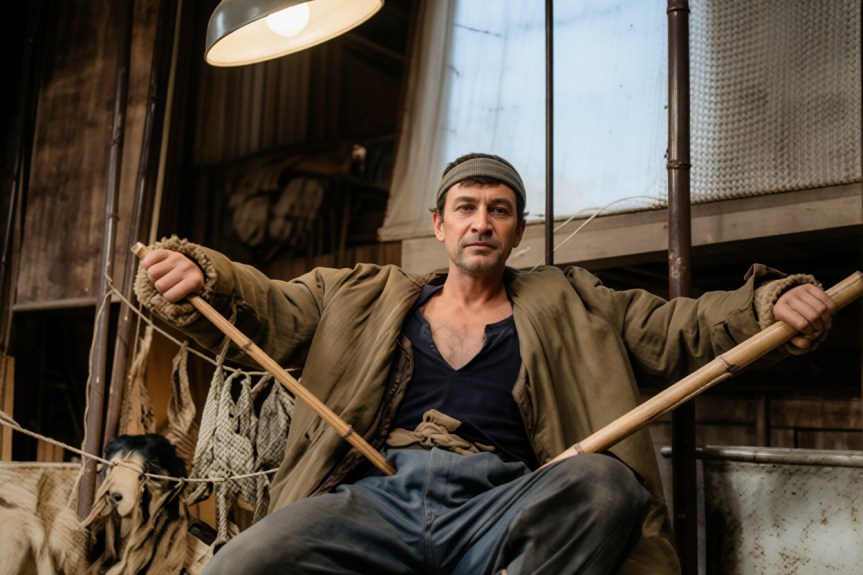
Peter as Yang-Sun – an unemployed pilot

In Retrospect

BLOG3

Critics Comments

REVIEW: The Way of the World

A.K.A.: ‘Voices Of Man’

Broadcast: Monday, 13th January 1964 (WOR-TV Channel 9 – USA)

Character: Edward Mirabelle/Himself

Rehearsals took place from Monday, 14th October to Thursday, 24th October, 1964. A full dress rehearsal for all actors was held on Friday, 25th October.

The Esso World Theatre was a showcase of what was considered to be the best of British theatre, which was premiered on WOR-TV (Channel 9) in the United States on Tuesday, January 13th, 1959.

The Standard Oil Company (Esso) – much the most artistically adventurous of all the sponsors, were given the opportunity to offer some of London’s top players a chance to illustrate what was colourfully described by the Washington Post as: “The Puritan and Cavalier’ threads running through British culture.”

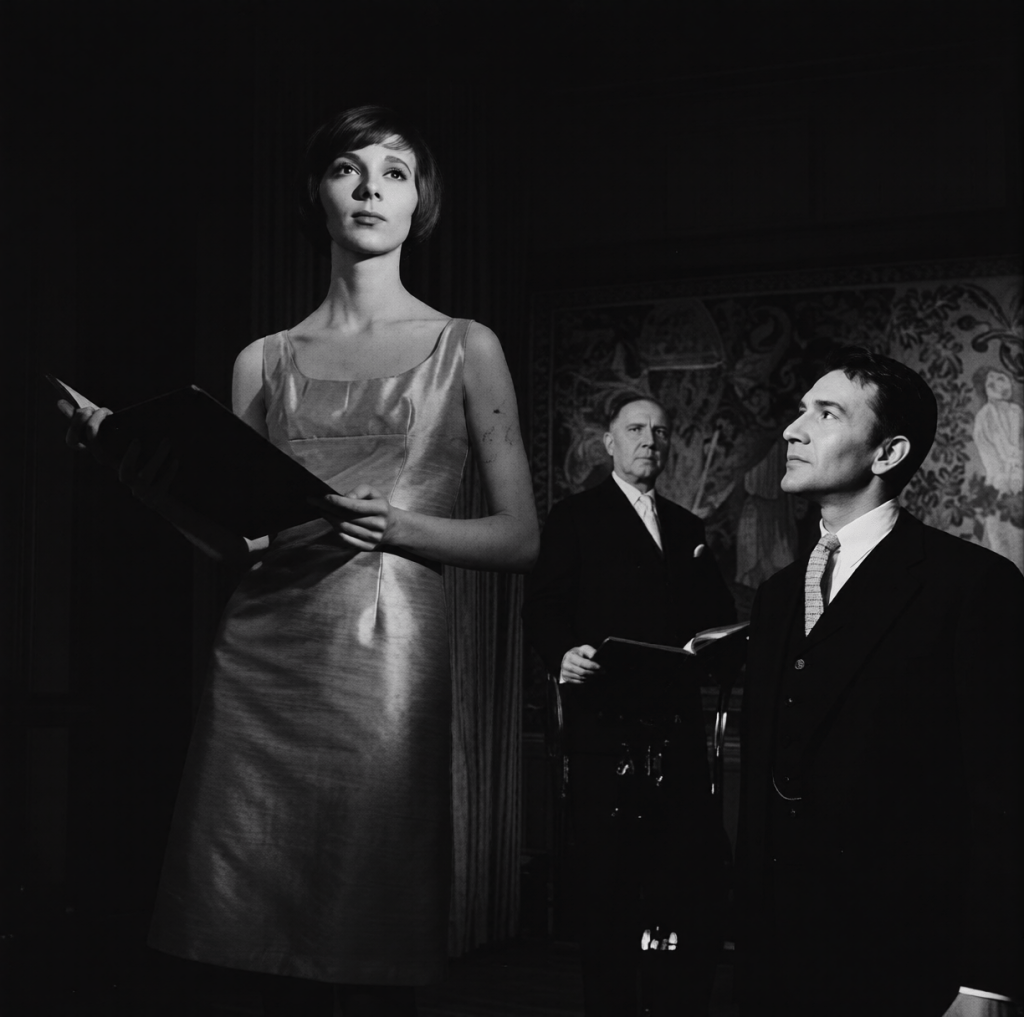
Below Right: Peter with Anna Massey and, (background), Sir Ralph Richardson

With Sir Ralph Richardson acting as a guide through the ages, and a company consisting on none other than Peter Wyngarde, Anna Massey, Angela Baddeley, and Paul Rogers, the excursion through the pages of British literature proved, it seemed, to be an “unreserved joy”, as the New York Times described it; “A feast for the viewer hungering for exiting words spoken with the precision and eloquence that are the traditions of the British stage.”

ITC fans will doubtless be familiar with director Cyril Frankel, who was personally chosen by Producer, Bert Lawrence, to take charge of the project, and in doing so, succeeded in avoiding even the slightest trace of hackneyed staging, and displaying an enthralling diversity of visual concepts which ranged from readings on a park bench, to comedy in an empty room, to an off-screen rendition of Shakespeare – illustrated by a camera scanning the interior walls of Westminster Abbey.

In order to present a suitable opening, Angela Baddeley kicked-off the proceedings by reading an in presentation of Geoffrey Chaucer’s ‘The Wife of Bath Tale’, which was filmed in a field of wild horses. ‘Paradise Lost’ brought together Sir Ralph Richardson and Anna Massey, followed by excerpts from Robert Herrick, John Bunyon and John Dunne.

But the highlight of the evening was undoubtedly a scene from ‘The Way of the World’, which was performed by Peter in the role of Mirabelle, with Anna Massey as Millamant.

Bringing the hour to a close was a contemporary example of the theme of ‘Puritan versus the Cavalier ‘. From a bench in London’s Hyde Park, Peter Wyngarde and Paul Rodgers recited an extract from ‘One Warm Sunday’, taken from ‘Portrait Of And Artist As a Young Dog’, by Dylan Thomas.

Brief Synopsis

Running Order

  • ‘Puritan Versus Cavalier’: A short play-within-a-paly set in York. The drama being performed is of God (Peter Wyngarde) conversing with Noah (Ralph Richardson) and his wife (Anna Massey). The Wakefield Mystery Plays – edited by Martial Rose, Doubleday & Co. Inc., Garden City, New York, 1962.
  • The 2nd Section is set at York Minster, with Richardson as Satan, Anna Massey as Eve, with Peter Wyngarde narrating.
  • Next, a prologue from Geoffrey Chaucer’s, ‘The Wife of Bath’ – read by Ralph Richardson.
  • There are then readings of a selection of poems which were illustrated on screen by drawings from ‘The Pilgrims Progress’. This was then followed by a short intermission, after which was a reading of ‘One Warm Saturday’ – a short story by Dylan Thomas.
  • There then follows a short play featuring Peter Wyngarde as Mirabelle and Anna Massey as Mrs. Millamant.
  • Next, a reading by Ralph Richardson under the title, ‘Jeremy Collier’ – with the voices of Peter Wyngarde, Anna Massey and Paul Rogers.
  • After the tolling of the bell at York Minster, Richardson recites from T.S. Elliot’s ‘Choruses From The Rock’

Critics Comments

 “The hilarious subtlety of the humour and the high style of the occasion were perfectly realised in the superb playing achieved under the inspired guidance of Cyril Frankel. Mr Peter Wyngarde was completely captivating in the brilliance of his characterisation.” The New York Times – January 14th, 1964.

ESSO-2

N.B. The production also featured actors from the York Festival Theatre Company.

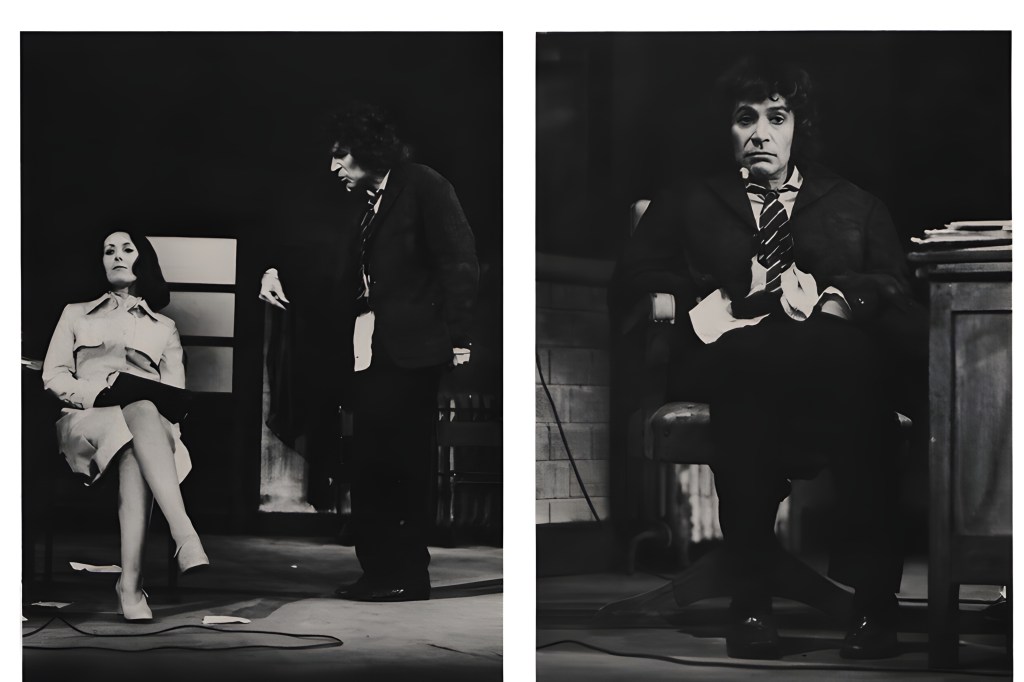
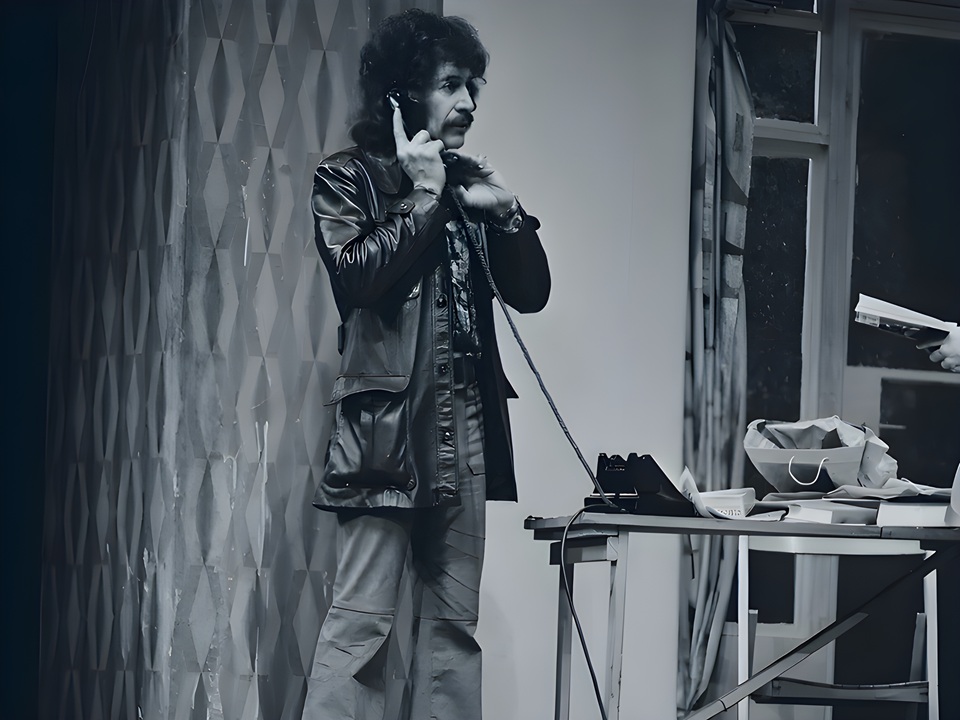
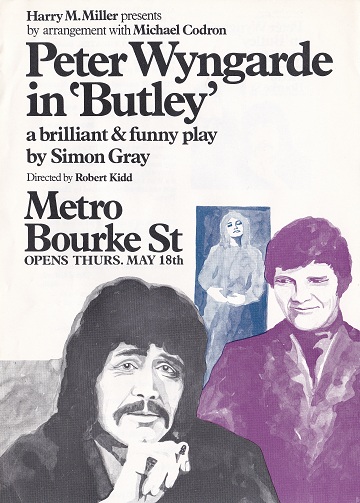
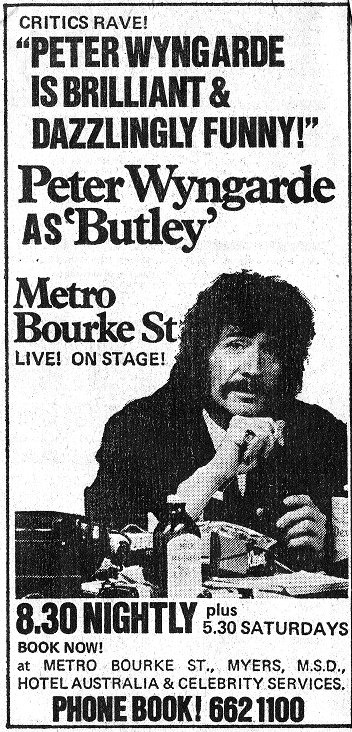
REVIEW: Butley

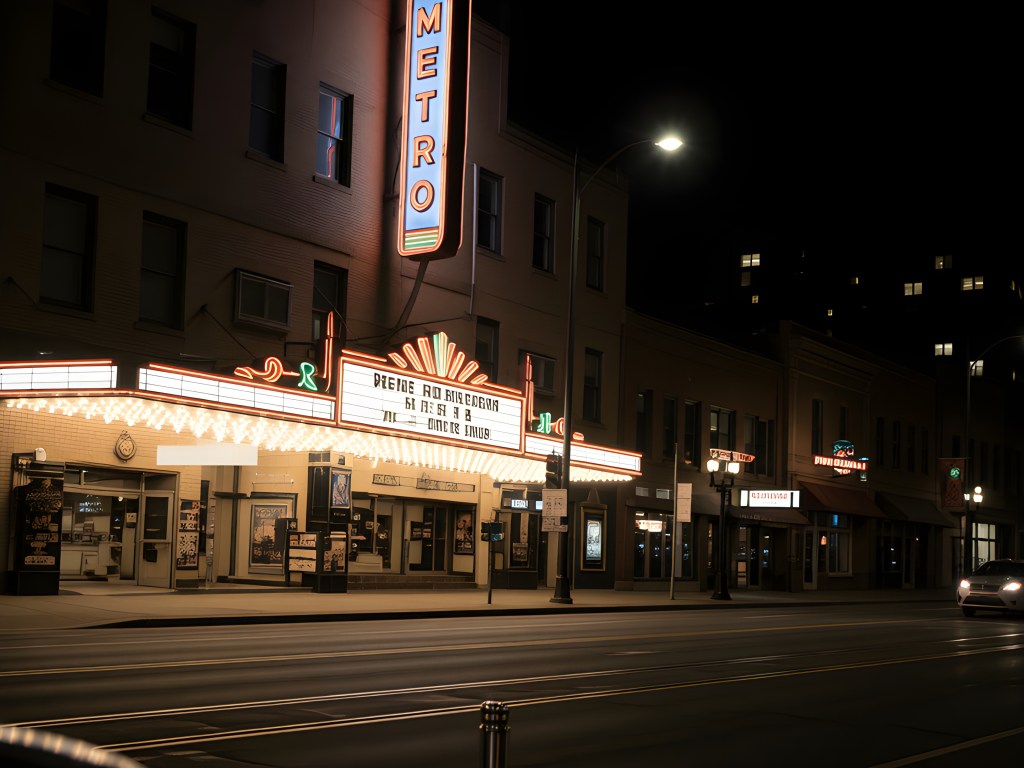
Presented by Harry H. Miller Productions at the Metro Bourke Street Theatre, Melbourne, Australia. May 1972

Character: Ben Butley

Above: Peter as Ben Butley

Some Background

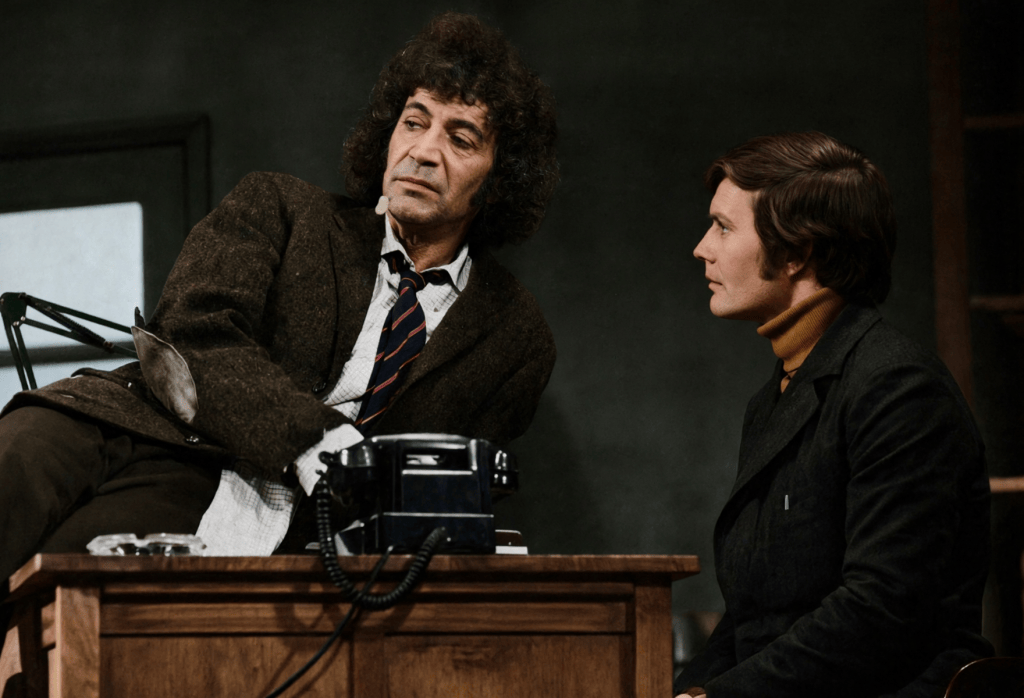
When ‘Butley’ began its run in Melbourne, Australia, it was already enjoying great success thousands of miles away in London, and believed by many critics to be one of the most brilliant pieces of contemporary writing ever to hit the commercial stage. The entertaining skill of its author – Hampshire-born, Simon Gray – had already been recognized with a London Evening Standard Drama Award, and public response had confirmed the enthusiasm with which the critics had greeted it. For anyone who has never had the opportunity to see ‘Butley’ (Alan Bates took the lead role in the 1973 American Film Theatre Production), the only way to describe it is a bitingly funny observation of a very credible situation involving difficult and often abrasive human relationships.

The play, which is set in an office of the University of London, centres around the exploits of one Ben Butley – a lecturer and alcoholic – who succeeds in insulting just about anyone unfortunate enough to cross his path. Harry H. Miller, head of the theatre production company which staged the play at the Metro Theatre in Melbourne said at the time that he felt they were fortunate to have been able to secure Peter’s services in the lead role. “His television series have made him internationally popular, “ he said, “and anyone fortunate enough to have seen him perform in the theatre abroad will have no doubt of his gifts as a stage actor. My determination to cast him in a production of mine began when I met him during a brief visit he made to Australia little more than a year ago, and I am happy that the opportunity has occurred with this production of Butley.” In the play, Peter played a cantankerous man who shares both his office and flat with Joseph, his former star pupil, who is now a teacher himself.

The Story

BUTLEY2
BUTLEY1

Critics Comments

REVIEW: The Enchanted

Presented by the London Arts Theatre Committee Ltd. at The Arts Theatre, London: April 1954.

Character: A Young Man/The Ghost

The Story

Act I:

  • A wood near a lake, in provincial France; early May

Act II:

  • The edge of the lake; June

Act III:

  • Isabel’s room; the next day

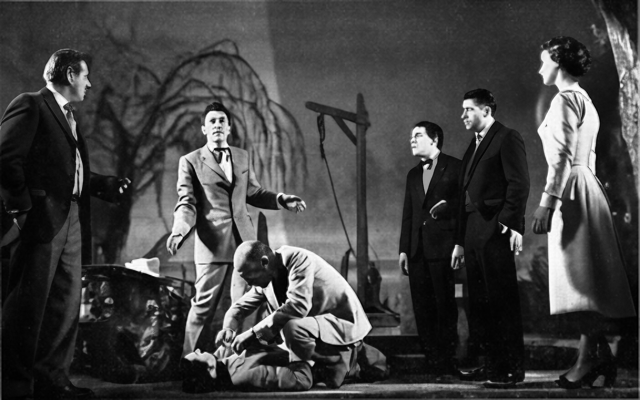
Above: Peter (Centre, standing) as A Young Man/Ghost

If you believe in ghosts and the after-life, then this charming play would have delighted you, I’m sure. But even if you don’t, chances are, you’d have been every bit as enchanted as the characters were said to have been. No doubt Jean Giraudoux’s ‘Intermezzo’, which was admirably translated by Maurice Valency as ‘The Enchanted’, wrote the piece for an audience who were much more sceptical and fatalistically indifferent to the matters of life and death than we are today.

But it was full of charm, wit, philosophy, satire and whimsical inventiveness than the listener who, according to the authors theories, were much more important than the beholder, were compelled into his world and there held spellbound and persuaded to believe. The tale begins by establishing that life within a small town in provincial France has never been quite the same since the report of a the untimely death of a young man by drowning which, in turn, has spawned stories of a ghostly apparition close to a local lake.

Happiness has at last descended upon the town! And further still, chance has discovered for once a sense of fair play; in a local lottery, the cash prize has gone to the neediest couple instead of the richest, while the consolation prize of a motorcycle has been won, for the first time, by a young man instead of the Mother Superior of the convent! However, the authorities in Paris, horrified at this “subversion of the natural order”, send down an Inspector, who is the very embodiment of good sense, and armed with reason and regulations, is to report on these alarming manifestations and cosmic radicalism. He sets about trying to persuade the local committee – the dim-witted Mayor, the somewhat philosophical Doctor, and the Supervisor of Weights and Measures – that in fact there is no ghost, and that a young woman by the name of Isabel, who claims to be in touch with it, is nothing but a wicked influence.

The second clause is easier to prove, since Isabel is standing in for the local schoolmistress, and the flock of little girls who accompany her are soon to be in a dangerous frame of mind. Less easy to prove, however, is the non-existence of the ghost and the Inspector, who has found himself attracted to the beautiful, but other-worldly teacher, has to fall back on trying to exorcise the spectre instead. When it is rumoured that Isabel is to meet with the spectre by the lakeside to learn from him, she hopes, the true meaning of life and death, the members of the Committee solemnly congregate in a nearby wood to spy on her. It soon becomes apparent that she is in love with the ghostly young man, but little known to her, the Inspector has hired two doleful assassins to test whether or not the spirit is for real. When the ghost finally materializes, the somewhat poetic image is instantaneously shattered by the sound of bullets ripping from the executioners revolvers: the “ghost” was indeed merely flesh and blood, and falls dead into the distraught school teacher’s arms. Yet no sooner has the young man paid the ultimate penalty for his dishonesty, that his spirit rises to confound the inspector and his henchmen. The story concludes when, the following day, the ghost visits Isabel in her room, where he begs her to join him on the “other side”.

A bizarre scene of rivalry between the spirit and the Government Inspector ensues, and the rest of the townsfolk are enlisted to combine their efforts to help save the young teacher from stepping through the door which Death has left so invitingly open. In retrospect: To quote Jean Giraudoux himself, the effect of the ‘The Enchanted’ was to leave its audience “bewitched, bothered and bewildered”. Bothered? A great deal. Bewildered? A little. But bewitched? Entirely! What bothers me, however, is how to get the extraordinary mixture of fantasy, realism, philosophy, occultism, satire, poetry, and good old-fashioned French logic into any kind of description that might convey something of its atmosphere.

What bewilders me is the multiplicity of things that it had to say. What bewitched me is Giraudoux himself, and his astonishing faculty for being absurd and profound, satirical and moving, all at the same time! Who but he could conduct a serious discussion on life and death, by the way of a mock-solemn story of a French multiplicity scandalized by the discovery of a well-authenticated ghost in their midst? Who else could hold an audience rapt over a scene in which a pompous Government official develops the theme that if one ghost is allowed, then all the myriads of dead will come thronging back to life to disturb the political stability of the entire country? But I should not indulge too much in continuing a description of the play, for inevitably a prose outline would only serve to destroy the magic and, anyhow, it could give no idea of the ingenious invention and charming fancy which was built up right from its beginning. However, it was pleasing to read that John Fernald received the accolades that he so richly deserved, as a play of this kind tends to make considerable demands on a producer. There is first an unusual amount of tricky stage management which, I understand, was triumphantly achieved at the Arts Theatre. The great climax, for instance, where Peter as the ghost, makes his final bid for Isabel; she is “out”, but still revivable, and the entire cast combine with the tin-pot town band outside to get through her unconsciousness in a concerted cacophony of sound from the living world to draw her back. The scene was absolutely superb, and was brilliantly handled by all concerned.

No less difficult for the producer was to strike the widest range of notes that the play needed and yet sustain the prevailing mood of fantasy which held it together. Under Robert A. Batty’s expert direction, this occasionally slow-moving production, in which grouping, lighting and atmospheric off-stage sounds were made all the more spell-binding in no small part by Peter’s stylish and imaginative portrayal of the young man/ghost. His handling of the part successfully suggested ghostliness without obviously straining for the macabre. Of course ‘The Enchanted’ was outrageous nonsense; it was absurd to think that the officials of a provincial French town might be concerned by the alleged activities of a local ghost or for them to hire two assassins to shoot the apparition in order to prove to both the citizens and themselves, that he was in fact flesh and blood!

However, as the almost poetic exchanges between Peter as the ghost and Valerie Hanson as the infatuated schoolmistress never allowed the audience to pick holes in it. It was so surely and beautifully shaped, with masterly dramatic sense and high levels of imagination, that even its long-drawn-out wordiness and irrelevant stuffing’s were readily forgiven at the interplay of shadow and scintillation, and at the fundamental searching’s for the mystery of itself. It is obvious the author meant his play to be seen as a huge and elaborate joke, and in doing so, to be pondered on many different levels. The thing now becomes a philosophical speculation argued with impeccable logic; now it is a piece of extravagant satire at the expense of the town officials. Again, there is a kind of poetic evocation of the atmosphere which is traditionally kind to theatrical phantoms, with a witty and charming interpretation of the innocence of the schoolmistress; a wonderfully burlesque view of provincial organizations and of all the sights and sounds of life calculated to rescue a human being from the clinging hands of death.

Critics Comments

AWARDS and NOMINATIONS

Award Nominations

Additional Awards

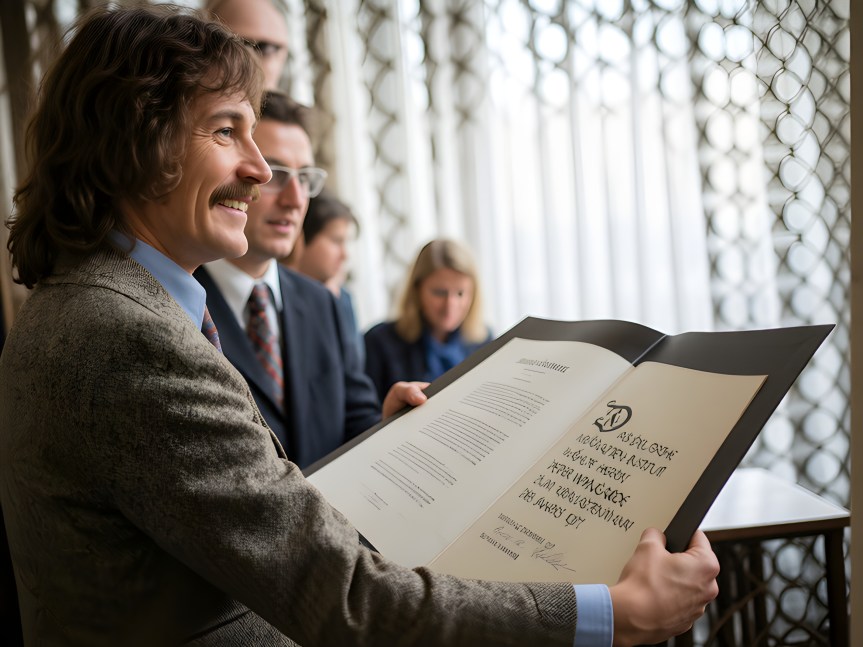
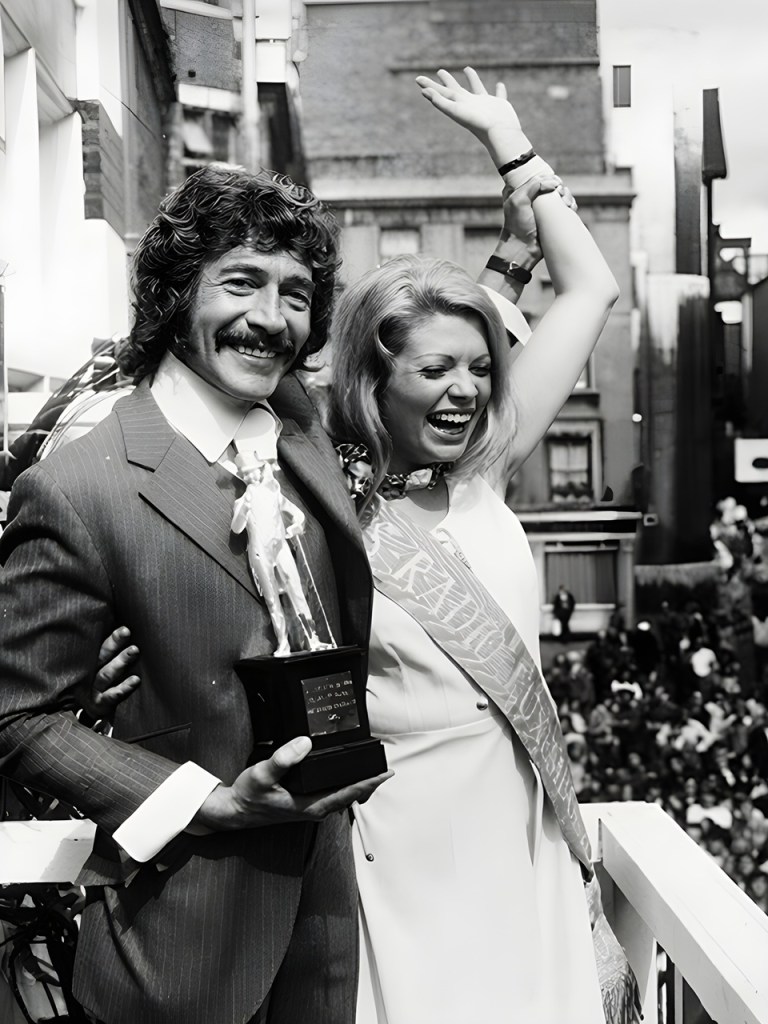
Above: Peter receiving the award on 14th November, 1971. See the certificate here.

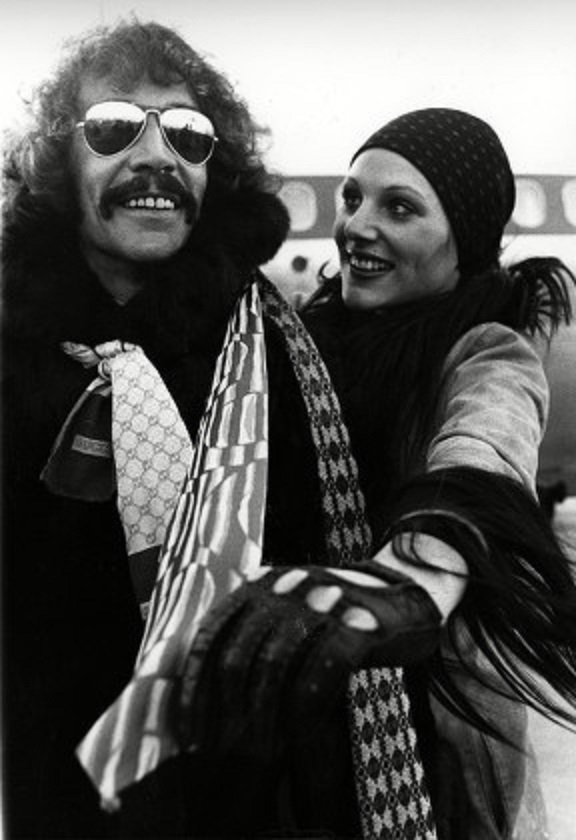
Above: From a shoot organised by the publishers of Petticoat magazine.

Film Awards

The Innocents:

1961

  • National Board of Review, USA
  • Awarded (NBR Award): Best Director – Jack Clayton

1962

BAFTA

  • Awarded: Best Film from any Source
  • Nominated: Best British Film

Cannes Film Festival

  • Nominated (Palme d’Or): Jack Clayton

Directors Guild of America

  • Nominated: Outstanding Directorial Achievement in Motion Pictures
  • Awarded (DGA Award): Jack Clayton

Edgar Allan Poe Awards

  • Awarded: Best Motion Picture
  • Best Script: Truman Capote and William Archbald

Writers Guild of America

  • Nominated: Best Written American Drama: Truman Capote and William Archbald.
  • ‘The Most Frightening British Horror Film Ever Made’,

Night Of The Eagle/Burn, Witch, Burn

1981