



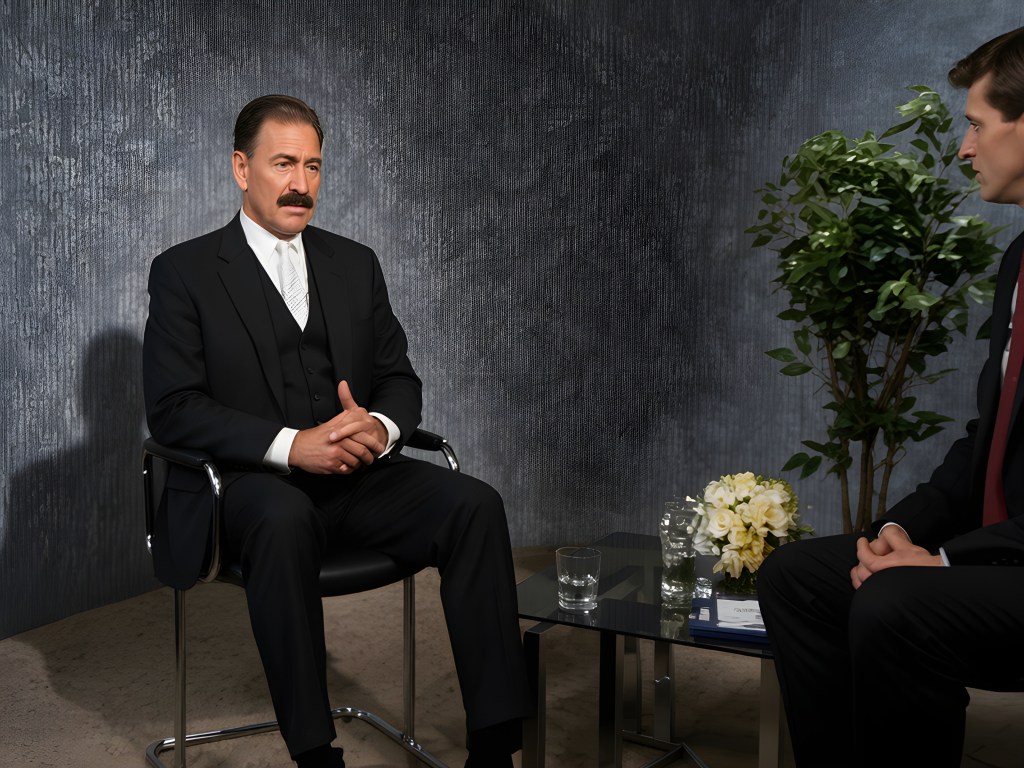
Tank Malling represents a significant yet underappreciated entry within the British thriller canon of the late 1980s, having largely escaped the attention of mainstream cinema scholarship. Helmed by director James Marcus and featuring an ensemble cast comprising Ray Winstone, Amanda Donohoe, Jason Connery, and Peter Wyngarde, the film constructs a bleak narrative landscape encompassing corruption, vice, political duplicity, and homicide concealed beneath the veneer of respectable society. Following its 1989 theatrical release and subsequent re-editing for reissue under the alternative title Beyond Soho, the work exemplifies the preoccupations of its era, capitalizing upon contemporary public concern regarding institutional corruption and the misuse of authority. Notwithstanding certain structural limitations, the film demonstrates considerable stylistic vigour and atmospheric resonance that warrant critical reconsideration.
The narrative framework centres upon investigative journalist John “Tank” Malling, portrayed by Ray Winstone. Tank functions as an intrepid reporter committed to confronting entrenched power structures and exposing malfeasance in all its manifestations. His investigative endeavours precipitate direct conflict with influential actors determined to maintain the confidentiality of their illicit activities. As the narrative progresses, the film delineates an extensive criminal apparatus extending from London’s urban periphery into the upper echelons of political authority. The ensuing narrative trajectory constitutes a violent thriller characterised by coercion, treachery, and retribution.
Among the film’s most compelling attributes is its atmospheric construction. The London depicted in Tank Malling functions as a forbidding and perilous environment, inhabited by criminal elements, compromised bureaucrats, sex workers, and self-interested actors. Aesthetic refinement remains conspicuously absent. Rather, the film presents an urban milieu suffused with menace and ethical deterioration. The production’s constrained budgetary parameters occasionally manifest visually; however, this limitation paradoxically reinforces the work’s verisimilitude. The depicted locations possess an authentic quality rather than appearing artificially constructed, thereby conferring upon the film a raw textural quality consonant with its thematic substance.
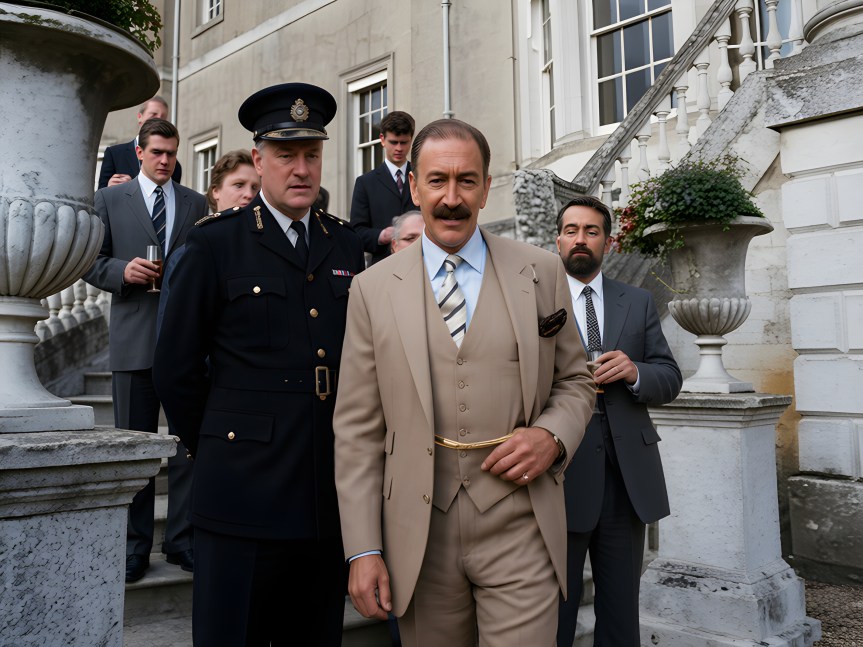
Ray Winstone demonstrates considerable capability as a principal performer. Although 1989 preceded his emergence as one of Britain’s most recognizable screen antagonists by several years, the fundamental characteristics that would subsequently characterise his professional trajectory are already discernible. His portrayal merges physical robustness with a measure of emotional fragility that ensures Tank remains a multifaceted action protagonist rather than a simplistic archetype. Winstone’s inherent charisma sustains substantial portions of the film, particularly throughout sequences of lesser technical refinement.
Amanda Donohoe similarly delivers a compelling portrayal in her role as Helen Searle. This character possessed the potential to devolve into a conventional thriller protagonist; however, Donohoe imbues Helen with acuity and resolve. The interpersonal dynamic between Winstone and Donohoe maintains viewer engagement throughout the narrative arc and establishes an emotional foundation amid the pervasive violence and complexity.
For Wyngarde enthusiasts, Tank Malling presents a particularly noteworthy occasion to observe him in one of his concluding cinematic appearances. Peter assumes the role of Sir Robert Knight, an individual of standing and authority whose external reputation conceals a considerably more sinister dimension. This characterization capitalises upon numerous attributes that rendered Peter such a captivating screen performer throughout his professional tenure. His distinctive vocal quality, authoritative demeanour, and capacity to convey command are all utilized with considerable effectiveness.
What merits particular attention is the substantial distinction between Sir Robert Knight and the ostentatious Jason King persona for which Peter is predominantly recognised. Occasional glimpses of his magnetism emerge, yet this constitutes a more austere, strategically calculated portrayal. Peter communicates menace not through conspicuous displays of wickedness but via composed assurance and self-possession. He recognises that genuinely formidable adversaries seldom require vocal amplification. This performance exemplifies that Peter possessed considerably greater thespian versatility than numerous audiences acknowledged.
Jason Connery delivers a compelling performance as Dunboyne, Sir Robert’s unscrupulous legal representative and operative. Collectively, Peter and Jason Connery establish a credible hierarchical framework, embodying the nexus between governmental authority and organised criminal activity that constitutes the narrative’s fundamental premise. Their collaborative sequences substantially reinforce the pervasive sense of peril and intrigue.

The screenplay demonstrates considerable ambition, potentially exceeding the film’s budgetary and technical capabilities. It endeavours to synthesise criminal thriller conventions with governmental examination and institutional critique. Periodically the narrative structure becomes unnecessarily complicated, and certain figures lack comprehensive characterization. Specific plot progressions additionally depend upon theatrical coincidence. Notwithstanding these limitations, the film’s dedication to its central concepts merits commendation. It illustrates how corruption prospers beneath venerable exteriors, an enduring societal concern.
Regarding technical execution, Tank Malling manifests the capabilities and constraints characteristic of numerous autonomous British cinematic ventures from that era. The visual cinematography skillfully documents London’s shadowed districts, whereas the editorial approach sustains consistent momentum. The musical composition, created by Rick Fenn of 10cc and Nick Mason of Pink Floyd, warrants particular recognition. It substantially enhances the film’s emotional resonance and cultivates an environment of suspense and disquiet.
The film’s deficiencies warrant acknowledgment. Certain members of the supporting ensemble deliver inconsistent performances, and particular action sequences demonstrate a lack of refinement that a more substantial budget could have ameliorated. Additionally, there are instances wherein the screenplay becomes excessively expositional in nature. Contemporary viewers familiar with polished modern thrillers may perceive portions of the production as anachronistic. Nevertheless, these limitations do not entirely diminish the picture’s capacity to entertain.
What renders Tank Malling noteworthy is fundamentally its authenticity. In contrast to numerous unmemorable thrillers, it demonstrates genuine artistic commitment. The creative team evidently endeavoured to construct a forceful narrative examining power, corruption, and accountability. Although they do not invariably accomplish all their intended objectives, their aspirations confer upon the film a singular identity.
Considered within contemporary context, Tank Malling functions simultaneously as a thriller and as an illuminating historical document of British cinema during the late 1980s. It encapsulates a distinctive aesthetic and sensibility that has become progressively uncommon in present-day filmmaking. For devotees of Ray Winstone, it constitutes an early demonstration of an exceptional performer. For admirers of Peter Wyngarde, it furnishes additional testament to his proficiency in portraying intricate and commanding roles substantially distinct from Jason King. Principally, it represents a film meriting recognition not as an obscure artifact but as a flawed yet absorbing thriller retaining considerable merit for those inclined to pursue it. In summation, Tank Malling may not constitute a masterwork, yet it endures as a stimulating and valuable contribution to British genre cinema.


